By Kayla Matthews
Lawmakers in Ontario, Canada, recently ushered in a host of alcohol-related changes that will soon take effect in the province. The news caused contrasting feedback — specifically about job creation or job loss. Retail Council of Canada says that expanding the sale of beer and wine to corner stores, box stores, and additional grocery stores will create 9,100 new jobs, and a $3.5 billion dollar increase in GDP. The data in the RCC report counters recent statements by The Beer Store which stated that opening the market would mean a job loss of 7,000 full and part-time staff currently employed by The Beer Store.
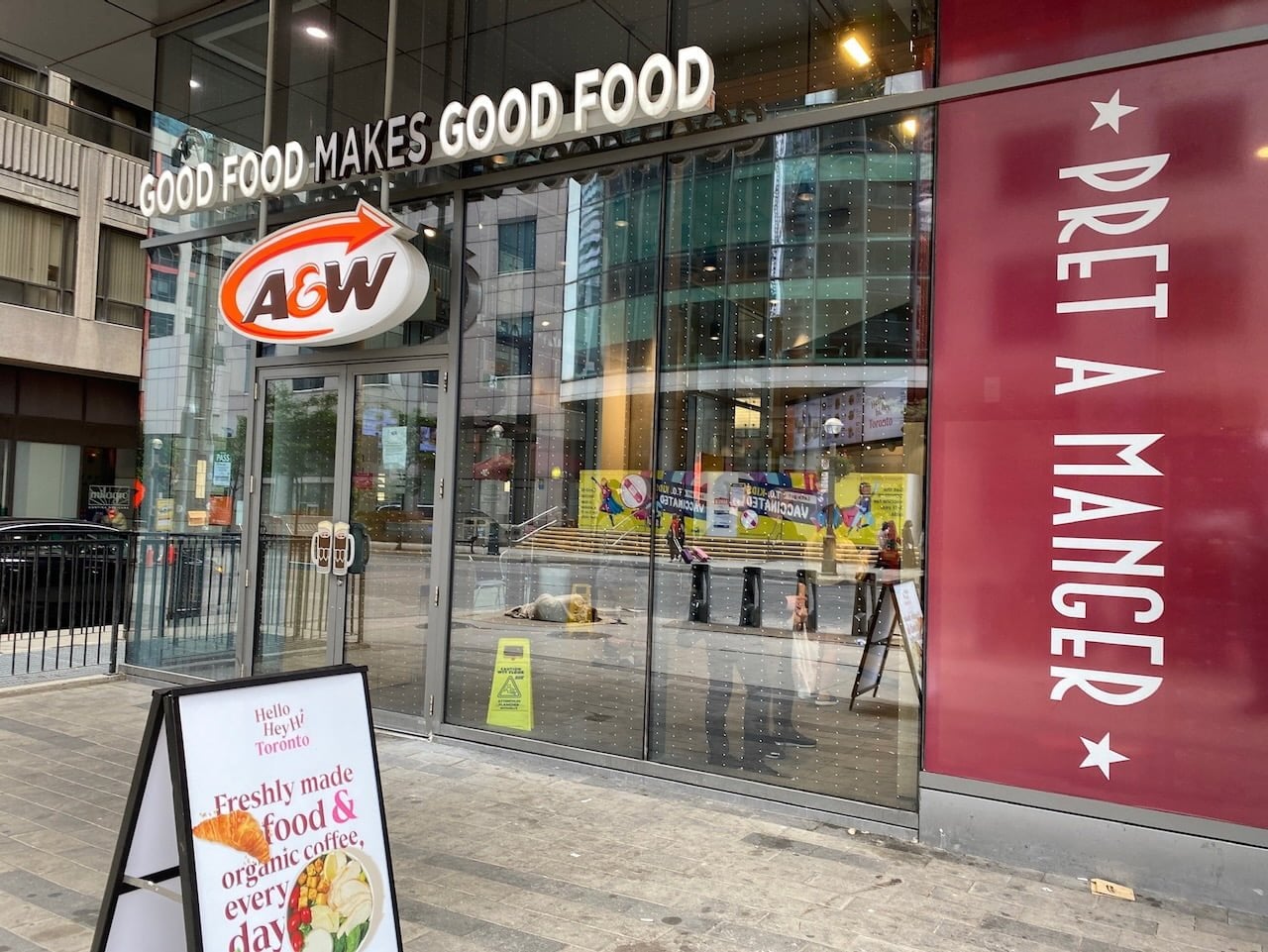
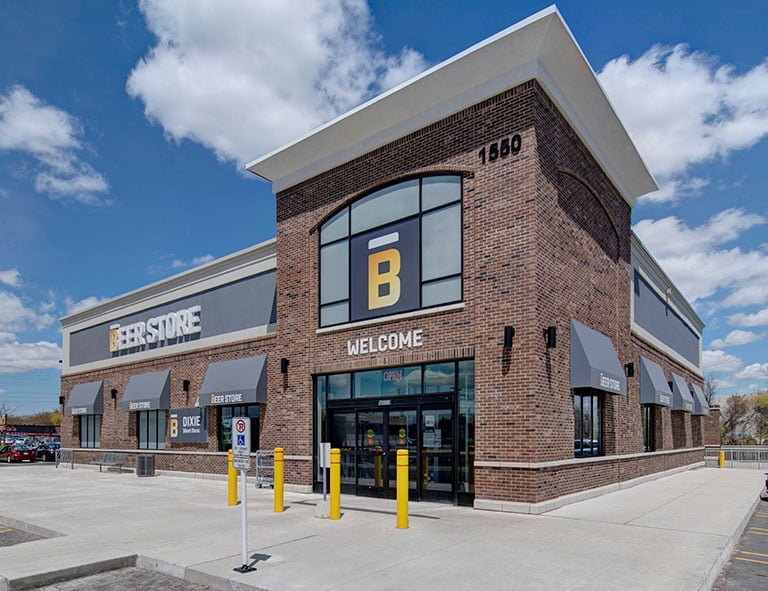
The new rules allow selling alcohol in convenience stores and big-box stores, plus more grocery stores. One person who’s not happy about the development is Charlie Angelakos. He’s the chairperson of The Beer Store, a retailer with more than 450 locations.
Angelakos asserts that allowing the sale of alcohol in more locations throughout Ontario will risk the jobs of The Beer Store’s 7,000 employees in the province. He clarifies that being more liberal with beer sales will hurt The Beer Store’s low-cost distribution system and “put the viability of The Beer Store’s retail business in question.”
He also mentioned that this change would cause a rise in beer prices. Then, the negative effects spread to consumers instead of only retailers.
Contradictions From the Retail Council of Canada
A report from the Retail Council of Canada (RCC) indicates allowing people to buy alcohol in more locations throughout Ontario will create jobs, not threaten them. The document also calls into question the belief that deregulating the alcohol market triggers a price increase for alcoholic products.
Here’s in-depth coverage of the report, plus more general assessments about how looser alcohol laws could stimulate Ontario’s economy and make contributions to Canada’s gross domestic product (GDP).
A Net Increase of 9,100 Jobs
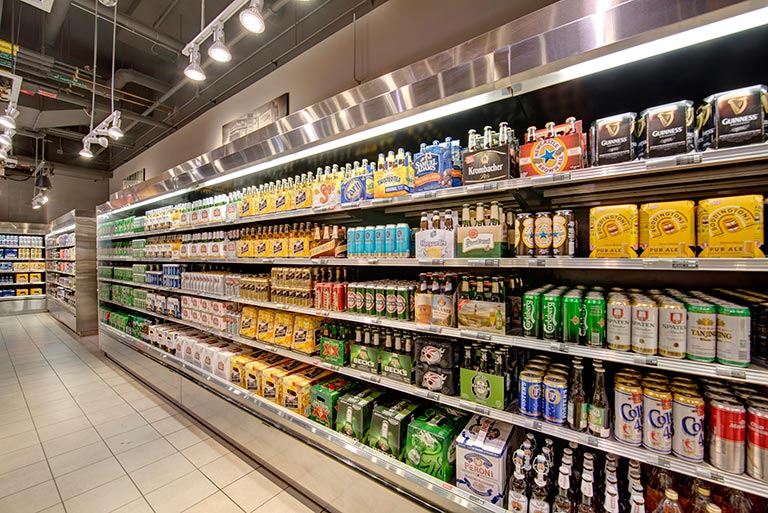
The RCC’s report realizes that the deregulation of alcohol will increase the number of competitors in the marketplace, which could have adverse effects for The Beer Store. However, it confirms it’s improbable that such competition would make The Beer Store close.
The document also explains how alcohol sales would increase employment opportunities in Ontario. More specifically, it discusses that each grocery store licensed to sell alcohol in Ontario would have an increase in labor needs due to adding alcohol-related stock keeping units (SKUs) to its system. More specifically, that change would require an estimated 2.3 more employees in each licensed store.
Additionally, there are currently 2,702 locations in Ontario that can sell alcohol. That number is substantially lower than the national average and puts Ontario in last place compared to all other areas in Canada with alcohol retailers. If Ontario’s retail landscape shifted to match the national average for alcohol locations, it would add 4,028 more establishments where people could buy it. Then, the change would result in a net increase of 9,100 jobs.
The information also points out that any job losses at The Beer Store caused by increased grocery store competition are more than offset. Returning to the statistic about the 7,000 employees at The Beer Store, the RCC’s research still shows a net increase of 2,100 jobs above that number. The RCC report also mentions that the 9,100-job increase relates to all locations that could sell beer, not just grocery stores.
A Boost to the GDP
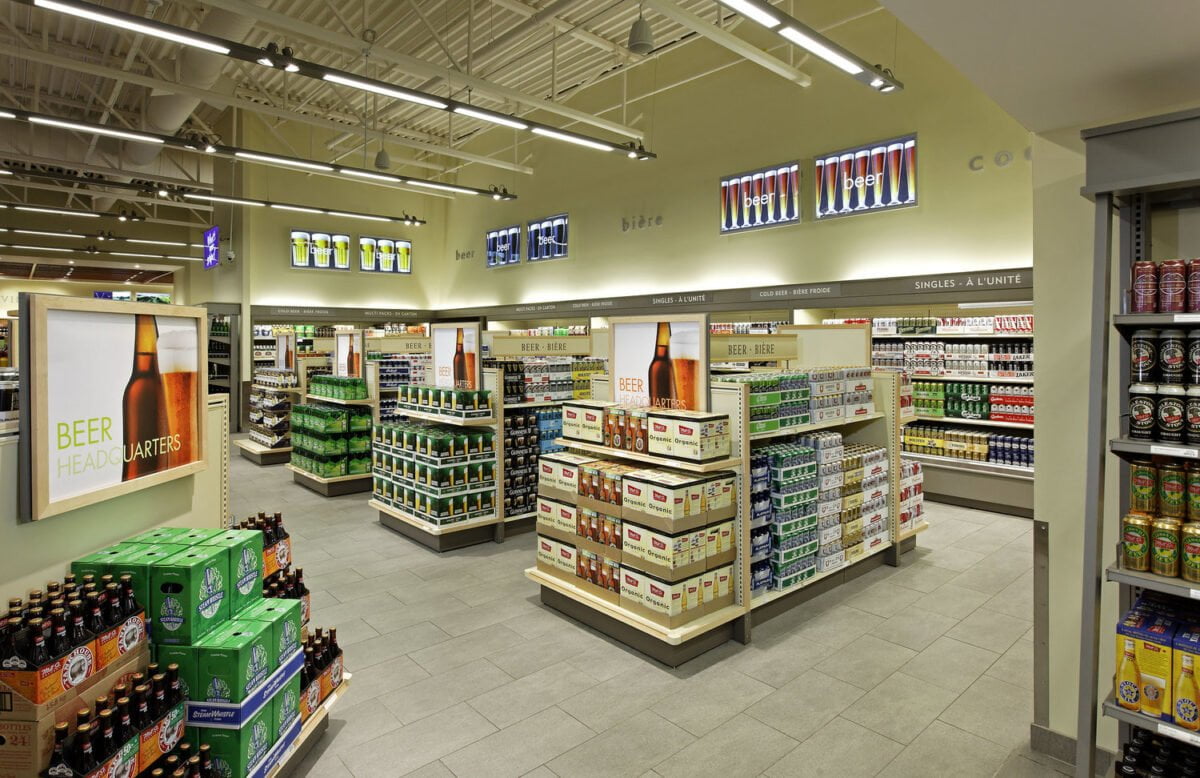
The GDP represents the monetary value of all goods and services produced within a country within a defined period. The RCC report reminds readers that, right now, Ontario has a below-average number of retailers licensed to sell alcohol. Then, it says that if Ontario had a number of authorized alcohol retailers that was closer to Canada’s national average, it would increase the nation’s GDP by an estimated $3.5 billion annually.
It’s also possible that less-restrictive alcohol regulations in Ontario could encourage microbrewers in other Canadian provinces to start selling their beverages there. If so, there will be an overall positive effect on the GDP.
An Increase in Grocery Store Profits
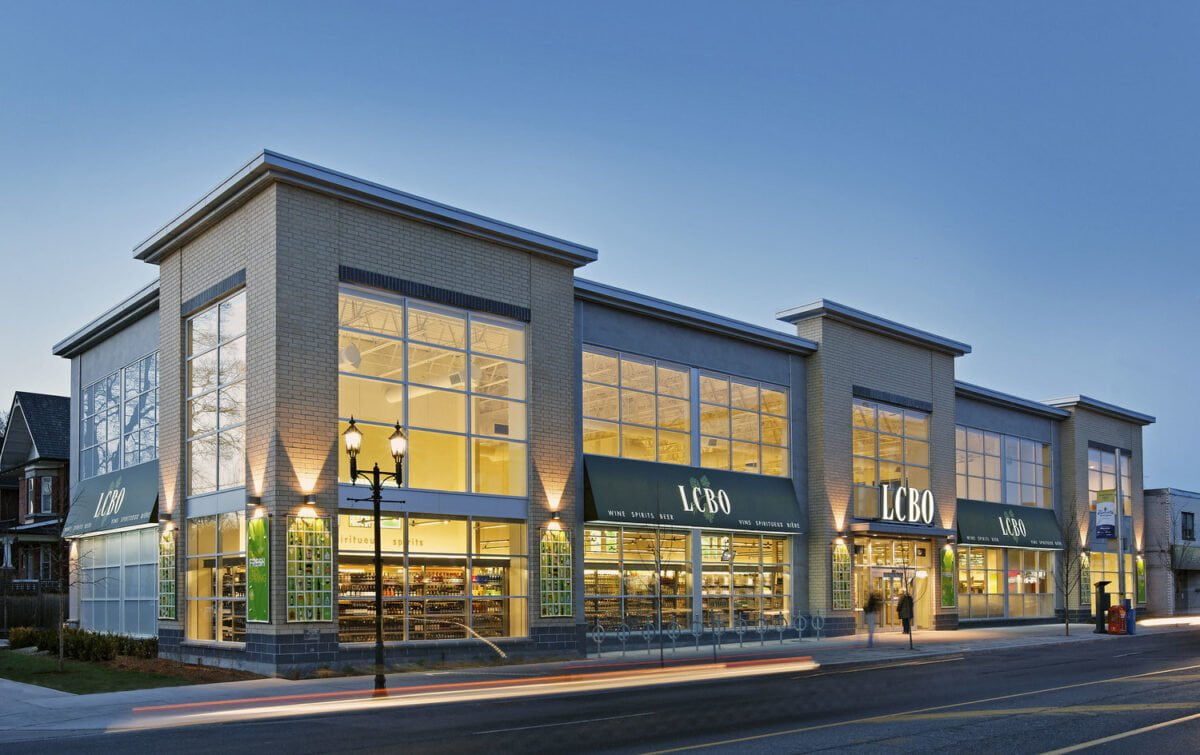
Another part of the RCC report discussed what happened in British Columbia when that province deregulated alcohol sales. It showed that a liquor-licensed grocery store had approximately $880,000 more in sales than stores not able to sell alcohol. That figure gives a non-licensed grocery store a compelling reason to strongly consider getting approved to sell alcohol in Ontario.
It should also give other retailers, such as convenience stores, food for thought as they think about whether to get licensed.
More Choices and Better Prices for Consumers
The previously mentioned statistic about how Ontario has fewer alcohol outlets than other provinces means that people who live in the province or are visiting it don’t have as many choices as others when choosing where they buy alcohol. The RCC report cited that Ontario has 2.4 outlets per 10,000 persons, but the national average is 5.9 outlets. Expanding alcohol sales in Ontario will bring more choices.
And some of those choices span beyond traditional outlets. For example, the new regulations in Ontario allow city and town officials to make local decisions about permitting alcohol consumption in parks. The locations that allow it might see a rise in attendance at outdoor concerts and festivals occurring in parks, since people can buy alcohol there.
Similarly, casinos in Ontario can offer alcohol giveaways for customers and advertise those perks. That’s another example of how these new government decisions could attract more tourists and residents alike.
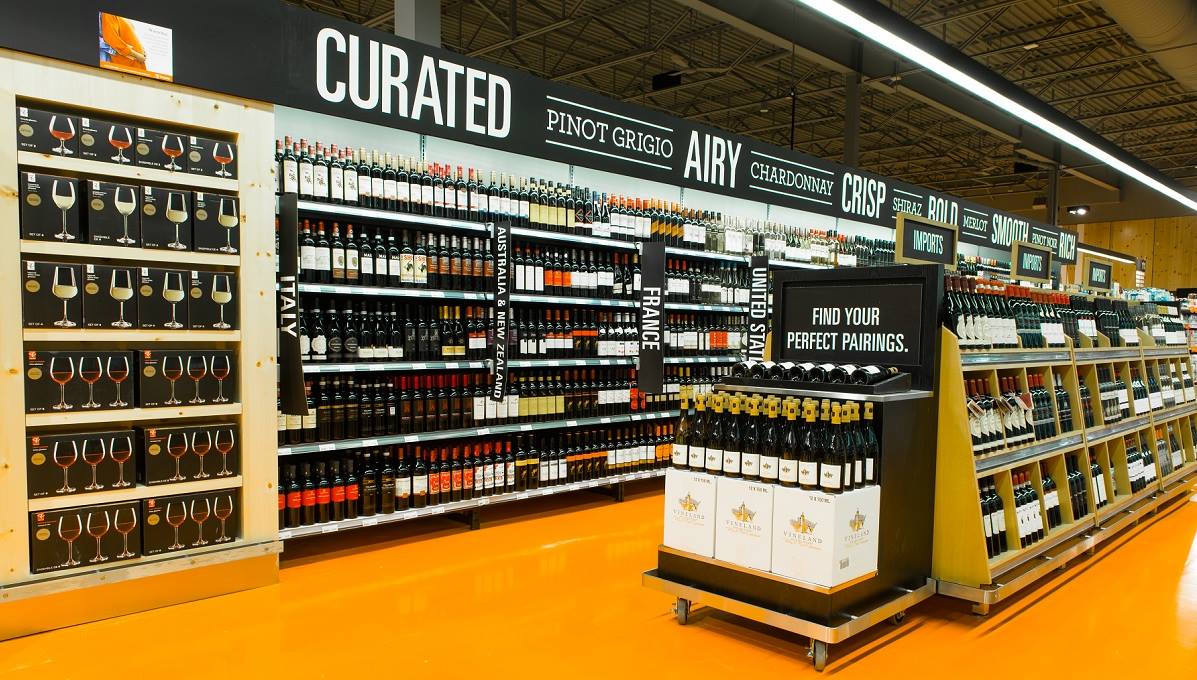
The deregulation also allows licensed establishments to start serving alcohol two hours earlier than usual. That change gives consumers more choice concerning when they drink and could open up the market for more weekend brunches that offer alcohol as beverage options, for example.
The assertion that allowing broader alcohol sales in Ontario will cause price hikes also does not stand up to scrutiny. The RCC report showed that, when taking taxes out of the equation, the current prices of 24-pack beers is 8.3% more expensive in Ontario than the identical products cost in Quebec, which has a deregulated alcohol market.
Good for the Job Market and Positive for Retailers and Consumers
The breakdown of the findings in the RCC report shows that employed people, retailers and consumers need not fear when the new regulations come into effect. They’ll likely bring about numerous advantages.

Kayla Matthews is a researcher, writer and blogger covering topics related to technology, smart gadgets, the future of work and personal productivity. She is the owner and editor of ProductivityTheory.com and ProductivityBytes.com. Previously, Kayla was a senior writer at MakeUseOf and contributing freelancer to Digital Trends. Kayla’s work on smart homes and consumer tech has also been featured on Houzz, Dwell, Inman and Curbed. Additionally, her work has appeared on Quartz, PRNewswire, The Week, The Next Web, Lifehacker, Mashable, The Daily Dot, WIRED and others.