By Mario Toneguzzi
Retail fundamentals in Canada remain strong as vacancy rates reached a record low in key markets and for most property types in the second quarter of this year, according to commercial real estate firm JLL’s .
The report says the Canadian retail market remains robust well into 2019 with the lowest vacancy recorded in four years at 2.3 per cent as net absorption continues to surpass deliveries.
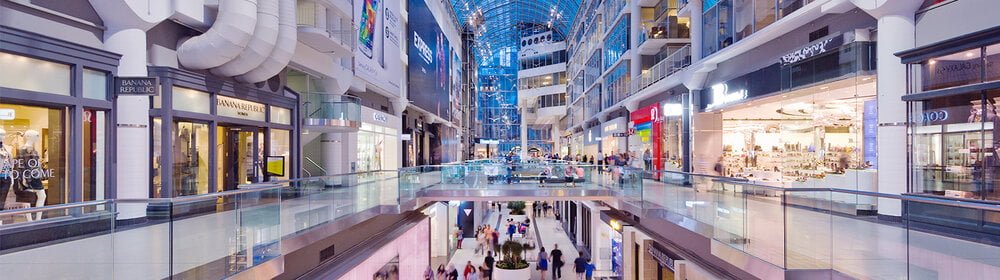
“The average asking rent growth has decelerated from its peak last year but remains positive. General retail reached the highest net absorption in the first half of the year with over 2.2 million square feet, followed by shopping centres with 1.4 million square feet of net absorption year-to-date,” says the report.
“In contrast, malls have seen a slightly negative net absorption and a corresponding marginal increase in vacancy rates. This is particularly prevalent in Western Canada, where landlords are keen on redeveloping retail spaces, repositioning existing tenants or bringing new options to become more competitive in the marketplace.
“Overall retail sales growth in Canada is lower than historic averages but remains robust, growing at 1.9 per cent in the first half of 2019 compared to the same period in 2018. Montreal and Toronto are pulling that average up, however, growing by 6.4 and 4.5 per cent, respectively. The top contributors to sales growth are grocery, beer, wine, and liquor; jewellery, luggage and leather goods; and furniture sales. Cannabis sales have also seen exponential growth in Canada with the recent legalization of its use for recreational purposes.”
JLL described Canada, and in particular, Toronto and Vancouver as being in their “peaking market” category in the real estate cycle. Montreal and Ottawa were in the “rising market” category while Calgary and Edmonton were in “bottoming market” in the cycle.
Of course, the retail industry’s health is predicated on the overall economy.
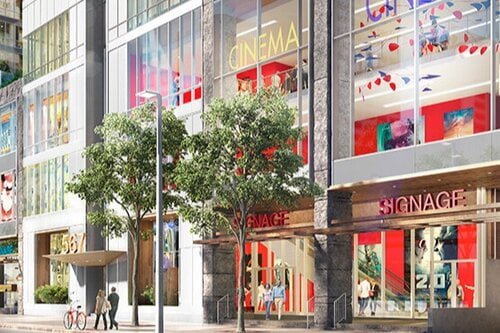
PHOTO: EAU CLAIRE MARKET MALL (CALGARY) 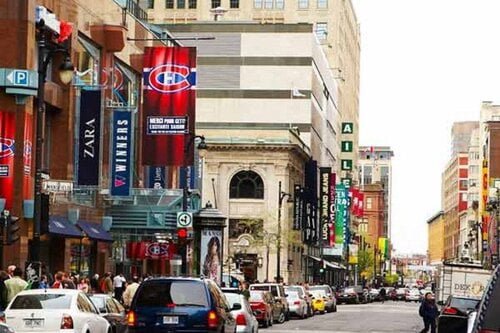
PHOTO: 10BEST (MONTREAL)
“The Canadian economy picked up in the second quarter of this year. Overall, GDP grew at an annualized rate of 3.7 per cent, marking the best performance since 2017. Despite weak consumption and business investments, household disposable income has increased. As global economic conditions become less favourable, the trends Canada is seeing are certainly encouraging,” says the JLL report. “Strong job growth pushed unemployment down to 5.4 per cent this May, the lowest rate in 43 years. Consumer confidence remains above historical average levels and consumer spending has gradually grown each quarter over the past two years.
“Going forward, Canada will confront short and mid-term challenges that may undermine its growth. The challenges include uncertainty surrounding the upcoming federal election, high household debt, slower housing activity, U.S.-China trade tensions, a possible U.S. recession, and moderating global economic growth. However, Canada has rising energy prices, manageable federal finances, and a growing labour population to help abate these threats and challenges. We expect Canada to continue its growth trajectory on par with its historic average.”
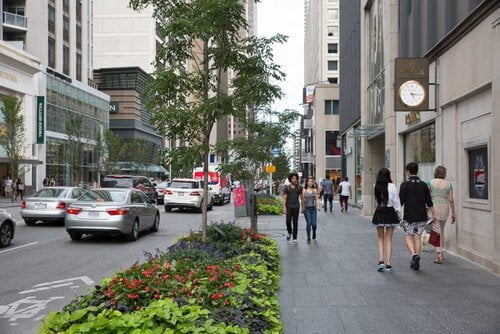
PHOTOS: RETAIL INSIDER (BLOOR-YORKVILLE) 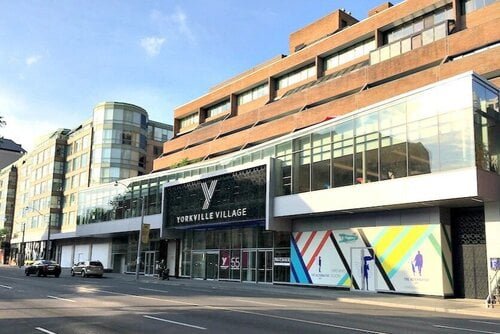
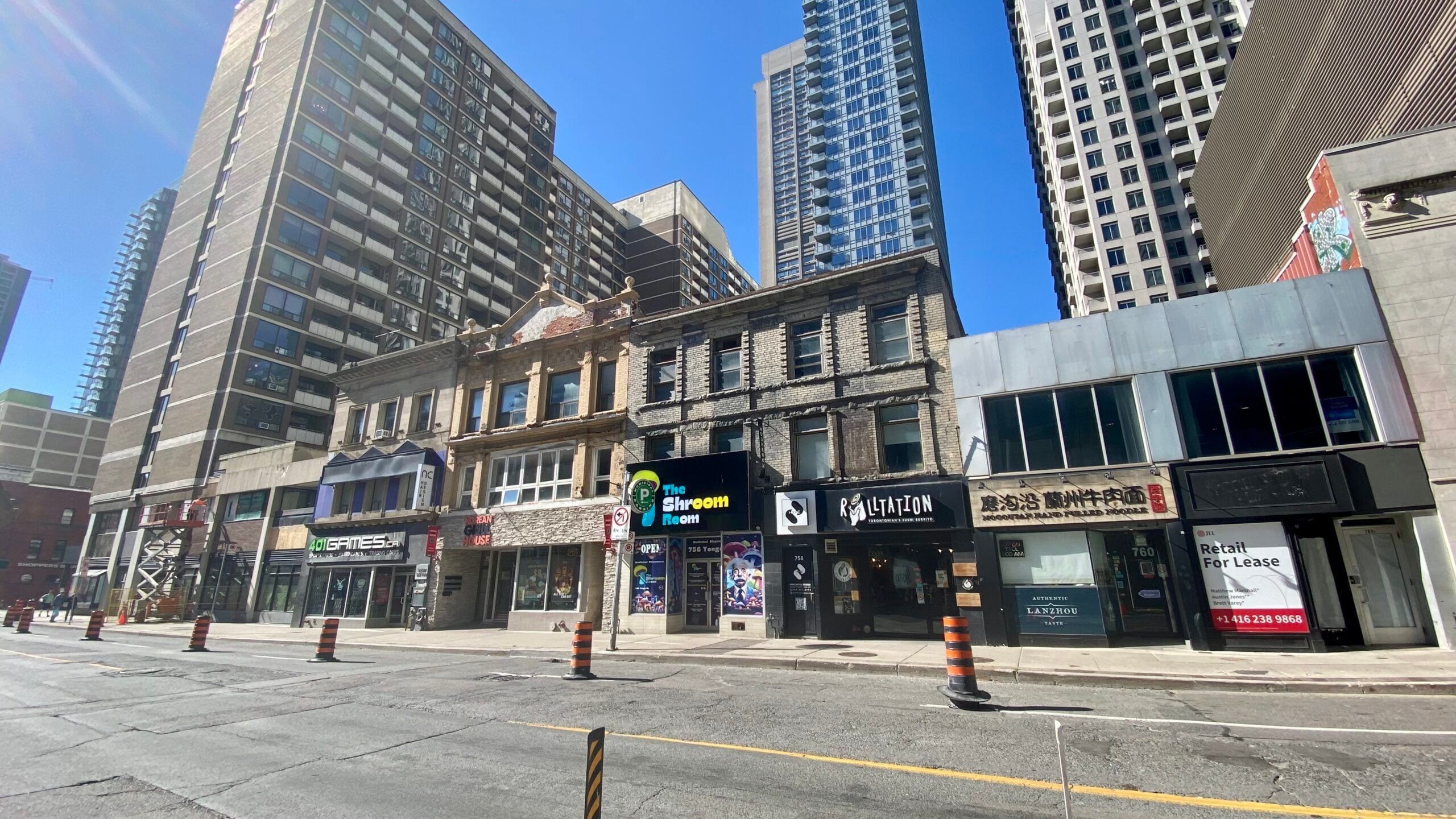
The report says Canada, like the U.S., is facing growing pressures of increasing rates of online sales, cost-efficiency of operating businesses, and the surplus of department store space from mid-price department store closures. But Canada has not been affected by the wave of U.S. store closures as one may think. Canada has about 40 per cent less shopping centre space per capita than the U.S., which has put Canada at an advantage during the wave of closures over the past few years.
The influx of international retailers has reinforced Canada’s role as an entry point for U.S. brands looking to open stores abroad and Asian retailers that are trying to establish outposts in North America, says the report.
“Reflecting on Target and Sears’ Canadian experience, many brands have preferred to test the waters and gain small wins before rolling out multiple stores nation-wide,” the report says.
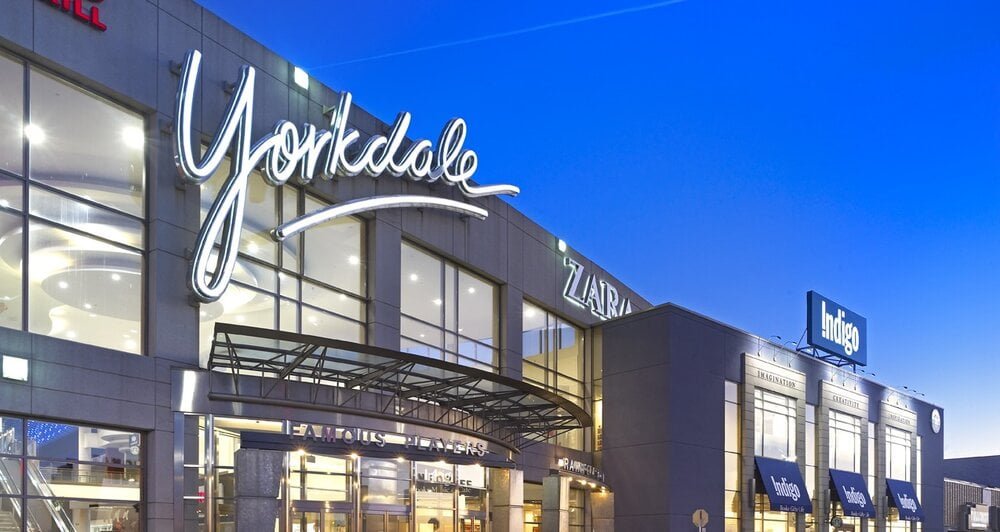

PHOTO: RETAIL INSIDER 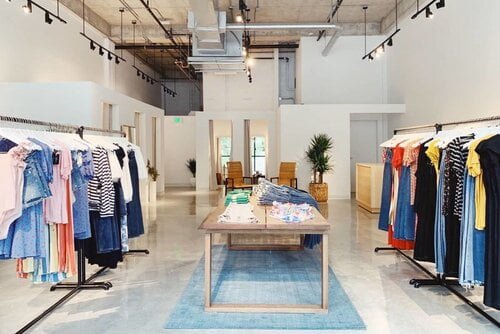
PHOTO: RETAIL INSIDER (REFORMATION, YORKDALE)
L.L. Bean opened its first store in the Greater Toronto Area (GTA) late this summer after launching a Canadian e-commerce site and selling products through Canadian retailers. L.A.-based Reformation opened its first location outside of the U.S. just north of Toronto at Yorkdale Shopping Centre in July. Ulta Beauty has announced the opening of its first international store in Canada sometime in 2020. Chick-fil-A opened its first Toronto location at Bloor and Yonge Streets, steps away from Nordstrom Rack and McEwan. UNTUCKit has plans to open additional stores following the success of its first storefront in Toronto that opened at the end of 2018.
“After launching its first Canadian physical presence in 2017, digital native, mattress-in-a box retailer Casper now has locations in the GTA, Calgary, and Vancouver. Eyewear Warby Parker expands West with its first location in Vancouver’s Kitsilano in February 2019. Seafood City, a California-based Filipino-focused grocer, plans its expansion nationwide in partnership with fast-food chain Jollibee,” states the JLL report.
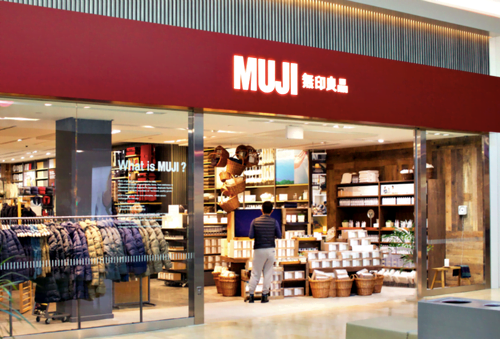
PHOTOS: RETAIL INSIDER 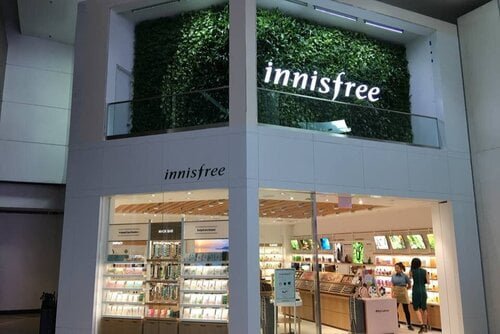
“Japanese dollar store, Oomomo, opened the doors to its first Toronto location last December. MUMUSO, a Korean-inspired dollar store, opened its first Toronto location this July at the North York Centre. Though the brand is based in China, its business and products are marketed as Korean. Innisfree, an all-natural cosmetic brand based in South Korea opened its first Canadian store at Yorkdale Shopping Centre this summer. Korean-inspired retailer, Ximivogue is coming to Toronto at CF Fairview Mall and CF Sherway Gardens. The Japanese fashion retailer, Uniqlo opened its first Canadian store at the CF Toronto Eaton Centre in 2016. The retailer now has 11 stores and has just opened its first Alberta storefront at the West Edmonton Mall. Japanese minimalist style retailer Muji opened its first location in 2014 on Dundas Street in Toronto. After undergoing major renovations, the space reopened as the first flagship in Eastern Canada.
“Miniso, a Chinese-owned and operated company branding itself as a Japanese retailer, launched in Canada in 2017 and rapidly opened 67 stores across the country, with another 11 announced. This July, Miniso was granted credit protection for undercapitalization and intends to continue to operate the stores. With the goal to reach 100 branches over the next five years, Filipino fast-food restaurant Jollibee continues to expand in Canada and opened this August its fifth location in Edmonton, after Winnipeg and the GTA. Dutch retailer, HEMA, announced it will be opening in Ontario later this year thanks to a partnership with Walmart. The value-based retailer sells household goods, beauty products, clothing, and more.

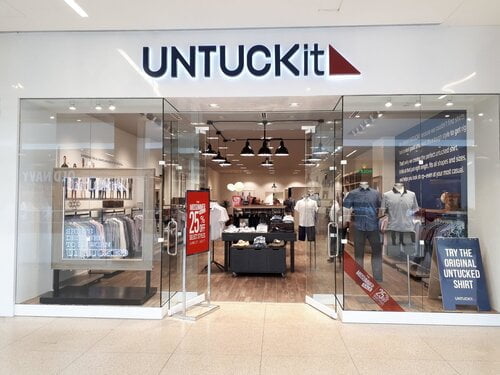
PHOTO: CHRISTOPHER LUI (WEM) 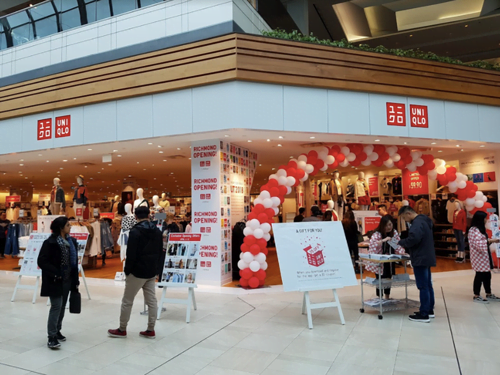
PHOTO: RETAIL INSIDER (OPENING OF UNIQLO STORE, WEM)
“Italian food concept Eataly is set to open at the Manulife Centre in the Bloor-Yorkville corridor in Toronto this fall. It is rumoured that the concept will expand into Montreal and Vancouver in the future. The French sporting goods retailer, Décathlon, has announced expansion plans following its first successful storefront location in Quebec.”
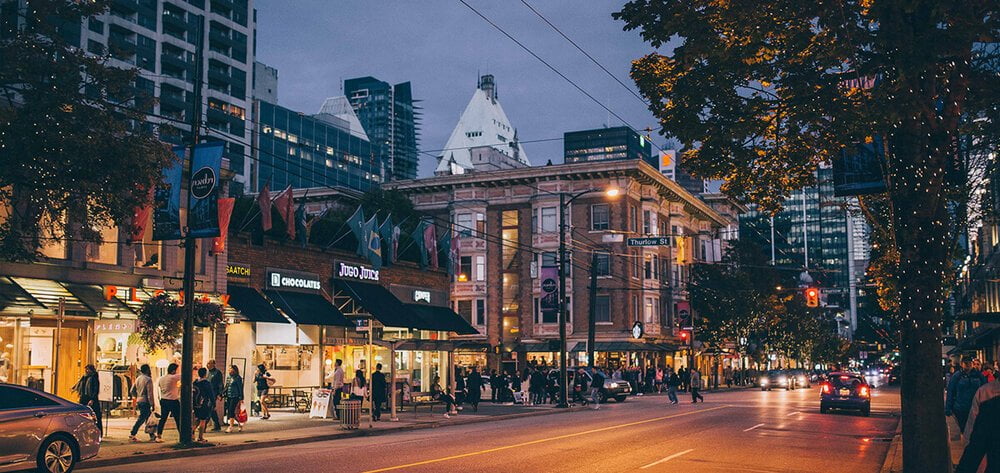
JLL’s report also says Canada’s luxury market continues to grow and thrive with the continued concentration of luxury brands in Toronto’s Bloor-Yorkville corridor and Vancouver’s Robson Street corridor; the solidification of Yorkdale Shopping Centre as a luxury node where several international luxury brands have decided to establish their flagship; the emergence of luxury in West Edmonton Mall with new doors from Louis Vuitton and SJP by Sarah Jessica Parker; the under construction Royalmount in Montreal that will dedicate significant space to luxury brands.
All in all, the report provides a comprehensive overview of the state of Canada‘s retail market, not only covering key trends and developments across the country, but also exploring the nuances of its major markets. It ultimately demonstrates with numerous examples and market indicators why retail in Canada, despite constant pressure and change, remains favourable.
*Partner content. To work with Retail Insider, email: craig@retail-insider.com