As Canadians become increasingly environmentally conscious, consumers’ shopping habits and requirements are shifting. Brands are being coerced into transparency in order to maintain relevance and respect with their sustainability-conscious shoppers. The shift from black box brands to glass box brands has been prevalent, arguably all for the greater good, but consumers are also looking at alternative routes to fulfill their fashion needs without leaving a carbon footprint.
A once stigmatized necessity for some, thrifting is quickly becoming one of fashions most talked about trends in Canada as well as abroad. With an array of thrifting options, both online and within traditional brick and mortar stores, consumers can shop second hand as easily as they’ve always shopped new.
With social media influencers and celebrities making thrifting trendy, and fashion’s cyclical nature perpetually time-turning us back to previous decades, thrifting today is both a popular and convenient method of sourcing new fashion items.
But what’s really driving this thrift store movement?

Environmental Reasons?
It’s a known fact that the textile industry is one of the biggest polluters in our modern society. The toll textile production takes on our environment is enormous, and as education around this topic becomes more accessible, many are choosing to shop sustainably where they can.
People are changing their consumer habits where they can, demanding more ethical practices from the brands they support, shopping secondhand, and avoiding the endorsement of fast-fashion retailers. This shift in consumerism is spreading, however, it doesn’t negate the fact that the fashion business is continuously growing, and at a rapid pace. In the last thirty years, fashion has grown from a $500 billion trade to a $2.4 trillion-a-year global behemoth.

Trends?
For each great, ethical reason to shop sustainably, there’s one hundred social media influences promoting “come thrift with me” videos on Youtube or the “amazing thrift store finds” they discovered through their partnerships with different online consignment platforms. Although perhaps promoting positive consumer habits, these videos and articles not directly promoting educated consumerism. This trend is not necessarily marketed as a sustainably conscious route to satisfying your wardrobe needs. Rather it is showcased as a fun and effective way to find vintage or unusual items to add to your attire — perhaps bargain clothing that is fun to wear for a season but, because it didn’t cost you much, will end up in landfill within a year.
With that said, the big players of online consignment such as Poshmark and DePop are inevitably infiltrating younger generations and creating a community of thrifters. For example, the world’s largest online consignment store, ThredUp, has redistributed 65 million garments to date, as part of its “resale revolution.”
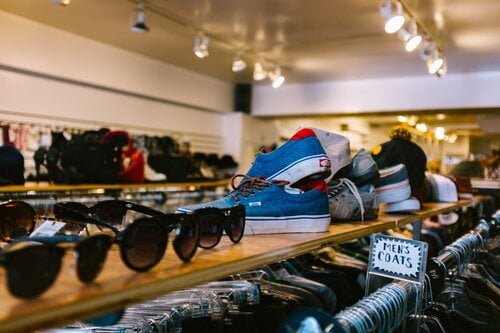
INTERIOR OF TORONTO CONSIGNMENT STORE, COMMON SORT. PHOTO: ON THE GRID 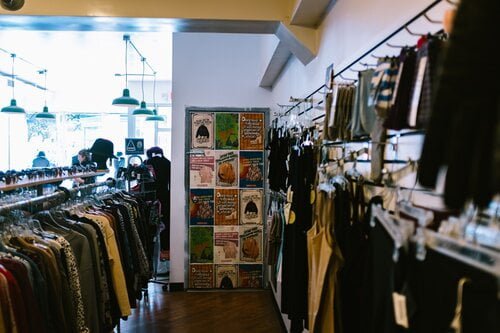
INTERIOR OF TORONTO CONSIGNMENT STORE, COMMON SORT. PHOTO: ON THE GRID
To Thrift or to Consign?
Traditionally, thrift stores, or ‘charity shops’ as they’re known in the UK, were established to service those on the lower end of the economic scale. The aim was to clothe the poor or homeless for a small price, with the proceeds going to charity. Making their way into larger Canadian cities in the early 1990s, thrift stores such as Goodwill and The Salvation Army were leading the game, with all proceeds going directly to their respective charities or religious missions. This is still the case for some, however, thrifting has taken on a new persona and the nature of the industry is changing rapidly.
As thrifting becomes more mainstream, the line between consignment stores and thrift stores has become blurred. Traditionally, as mentioned above, thrift stores are not-for-profit. They receive donations and any profits made go directly to charity. Consignment stores, on the other hand, sell secondhand items on behalf of the original owner, who receives a percentage of the selling price, hence the word “consign.” The difference is quite drastic but often the terminology is used interchangeably, creating confusion within the secondhand consumerism world.
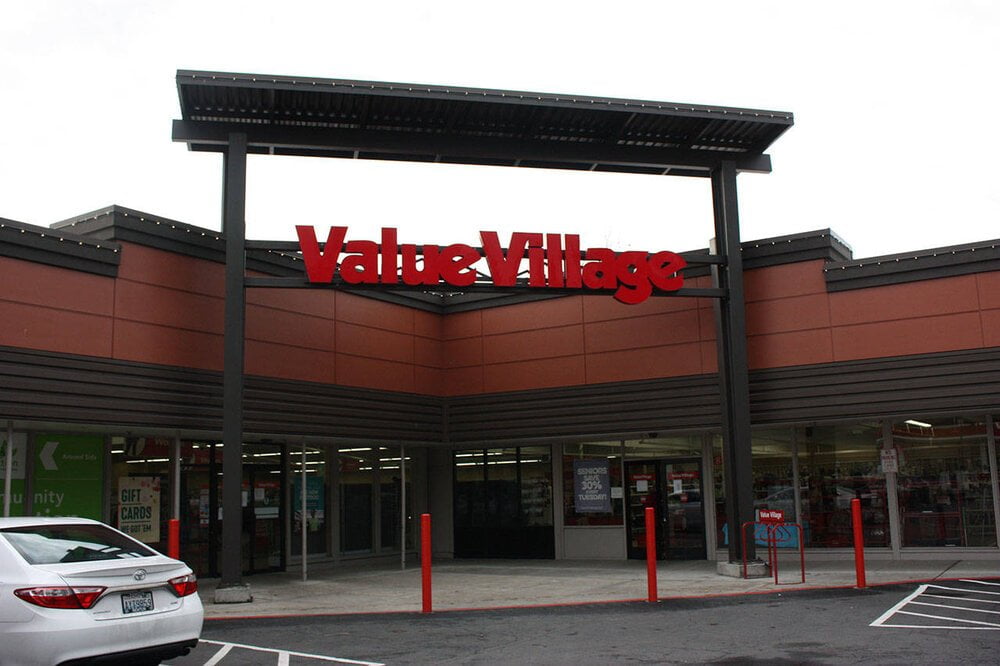
Value Village, for example, has come under scrutiny for its drastic price increase in recent years. People were understandably angry when clothing became almost unaffordable for some who had relied on Value Village over the years. However, Value Village technically doesn’t fall into either the “thrift” or “consignment” category. It does not consign items for those who donate; in other words, you do not receive financial credits or otherwise when you donate your items to Value Village. However, the store also operates under a for-profit agenda, technically meaning it is not a thrift store. Yes, it seems contradictory to increase prices of donated clothing that are traditionally intended for people in need, but ultimately Value Village is working towards making a profit.
In 2016, Goodwill closed its Toronto locations because of a cash flow crisis. Faced with competition from other thrift and consignment stores, Goodwill failed to remain financially stable in the fickle world of secondhand consumerism.
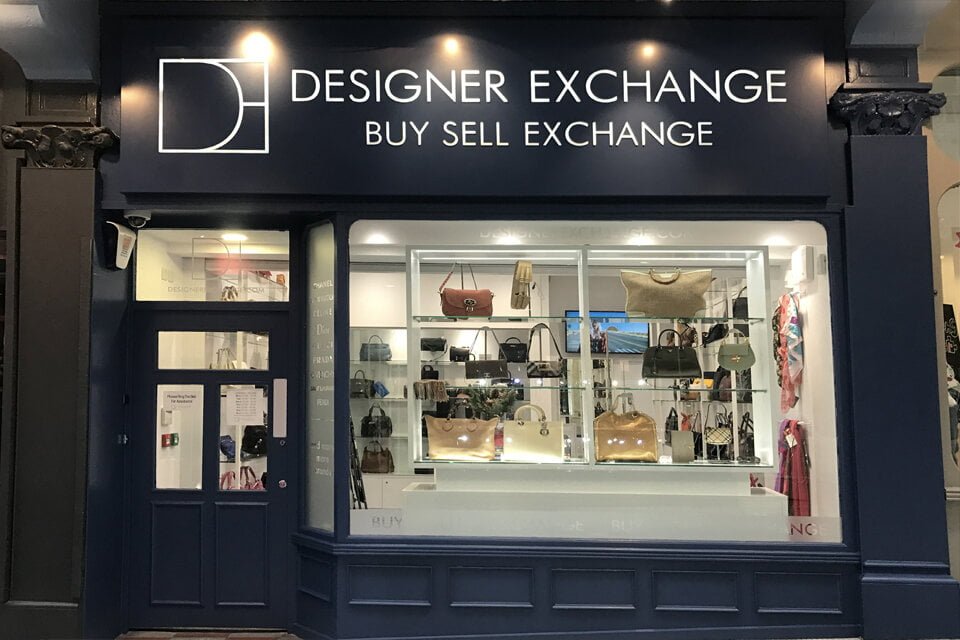
Consequences of Thrifting
Clearly this new wave of thrifting culture is changing the game. It is hindering the more traditional stores in terms of cash flow and in some places, driving a price increase and making thrifting an almost exclusive pastime once again, ironically for polar opposite reasons. For all its negative attributions, however, it is hard to deny that this new trend is not also doing a lot of good. As people continue to shop sustainably, whether it be through traditional channels, boutique consignment stores, or online, it is inevitably contributing to the decrease in our carbon footprint.
As it stands, thrifting isn’t powerful enough to steal market share from mainstream retailers, however with so many closures being announced, it is a possible contributor to the lack of cashflow and foot traffic in malls around the country.
Thoughts on Luxury
Some luxury brands are actually embracing the thrifting trend, as consumers gravitate towards quality items. Some second-hand shoppers have found luxury brands second-hand and have become fans of the brands. With resale prices being strong for some major labels, shoppers may end up selling their secondhand purchases at a profit and may actually purchase new items from luxury brands, which creates a new market that may have not otherwise existed.