

After a disastrous campaign last year, Tim Hortons finally got the message and opted to make changes to its 35-year-old Roll Up the Rim campaign. But its new approach is not that simple. Tim Hortons’ iconic contest is now much shorter and incredibly more complicated. Given its last quarter financial results with same-store-sales dropping by more than 4%, Tim Hortons desperately needs to make its campaign work. But the famous chain may have yet again missed the mark.
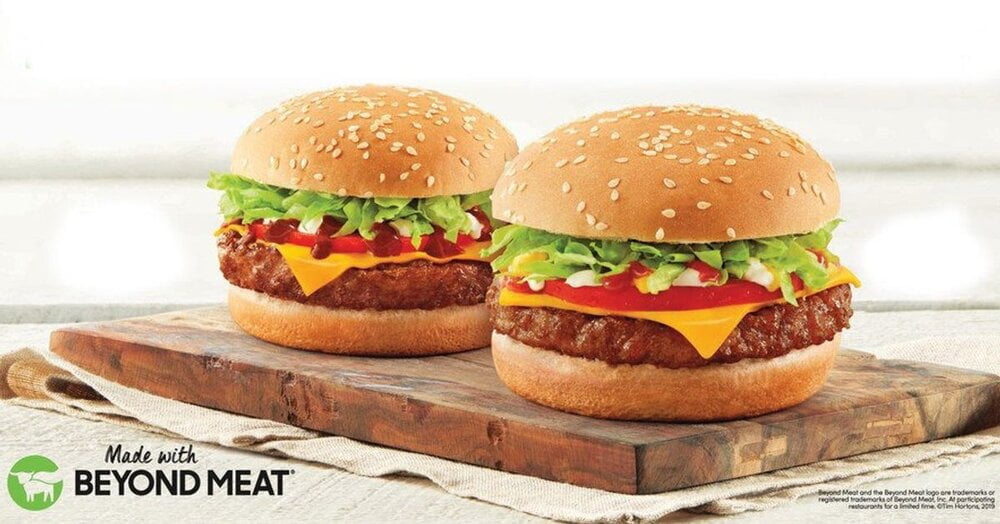
From its protein play with Beyond Meat, to its tweet to Royals offering free coffee, to its costly ill-designed lids, Tim Hortons has had a series of disastrous marketing decisions. Its latest Roll Up the Rim move can be added to the list. The campaign is confusing and will likely end up becoming a new source of frustration for its customers.
The campaign will take place over four weeks, from March 11 to April 7, and will run in two phases. Tim Hortons intends to give away 1.8 million free reusable cups on the eve of the campaign, March 10, before the contest gets underway.
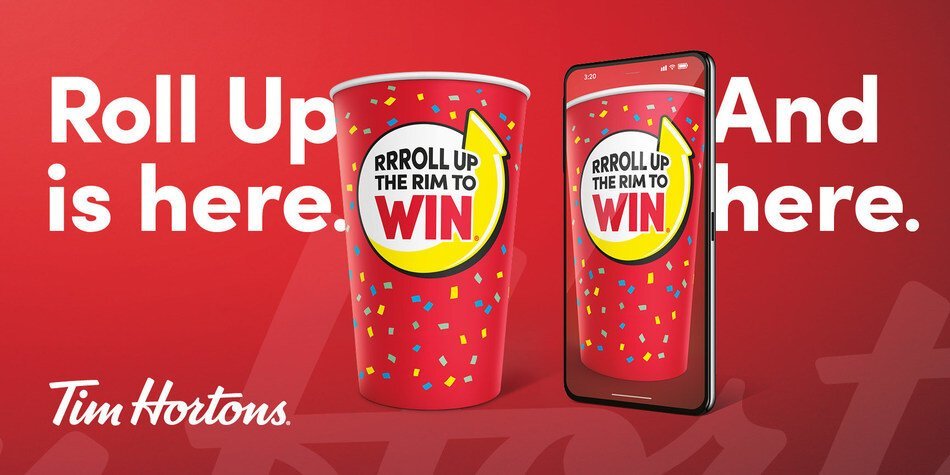
Beginning on March 11, customers who buy a beverage will get to roll up their rims for the first two weeks. Customers with a loyalty card will get an extra roll online. For the last two weeks, the only opportunity to win will be online through digital play. Tim Hortons has also eliminated the defeating “Please Play again” by giving every cup a chance to win $100k, but only if you have the Tim Hortons app. Odds to win are a little lower than usual, but at least, you don’t really lose until the end of the campaign when the draws occur.
The total estimated retail value of all digital and cup prizes this year is $29.9 million over the 4 weeks, versus the $71.3 million worth of prizes last year for the 10-week long campaign. So, if you don’t win right away, you need to verify results and see if you won the draw. Confusing enough?
Tim Hortons clearly wants to check all the boxes without committing to anything. When designing these promotions simplicity and relevancy to the brand are typically an emphasis. With this new approach, Roll Up the Rim 2020 does neither.
By going hybrid, Tim Hortons remains in the world of the in-betweens. In today’s market and context, the environment is non-negotiable for a greater number of consumers, especially for the younger generations. Millennials and GenZs combined represents almost half of the Canadian population and many of them are distancing themselves from Tims for a cup of joe, or tea. For Tims to continue its market dominance it needs them. This latest campaign will likely not convince them to visit Tims more often. For them, sustainability is not about ticking boxes but more so about values and committing to conducting business in a more sustainable fashion.
The physical nature of the campaign, rims and cups and all, has not allowed Roll Up the Rim to age well. As the promotion is typically run in the middle of winter, all of the used Tim Hortons’ cups appear all over the place as the snow melts and spring clean ups across the country begin. Every year we are reminded of the actual cost of the promotion to the environment. What has changed over the years is how consumers are connecting the brand with cups littering the environment. Irresponsible consumers can be blamed, but more are now expecting companies to reduce environmental risks while designing promotions.
One significant change is the length of time the campaign will last. This year’s campaign will last 4 weeks as opposed to the usual 10 weeks. This may indicate that Tim Hortons is seeing 2020 has a transition year, testing the market with how it will react to its new approach. Given that changes are already at least 5 years too late, one must wonder if Tim Hortons has any time to experiment. Digitizing the campaign, at least partially, was long overdue.
Tim Hortons is attempting to please an aging customer-base while flirting with younger generations, but it falls short. Tim Hortons’ attempt to clap with one hand fails to point to its core value which is about community. That’s what’s unique at Tim Hortons. Over the years, communities have changed and are expecting something different. Tim Hortons, on the other hand, is still struggling with change when it comes to marketing promotions.








I’m not sure what was wrong with the redesigned lids but I wish to commend Tim Hortons for using recyclable plastic #5 in their construction. I don’t think any other large chain has followed suit yet, hence creating more single-use plastic lids…
As for their online contest, they will lose older generations (like me!). I always loved the roll-up-the-rim contest, as you can see right away if you win or lose. Have you ever seen a big winner at MacDonald’s Monopoly?
Me neither. I always feel compelled to call for a boycott when they have that stupid contest running…
I don’t know why everyone is hating on Tim Horton’s. I think prices, in general, have gone up, and Millenials just can’t afford to buy a coffee all the time… It’s not practical especially with Canada’s economy. There’s also more competition, gourmet doughnuts and whatnot. Sad if Tim Horton’s fizzle’s out…..