

COVID-19 is likely going to redefine grocery shopping in more ways than one. Convenience now has a different meaning. It’s less about saving time and more about survival and safety. Before the crisis barely anyone ordered online, and many Canadians wondered why someone would ever order food online.
Many things are changing, and changing rapidly. The in-store shopping experience is changing quickly to meet the new standards. Most grocers have reduced shopping hours to give employees a rest and allow for stores to be thoroughly cleaned, from counters to carts, cashiers’ machines to self-checkout counters. Plexiglass barriers at checkouts are being installed. Expectations are that grocery stores now must be as clean as a hospital operating room. That comes at a cost.
Grocers are also limiting the number of people visiting stores at any given time, and getting customers to shop within a limited time. This is shopping under pressure for the betterment of society. Grocers basically do not have much of a choice, and they need to pay employees more. While 500,000 Canadians got laid off last week, Loblaw and Metro announced pay increases for employees.
For many years, the industry wanted to provide a different feel to make the in-store experience more pleasant, less stressful. COVID-19 is changing all of this now.
According to a recent report released by Dalhousie University this week, only 24% of Canadians are comfortable with the idea of grocery shopping. In other words, more than three quarters of Canadians see the grocery store as an inherent risk. Selling to someone who is concerned about their own health as they visit your facility is not good for business. When looking at the entire food chain, retailing has always been the most hazardous part, given that everyone, and anybody, has access to the foods, unlike farming or processing. In an era during which risk self-management has never been so prevailing, Canadians are beginning to figure it out.
As a result of the COVID-19 outbreak, 9% of Canadians are now shopping for food online for the first time, according to the same survey. It may not seem like many, but keep in mind that 1.5% of all food sales were conducted online before the crisis. That percentage had already begun to grow higher, but COVID-19 will likely accelerate the pace. In the United States, some changes are already happening. Downloads of Instacart, Walmart’s grocery app and Shipt have increased 218%, 160%, and 124% respectively last week compared to a year ago.
Compared to other disruptive events in our lives, COVID-19 is different in many ways. Humans are creatures of habits. In time, we do change our ways, especially with food. But we need time. COVID-19 may likely offer enough of us time to change how we purchase our food. Public health officials believe social distancing can last for months. In other words, this is not your typical storm, or hurricane when lives are disrupted for merely a few days, or a week or two. Such a length of time can be enough to create habits, such as shopping online. Grocers already cannot keep up these days.

With crises and disruptions come opportunities for the food industry to adapt. Over the last few years the food industry has been slowly gaining an online presence in order to counter the Amazon menace. It was all about Amazon. Now, purchasing on line is all about safety.
Before Amazon, foot traffic in stores was the one metric grocers looked at with extreme caution. Those days are long gone. COVID-19 is a powerful reminder of how business models can be so fragile. Great lesson. It is similar for the food service industry. Restaurants either served patrons in house or delivered by managing a crew of delivery personal. Food delivery apps have changed all of that, and more Canadians are using them since the start of the COVID-19 outbreak.
Essentially, COVID-19 has the potential to be as disruptive to the food retail and service industries as the Green Revolution was to agriculture. The Green Revolution made agriculture more adaptable to modern food consumption trends. Since the beginning of the revolution, in the 1950s, the globe has 5 billion more occupants and the percentage of people who are food insecure has dropped significantly. The Green Revolution made the entire sector more efficient, smarter, and more immune to threatening diseases and other potential socio-technological threats. The Green Revolution has not been perfect, far from it, but we have all benefited from it as consumers, whether we recognize it or not. Food distribution by way of different technological means won’t be perfect either, but it will make food distribution more compliant to our modern reality.

When location and brick-and-motor business becomes secondary factors, a business’ path to success in food distribution changes dramatically. The transition from traditional agriculture, in which inputs were generated on-farm, to the Green Revolution agriculture, which required the purchase of inputs, led to the widespread establishment of different credit processes. An entire new eco-system was built to support agriculture.
With COVID-19, we may see the rise of dark or ghost kitchens in food service, allowing anyone to start a food service company, virtual or not. The establishment of more micro-fulfilment centres or dark warehouses to support grocers and other food retailers will redesign the entire sector.
This does not mean that Canadians will stop visiting grocery stores, farmers’ markets, or restaurants anytime soon. But, in 5 years from now, perhaps even before, we could see 20% of all food sold online or through apps, restaurants and retail combined. That’s potentially over $50 billion worth of food. According to estimates, it’s roughly around $7 to $9 billion right now. What was seen as a far-fetched concept by many just a few years ago appears to be a likely probability because of COVID-19.

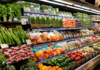
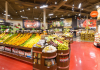
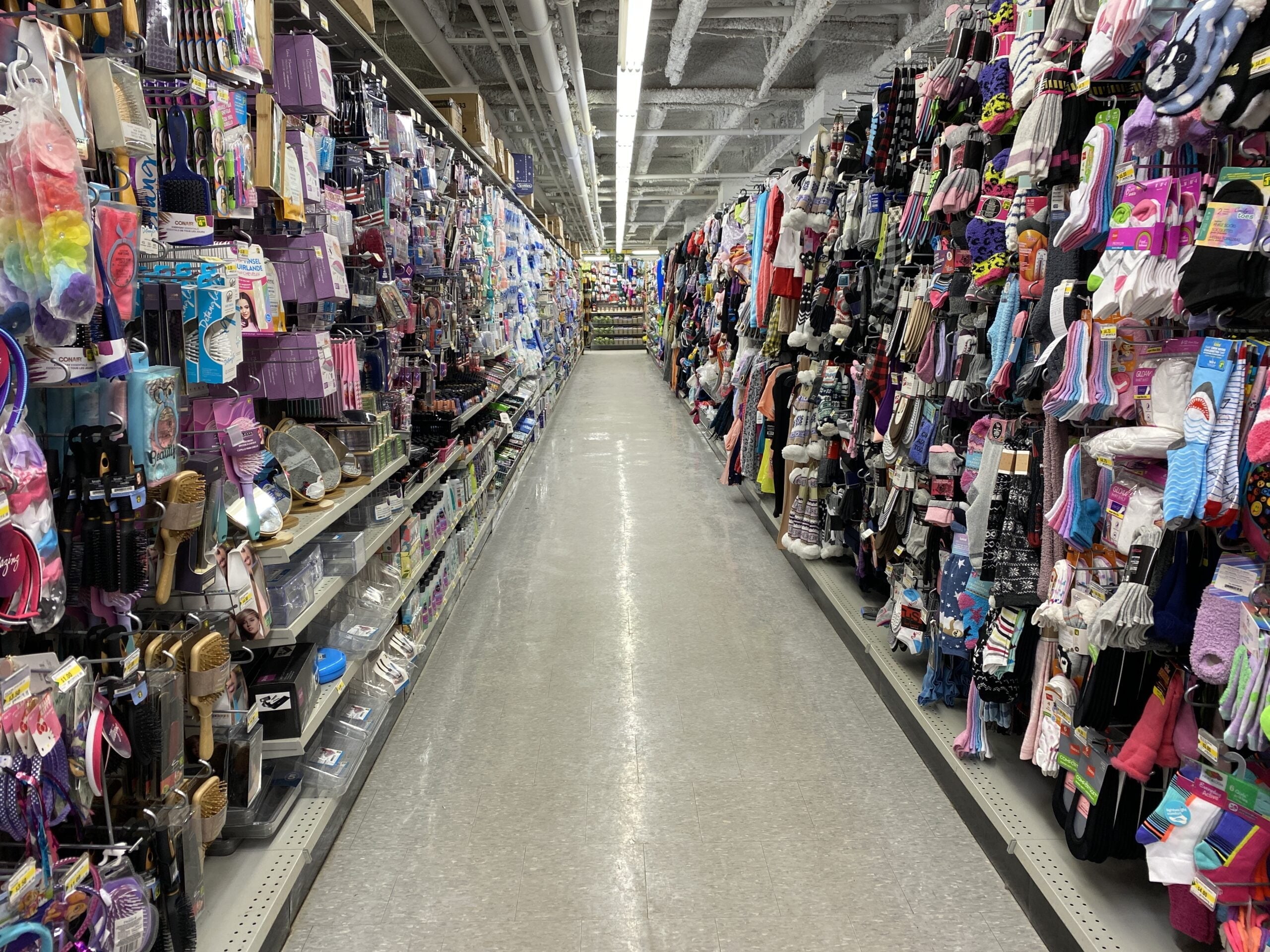
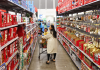



Stay health eat well with the place who maintain hygiene always.
Due to covid-19 people are avoiding to travel outside because this disease is spreading vary fast and due to this many people have lost there life and many are still suffering from this disease. but in this phase food is also important for human life so many grocery store have take many good initiate by sanitizing their shop ,delivery services has been open who cant come from there houses and also they have taken proper precaution who are visiting stores and staff to. this is vary important period everyone should stay safe and health. thank for sharing this.