Nando’s Canada is permanently closing 21 of its corporate owned-and-operated restaurants in the country amid a sharp decline in sales during the COVID-19 crisis as the industry faces the long-term consequences of this unprecedented event.
The restaurant closures will take place over the next few weeks.
“Regrettably, Nando’s has made the difficult decision to consolidate its Canadian business, to lay a solid foundation for the future. These stores have not been commercially viable for some time, and their losses were only exacerbated by the COVID-19 crisis,” said the company in a statement.
It said it will be running 27 restaurants in British Columbia, Alberta, and Ontario — 13 corporate owned-and-operated restaurants and 14 franchise locations.
Nando’s situation is an example of the dire consequences facing numerous restaurants across Canada.
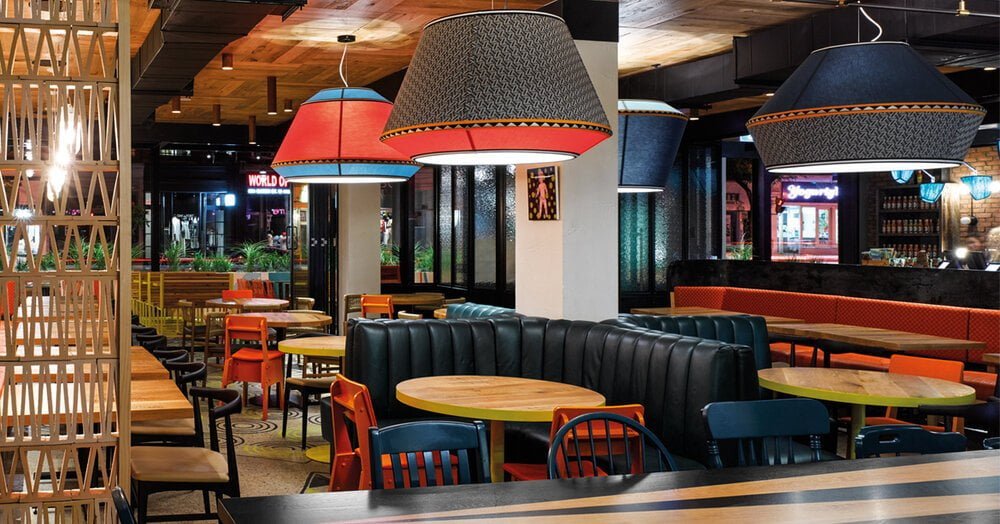
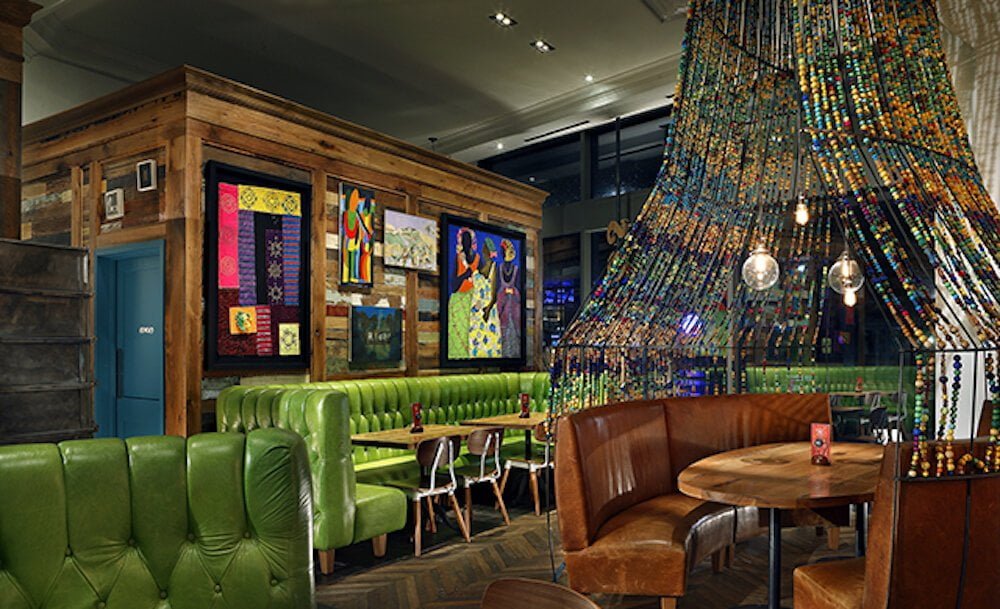
“The Nando’s store closures are part of a growing trend where foodservice and retail tenants are hitting the ‘reset’ button on their operations as part of a larger strategy to regroup and survive,” said Michael Kehoe, Lead Ambassador in Canada for the New-York based International Council of Shopping Centers, a veteran of more than 40 years in the industry and broker/owner of Fairfield Commercial Real Estate in Calgary.
“Store closures, temporary or otherwise can serve to get the attention of suppliers and commercial space landlords to garner financial concessions and cooperation. In these challenging times everyone in the commercial real estate transactional chain must be working together to ensure the survival of foodservice and retail tenants. Sometimes desperate measures need to be taken.”
A recent survey by Restaurants Canada found that seven out of 10 survey respondents said they are either very or extremely worried that their business won’t have enough liquidity to pay vendors, rent and other expenses over the next three months.
Rent continues to be the main challenge. The survey found that 14 percent of independent restaurants haven’t been able to pay rent for April and nearly 20 percent aren’t able to pay rent for May. Also, at least one out of five independent restaurant operators are dealing with a landlord who is not willing to provide rent relief, either through the Canada Emergency Commercial Rent Assistance or some other arrangement.

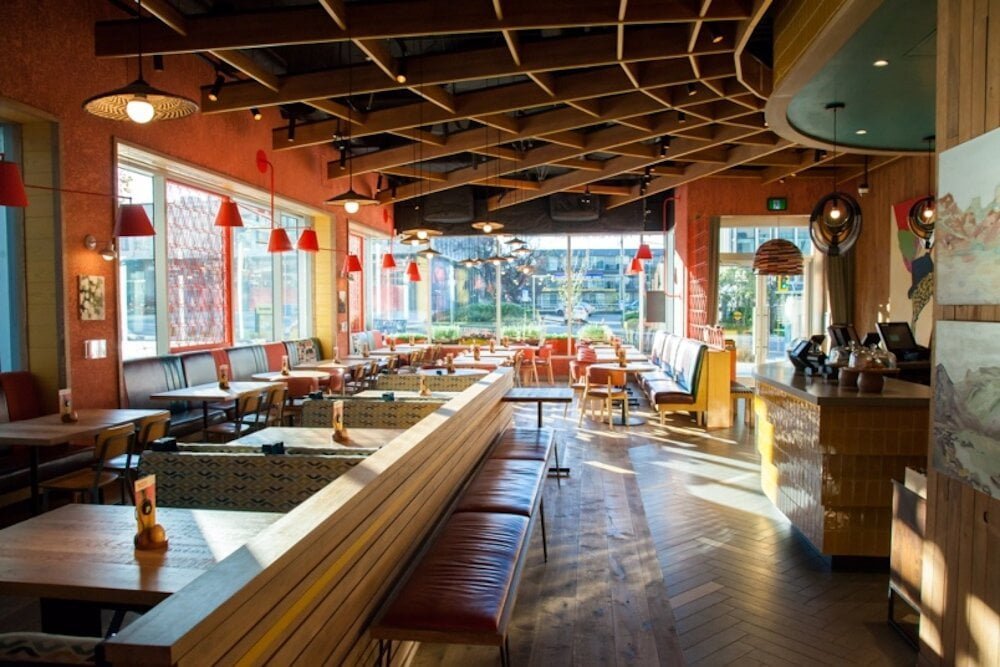
“The creativity and resiliency of our industry won’t be enough to prevent widespread permanent closures as restaurants continue to struggle with insufficient cash flow and insurmountable debt,” said Shannon Munro, President and CEO of Restaurants Canada.
The organization continues to push for a commercial rent program that will help restaurant owners survive this challenging time.
Dan Kelly, President of the Canadian Federation of Independent Business, said the organization continues to advocate for important changes to the CECRA program.
“Too many businesses will go without the help they badly need because they have no way to access the assistance if their landlord does not participate. CFIB has asked the government to allow commercial tenants who are eligible to access the 50 per cent government portion of the program directly if their landlord does not wish to participate,” he said.
View this post on Instagram
If you were allowed only one side forever, which would it be? #choosingsides
Bruce Winder, a retail analyst at Bruce Winder Retail, said the common denominator is that foodservice is going to be challenged under this new normal.
“Let’s face it. People don’t necessarily want to go and sit down in restaurants. Now, restaurants have been open for delivery, through the platform apps and curbside pickup. But that’s only going to be a fraction of the revenue they need to survive,” said Winder.
“And even with the apps, I’ve read numerous reports where a lot of restaurants aren’t very happy with the apps as they take 20 to 30 percent commission. It’s different when you have a full dining room. You can cover your overhead costs but when you don’t have a full dining room and someone’s taking the 20, 30 percent of your sales for takeout, there’s not much margin left for you depending on the item.
“A lot of people don’t want to be going to restaurants yet, assuming that they’re open because they don’t want to sit down. And some restaurants aren’t open. Even if people want to come there, based on social distancing cues, restaurants are going to operate at the most at 50 percent capacity. You still have all the fixed costs you had before. And now your revenue has taken a haircut automatically by call it 50 percent or maybe a little less because you have some of those takeout orders. But the bottom line is the restaurant industry operates on very low margins. Your net margin is low single digit like four percent or something. So you can’t afford a major bump in the road in volume or you’re not going to make money. And if you can’t make money you’ve got to shut down unless you think you can get through this and you can weather the storm and your balance sheet is strong enough or your investors have enough patience to help you out during this time. Or if you can take advantage of government subsidies.”