

The fashion industry, like many others in Canada, has been hit hard by the impact the prolonged COVID-19 pandemic has had on the country’s economy.

Vicky Milner, President of CAFA (Canadian Arts & Fashion Awards), said the impact has been huge.
“When it just hit and everything just started shutting down, there was a big panic. I think through this whole pandemic it’s accelerated a lot of things for brands — things that maybe they were planning to do before but were waiting, anything that obviously involves digital and consumer experience that needed to be seamless,” said Milner. “This situation has definitely upped the ante so to speak and upped the standards of what brands and designers have to now do.
“Because you just couldn’t go into a mall and buy things, a lot of things just shifted to online when it comes to fashion. It’s not an essential service. So a lot of brands who weren’t positioned well in the ecomm space, or didn’t have strong social media presence or weren’t selling through social media, had to definitely pivot quickly to make sure that their exposure on all of those platforms was very strong.”
COVID-19 HAS IMPACTED PRODUCT LINEUP FOR RETAILERS
The impact to the industry has also been very specific to commodities and what companies are producing. So for example, an evening wear designer would have seen a big slow down in business because many events are simply not taking place. But a designer doing leisure wear or more comfortable clothes for home can’t keep their inventory in stock.
“People just shifted their buying habits tremendously based on what was going on,” said Milner. “Foundationally, I think people are right now strategizing what’s to come. Holiday season is coming up. How are they going to make the most of that if people are going to be scared to still go to the malls or if there’s an upswing in numbers (of COVID),” added Milner.
“The whole online kind of conversation is huge as I talk to many brands. They’re investing more in social media, marketing for sure. We’ve seen obviously a rise in live stream shopping. It’s been around for awhile overseas but it’s hitting here more now. There’s a few platforms out there that a lot of brands are now looking at to have that personal engagement with consumers through a live stream shopping experience to augment the ecomm experience as well. So that they can connect on a more personal level with consumers.”
The expectations of consumers has also shifted in how fast they want something. So to compete with the Amazons of the world, independent brands have to also be able to offer quick delivery, a seamless experience and perhaps free delivery where before they never considered that.
The Canadian Arts & Fashion Awards (CAFA), which was formed to recognize, celebrate, and promote established and emerging talent within Canada’s fashion community, had to postpone its annual awards in May. All events across the country had to be postponed as well. The national awards were tentatively rescheduled for November but it’s now looking that the big event will take place next May.
CAFA HAS PIVOTED TO HOSTING ONLINE EVENTS IN THE WAKE OF COVID-19
CAFA has also pivoted to host more online events such as a shopping event in support of Canadian brands with 160 participating. It also held Live with CAFA where twice a week experts gave the industry advice on how to navigate the current situation.
David Dixon, a clothing designer in Toronto with David Dixon Inc. and Professor at the Seneca School of Fashion, said for the fashion industry COVID came out of nowhere very fast.
“Fashion generally is quick to change in terms of how we do things. But there’s a formula in how we do things in terms of making things happen. The industry came to a quick halt I would say at the beginning of March where basically we were deemed non-essential in terms of operating businesses,” he said. “Many of my contemporaries here in Canada basically changed their basic structure to be able to create PPE (personal protective equipment) like gowns for hospitals (and face masks for the public).

“The fashion industry itself the normal process of creating a collection, showing a collection, selling it, distributing it, that whole process or sort of rhythm was broken. During March that’s a very significant month of the year for fashion in showing a collection, selling and distributing. The big months are March and September in a year.”
Dixon said that in Europe many designers are doing multiple platforms right now in getting their collections across. People are slowly getting back to their studios, trying to fill orders that were made or trying to rebuild what they had missed during that period.
“Right now in Europe, they’re showing couture, they’re showing men’s wear, they’re showing cruise wear. Things like that but they’re using different platforms,” he said.
Dixon said designers have to think how they can promote their product digitally. There will be innovation coming in how they will do exactly that.
“I think it’s a change for good. The fashion industry I think needed a little bit of a shakeup anyway. It will probably build itself into something a little bit stronger,” he said.
Glenn Dixon, Owner of Glenn Dixon Design and Strategist at Shikatani Lacroix Design, who is an Interior Designer specializing in Retail, Commercial and Residential design, said the impact of COVID has been huge in the industry but there is also opportunity coming out of it.
“It’s really important for retailers to still focus on their stores, their flagship especially,” said Dixon. “That’s the store that would send the image and tell the customer who they are. The opportunity there is to really put more effort into building an experience for customers where it’s not bricks and mortar anymore. It’s an experience. Retailers are going to have to go deeper into that more so than ever.
“People want to get out and shop still. The experience of shopping is always fun, provided that the consumers are treated well.
“One of the things I’ve seen a lot of is that the stores, or the retailers, have learned the value of their customers and their employees even more so during this. They’re really concerned about their employees’ safety and they’re looking after that. If you treat your employees well, they’re going to treat the customers well. So there’s this love affair going on with customers and employees again only because we were taught the importance of these people through this pandemic. So what that means ultimately to the consumer is a better shopping experience. They’re more likely to come back.”


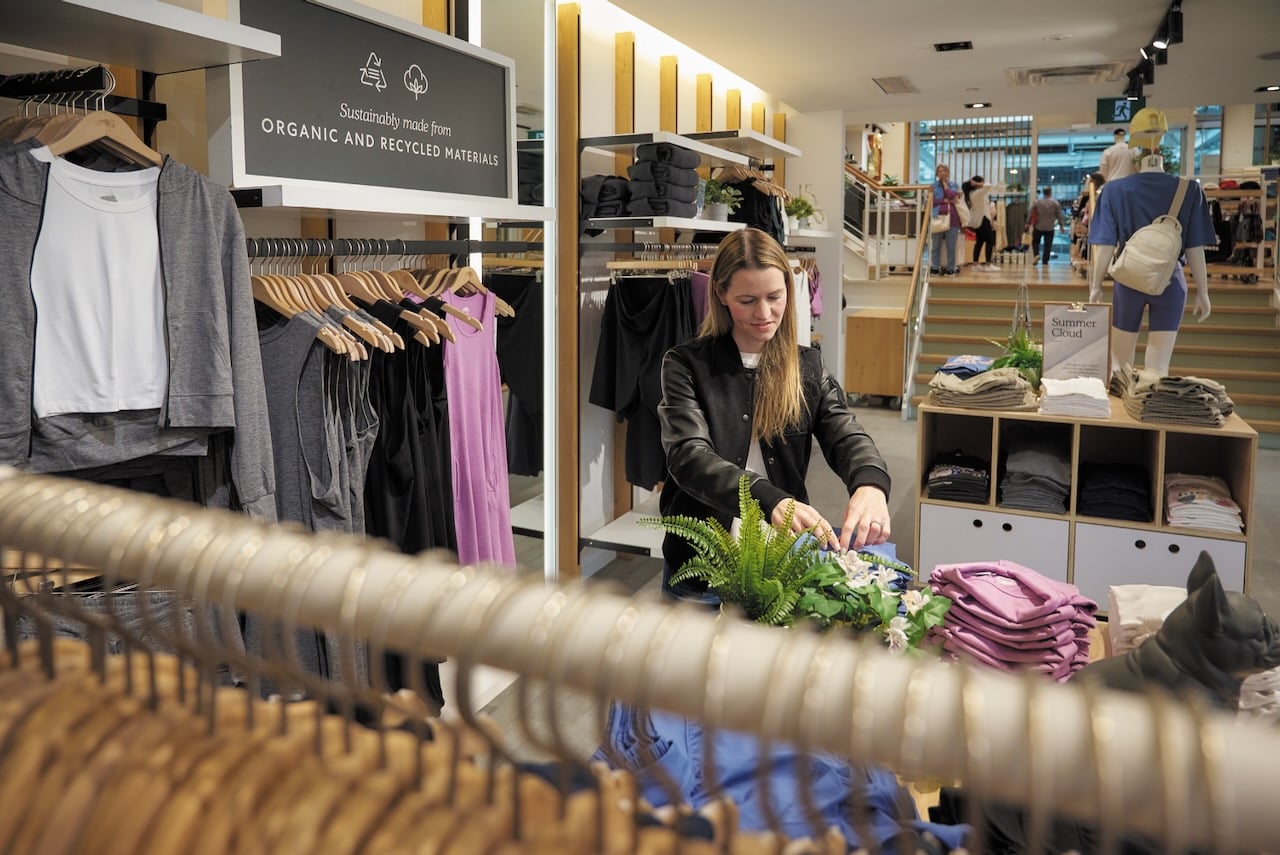





[…] anything that obviously involves digital and consumer experience that needed to be seamless,” said Milner. “This situation has definitely upped the ante so to speak and upped the standards of what […]