Tips for Creating Greater Resiliency in the Retail Sector Amid COVID-19

Date:

Share post:

By Peter Capponi

According to global engineering consultancy GHD, reopening and maintenance of retail operations can be safely achieved with proper resiliency planning aligned to business requirements and drivers, and a high degree of management and health and safety measures. This creates an environment to operate where employees feel comfortable and safe returning to work and customers feel safe shopping.

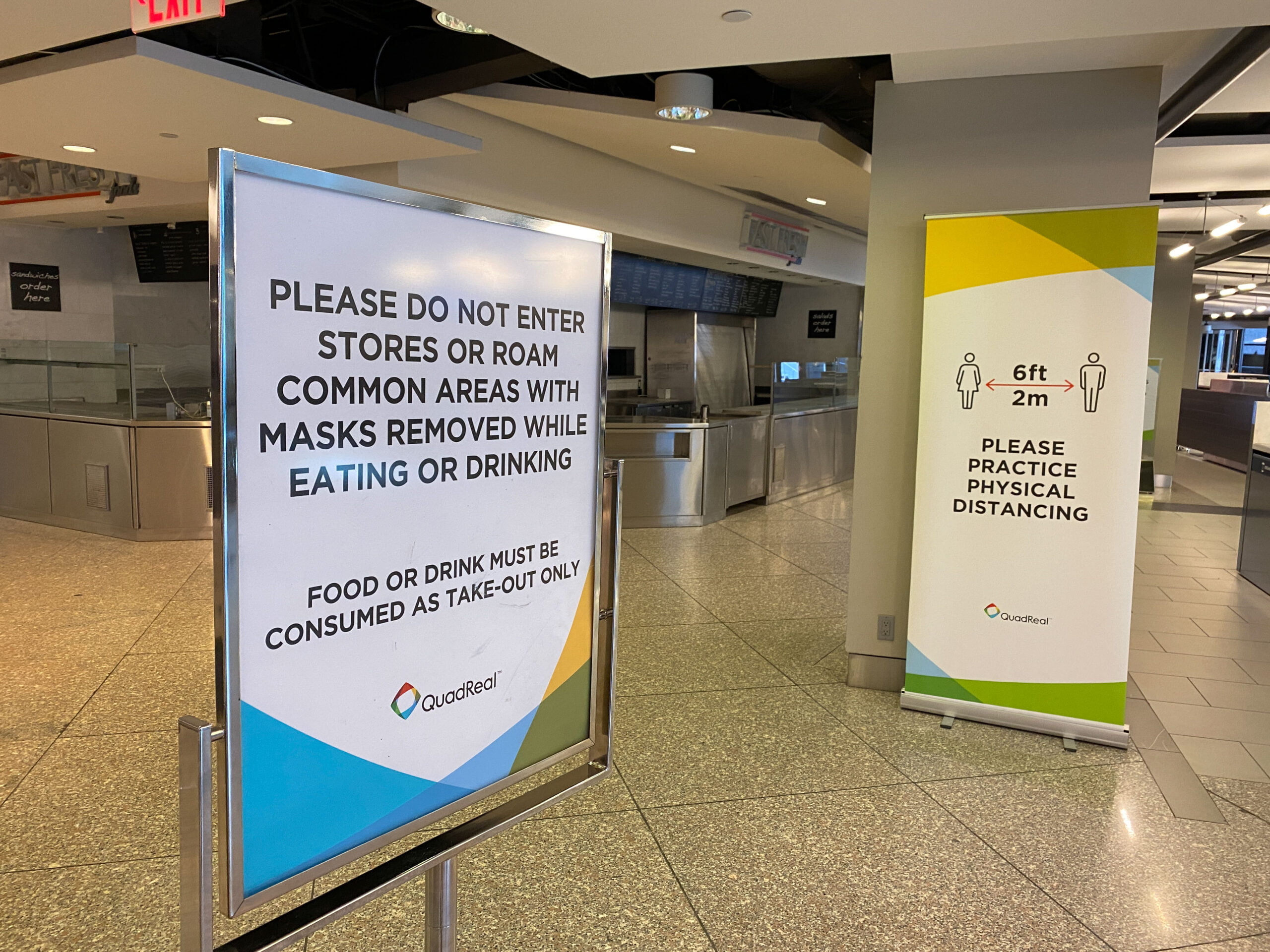
The establishment of temporary (or long-term) screening measures and diversions to meet social distancing requirements, that are monitored and managed digitally and aligned to retail flow patterns, coupled with robust communication strategies are a cornerstone of creating and reinforcing trust with all stakeholders as part of the overall response to COVID-19.

Retail Space Audits:

Determine sites and buildings to be re-opened and desired business level and activities. Perform an audit to understand demand conditions and site criticality to assess business continuity. Rank by safety considerations and facility layout and conditions. Evaluate economic impact to “bricks and mortar” operations and consider online sales avenues.

Health and Safety Facility Guidelines:

Determine public health and governmental guidelines during COVID-19 business activities. Understand and define safety guidelines for the facility and ensure that all government guidelines are incorporated. Conduct an assessment as to what is currently in place versus what is required and then plan to close the gap. For example, secure Personal Protective Equipment (PPE), and consider the availability of future stock and potential for supply chain disruption that could occur during an increased risk level.

Employee Health and Safety Policies:

Develop a site-specific employee safety plan with policies and protocols for health screening, social distancing and contact tracing. Conduct and document health risk assessment and develop appropriate PPE guidelines. Importantly, modelling of worker and customer movement will be critical to ensuring social distancing requirements tied to the specifics of the retail space/location. These policies and processes should be constantly reviewed and part of a continuous improvement strategy based on actual performance.

Consider Queuing Challenges:

Deploy digital technology and modelling to ensure social distancing and employee/visitor safety โ€“ specifically for queues and capacity requirements. Modelling and monitoring of movement outside and inside your facility will be critical to ensuring social distancing requirements.

Evaluate and Re-Engineer Floor Space Layouts for More Effective Physical Distancing:

Having the appropriate expertise, technology and data science to track, model, plan and implement effective social distancing in retail space is critical. Evaluate retail floor layout, product display options, and fitting room standards (eg. full doors versus curtains) that can safely accommodate people flow and contact interaction. This will lead to better health, safety and industrial hygiene protocols.

Cleaning, Disinfecting, and Decontamination:

It is important to respond to possible impacts and the needed prevention to identify and clean needed assets while maintaining retail flow, employee and customer confidence and product integrity.

HVAC Systems:

Infectious aersols can pose a high exposure risk, regardless of whether COVID is defined as airborne infectious disease. Evaluate and improve the design and operations of heating, ventilation and air conditioning systems and local exhaust ventilation (LEV) systems to decrease the transmission. Evaluate and develop strategies to minimize transmissions through ventilation systems including Dilution and extraction ventilation, pressurization, airflow distribution and optimization, mechanical filtration, ultraviolet germicidal irradiation and humidity control.

Effective and Regular Employee Communications:

Timely, consistent, and targeted communication and engagement is critical to the successful deployment of any significant business change. This should clearly articulate how a retail store is going to operate but also be clear how workers, customers and other stakeholders should behave. Given the personal nature of health screening and the fear associated with the COVID-19 virus, a comprehensive communications and engagement program is imperative.

Disclaimer: It is recommended that business owners and organizations monitor and adhere to the guidelines released by relevant public health authorities such as Health Canada, as well as other provincial authorities. Every business and organizationโ€™s situation is different. These tips are intended to raise awareness of a few best practices, solutions and considerations.


Peter Capponi

Peter Capponi is a North American Industrial and Manufacturing Sector Leader at GHD.

RELATED ARTICLES

Subscribe to the Newsletter

Subscribe

* indicates required

RECENT articles

Groupe Dynamite Shifts Growth to Higher-Productivity Stores as Garage Expands Globally

Groupe Dynamite is reshaping Garage around an older customer, higher-productivity stores and global expansion while optimizing its Canadian network.

Empire Rejecting Tariff-Related Supplier Price Hikes as Trade Tensions Escalate

Empire says it is rejecting tariff-related supplier price increases for now, citing sourcing alternatives as Canada-U.S. trade tensions escalate.

From The Desk: Navigating Retail Expansion Amid Economic Pressure and Innovation

This week in Canadian retail: strategic expansion, shifting consumer behaviour, innovation, tariffs and operational discipline shape the market.

What Appleโ€™s New iPhone Strategy Means for Canadian Retailers and Carriers

Appleโ€™s iPhone Duo, higher Pro pricing and new launch calendar could reshape how Canadian retailers, carriers and consumers buy and sell Apple hardware.

Fraud Is Costing Canadian Merchants More Than They May Realize

The financial impact of fraud extends well beyond a lost transaction. Konek can help Canadian retailers build trust into the payment experience from the start.

Nearly 400 consumer insolvencies filed every day in Canada: Harris & Partners

New federal figures show consumer insolvencies increased by 2.2%, while separate research found more than one-third of respondents had skipped essentials because of financial pressure.

Canadian Retailers Rethink Pricing Strategies as U.S. Tariffs Hit Nearly 900 Product Categories

Continued trade tensions reinforce the importance of diversification across international markets.

Canadian Retail Properties Perform Well in the First Half of 2026: CBRE

Suburban fundamentals excelled in key retail formats, especially grocery-anchored centres, supported by population growth in select cities and consistent tenant demand, according to CBREโ€™s new survey

Ryde: Canada launches sleep shot aimed at Canadians struggling to fall asleep

Ryde: cited data showing that 20 per cent of Canadian adults report having trouble going to sleep or staying asleep most or all of the time as part of the rationale for introducing the product.

Winnipeg-based Activate to open first Australian location in Melbourne in early 2027

Activate Melbourne (Highpoint) will be located next to HOYTS Cinema in Maribyrnong, Victoria, marking the company's entry into the Australian market and the first of several planned openings across the country.

INDOCHINO launches Fall/Winter 2026 campaign focused on made-to-measure tailoring

Called Hold the Room, the campaign follows four friends over a weekend, using three settings โ€” an afternoon arrival, an evening lounge and a formal dinner โ€” to showcase the company's tailoring and fabrics.

Daily Synopsis: Sep 10, 2026

Dynamite reports numbers, Harry Rosen shutting Bloor flagship Sept 12 with relocation a week later, Empire reports quarter, consumers use AI ahead of holidays, Jersey Mike's targets 300 Canadian locations, and other news.

Protect Your Business Before Peak Shipping Season

Join Retail Insider and UPS Capital Canada on September 30 at Noon ET for a free webinar on peak-season shipping risks, and protecting profits.

Mercedes-Benz Refreshes Holt Renfrew Studio With Paul & Shark and New S-Class

Mercedes-Benz has refreshed its Holt Renfrew Studio in Toronto with a new Paul & Shark residency, the Canadian debut of the 2027 S-Class, and an immersive 140 Years of Innovation experience.

Trade war puts over 50,000 Canadian small businesses at risk: CFIB

The CFIB is calling for immediate tax relief for small businesses through a Small Business Corporate Tax Rate cut.

Nearly 4 in 10 Canadian Shoppers Are Using AI for Shopping: Salesforce

Salesforce says 39% of Canadian shoppers have used AI for shopping as product discovery, retail marketing and e-commerce begin to change.

Retail Accessibility Can Shape Sales and Customer Loyalty, Says Pamela Shainhouse

Pamela Shainhouse explains why accessibility in store design, staff training and ecommerce should be part of the customer experience for Canadian retailers.

Canada’s retail vacancy rate expected to remain elevated as market absorbs Hudson’s Bay closures

The Hudson's Bay closures had a significant impact on Canada's retail market in 2025, with vacancy at shopping malls rising from three per cent to eight per cent in the second quarter of that year.

How Canadian consumers can soften the blow of tariffs: NerdWallet

Canadaโ€™s latest batch of counter-tariffs affect a wide range of consumer goods, including beauty supplies, milk products, clothes, home appliances and exercise equipment.ย 

Groupe Dynamite sees revenue increase by 29.8% to $423.6 million in Q2

Net earnings for Q2 2026 increased by $49.5 million or 77.5% compared to Q2 2025.