Grocery prices are hitting everyday shoppers where it hurts these days: right in the wallet.
And few things influence shopper habits like price, according to a report by Field Agent, a company that leverages crowdsourcing and mobile technology to collect retail audits and conduct mystery shops for retail operations.
“The takeaway for CPG (Consumer Packaged Goods) brands: shoppers are increasingly open to purchasing from competitors. And when loyalty is low, every sale counts,” said Jeff Doucette, General Manager, Field Agent Canada.
“But shoppers aren’t the only ones tightening their belts. As sales dip for many brands, the cost of boots on the ground to fix pricing errors and check out-of-stocks can feel overwhelming. But here’s the good news: low-cost, high-yield solutions for these challenges (and many more) exist to help every CPG brand weather inflation. Companies of all sizes, from Fortune 500 juggernauts to mom-and-pop brands, trust Field Agent to inspect prices, double-check out-of-stocks, and even boost e-commerce sales. All with just a few clicks.”
In Canada, the Consumer Price Index rose 7.6 per cent on a year-over-year basis in July, down from an 8.1 per cent gain in June. The deceleration was a result of slower year-over-year growth in gasoline prices, according to Statistics Canada.
The federal agency said prices for food purchased from stores increased more on a year-over-year basis in July (+9.9 per cent) than in June (+9.4 per cent). Prices for bakery products (+13.6 per cent) continued to rise at a faster pace as wheat prices remained elevated. Higher input costs and global supply uncertainty related to the Russian invasion of Ukraine continued to put upward pressure on global wheat prices amid an already constrained supply, explained StatsCan.
Other food items also exhibited faster price growth, including non-alcoholic beverages (+9.5 per cent), sugar and confectionery (+9.7 per cent), preserved fruit and fruit preparations (+10.4 per cent), eggs (+15.8 per cent), fresh fruit (+11.7 per cent), and coffee and tea (+13.8 per cent), it added.
Field Agent asked 2,739 shoppers about how inflation has influenced and altered their grocery shopping habits over the last three months.
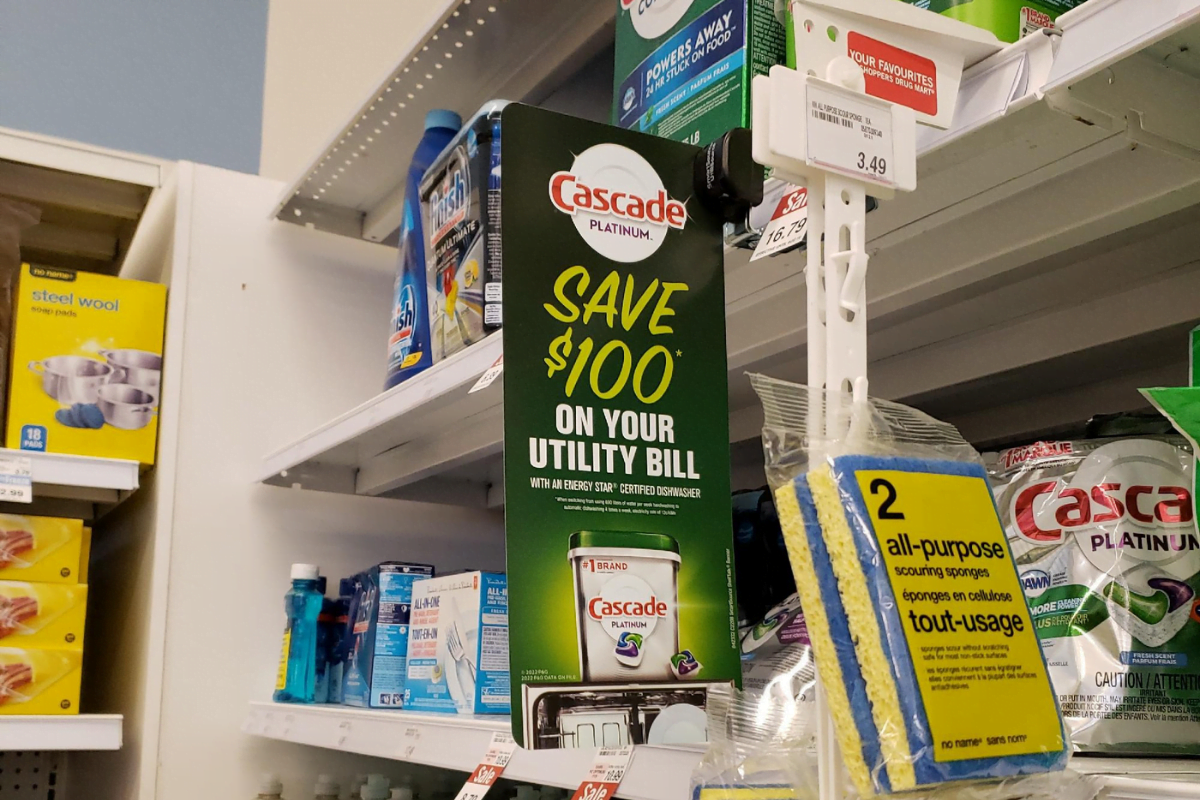
“From a retailer perspective, we’ve really got to think about having those alternate options for people that are on budgets,” said Doucette.
“If you have $200 to spend on groceries, that’s all you have. So finding options of smaller pack sizes, formats that can help people save a little bit of money from an absolute price point basis. I think that’s the thing we’ve been missing in so many of the conversations about inflation. There’s so many Canadians that their budget for groceries is a fixed dollar amount. It’s not a flexible amount necessarily.
“So if they have smaller pack sizes they can still buy affordably. And private label brands I think are going to be important even though they’re also under pricing pressure and price increases as well. It’s a complicated story but consider that overall consumer budget as a dollar amount and try and help them drive value.”
The survey said 95 per cent of shoppers surveyed are well aware of higher prices, and over a quarter report paying “much higher” prices for their groceries. It’s a pain point many can’t afford to ignore.
The survey found that 12 per cent of these shoppers report an increase in grocery stock, and about 31 per cent say they haven’t noticed any significant change at all. But a majority (57 per cent) continue to perceive a drop in grocery stock compared to three months ago.
“Why is this an important question for CPG brands? Simply put, customer loyalty drops with the purchasing power of their dollar. Translation: if your product isn’t on-shelf, penny-pinching shoppers are more than happy to swap for a competitor—especially if they’ll save a few bucks doing so,” added Doucette.
The report also found that 53 per cent of shoppers said they are less likely to grab an unplanned treat while grocery shopping and 19 per cent are much less likely to do so.
“For shoppers, impulse purchases are an afterthought. But for many CPG brands, they’re the prize-winning bread and butter. When a dollar just doesn’t go as far as it used to, frivolous purchases are the first to be kicked to the curb,” explained Doucette.
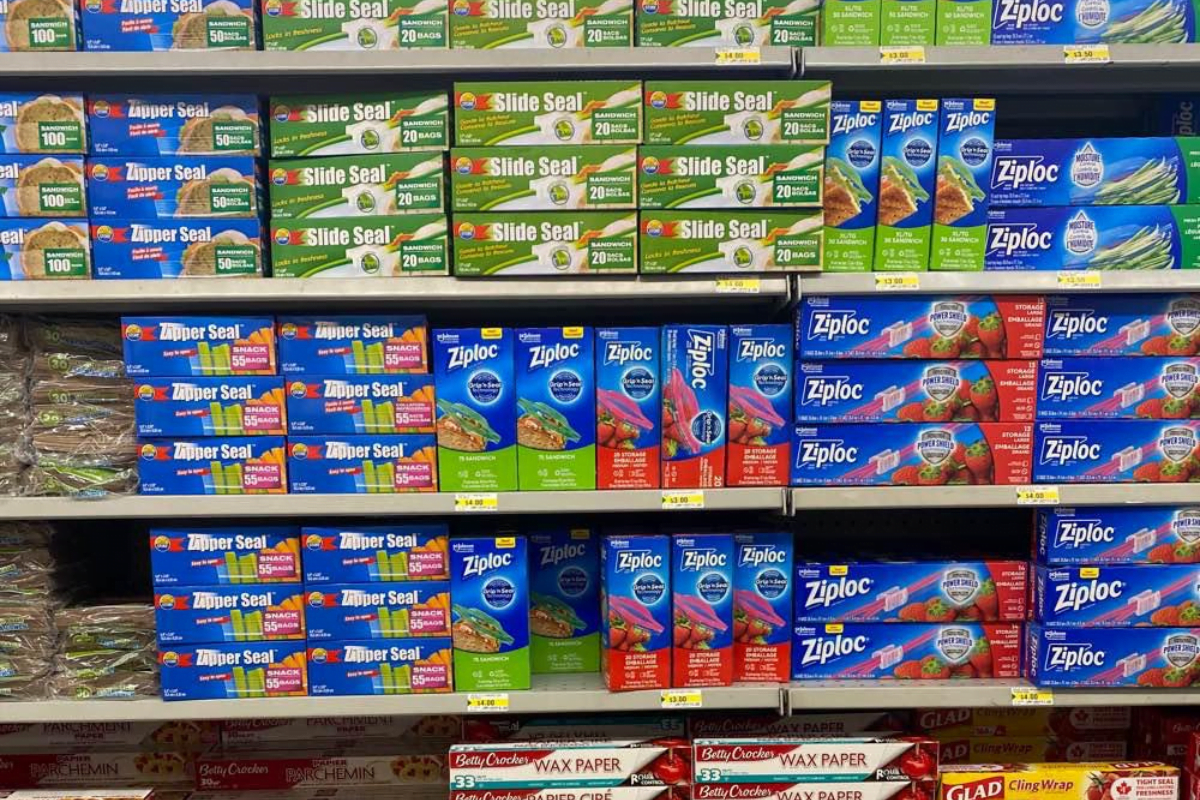
“Inflation isn’t only affecting what goes into physical shopping carts—digital carts are also feeling the pressure. 58 per cent of our shopper sample said they buy groceries online at least occasionally, and seven per cent make such purchases at least once a week. It’s a dirty little secret, but what’s in-stock on grocery store shelves may not be available on retailer apps for pickup or delivery.
“A majority of shoppers have noticed a downward trend in availability as they shop for groceries online or in-app. For CPG brands, that means more substitutions or missed sales.”
The report also found that 82 per cent of shoppers say they’ve adjusted their grocery-shopping habits due to inflation. It said 74 per cent of shoppers say they’re switching brands to save costs, and 75 per cent are buying different groceries altogether (less meat, for example). Also, 23 per cent say that inflation has even influenced them to pick up a membership at a warehouse club like Costco.