Indigo’s priorities over the past three years and key strategies moving forward include accelerating its assortment of thoughtfully-curated products, developing Indigo’s store of the future, innovating within Indigo’s digital platforms, and investing in its employee benefits.
“At the core of everything we do is our relationship with our customers. On September 7, we launched our new brand positioning life, on purpose, which is the expression of how all our strategic priorities come to life for our customers. For us, life, on purpose, is about identifying what we truly value and then spending our time and resources in alignment with those values,” said Andrea Limbardi, President at Indigo – Canada’s largest book and lifestyle retailer.
“As life today is at a ‘speed of light’ pace, we have heard from our customers – and relate for ourselves at Indigo too – that too much of our time is spent doing things that don’t bring us joy. Oftentimes, that’s the endless scroll on social media or show after show watched on a streaming service only to feel like time was wasted. At Indigo, we are a place where customers can engage with what matters most to them and do more of what they love. Whether that’s cook a meal together with friends, explore a new passion through books, build Lego with their kids, or reconnect with music and build their vinyl collection.
“Our general merchandise expansion, is therefore a natural extension of our book business, connecting our customers to the information and resources they need to live life, on purpose, along with the tools to help them action their passions and interests.”
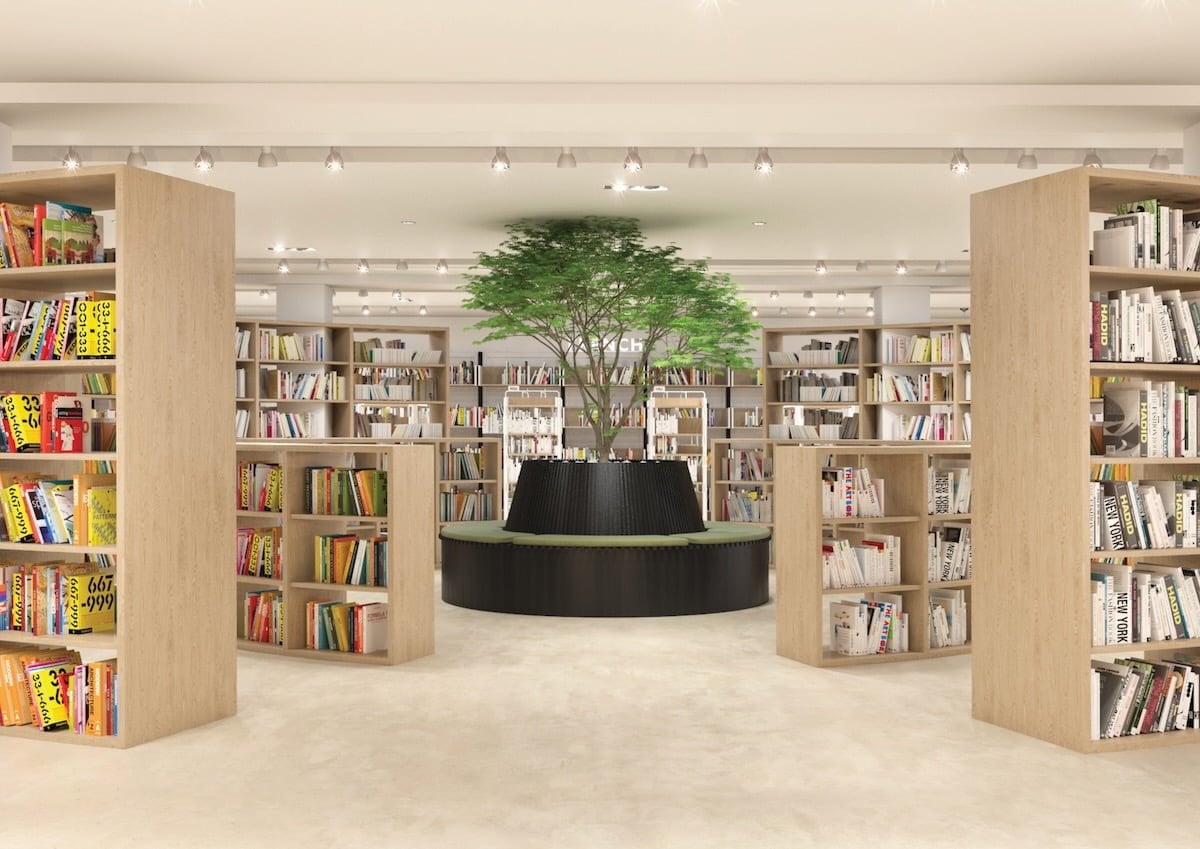
There are 87 superstores under the Indigo and Chapters banners and 84 small format stores under the Coles and Indigospirit banners.
The company has Indigo Rideau opening this fall at the Rideau Centre in Ottawa. It also opened earlier this year its first beauty and wellness shop-in-shop at our Robson store in Vancouver.
Rather than being the everything store, the assortment is an emporium of beautiful, long-lasting, and functional items inspired by culture, explained Limbardi. Indigo’s assortment transformation is dedicated to the expansion of new and growing categories such as Gifting, Tech, Plants, Gourmet, Arts & Crafts, Record and Fan shops, Tween, Wellness, Baby and Manga, she added.
“Customers want a two-way relationship with the companies they buy from, forged by feedback and action. Though every interaction doesn’t have to be one-to-one, it has to feel that way,” she said. “Customers are interacting with Indigo across the whole omni-channel ecosystem, and the company is working to make that seamless no matter where they choose to be inspired or which channel they choose to make their purchase.
“It’s all about forging meaningful connections and helping Indigo’s customers live their life, on purpose – their way.”
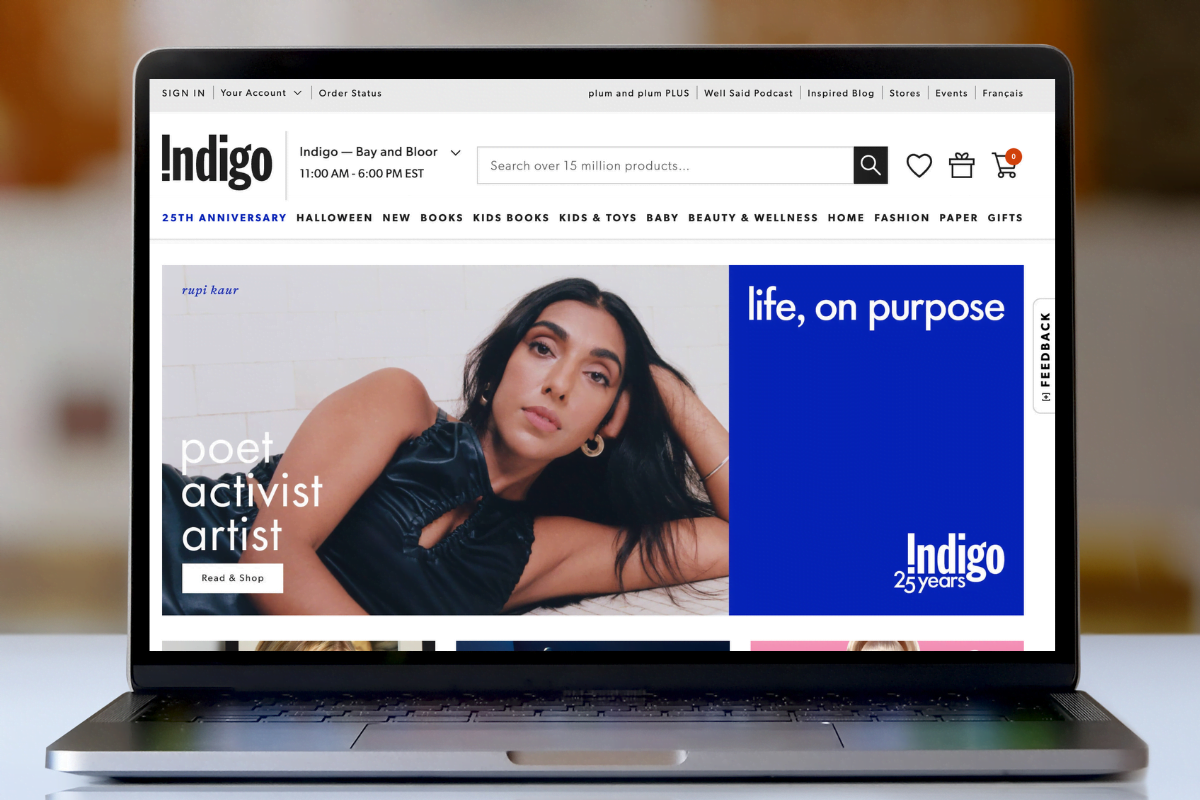
Limbardi said the distinction between physical retail and digital retail has evolved and customers expect to have a seamless experience with the Indigo brand, regardless of channel. In addition to reshaping Indigo’s physical store offerings, the company continues to invest heavily in its digital platforms to bring inspirational content and product to its customers, while enhancing their shopping experience, she added.
“As part of Indigo’s digital transformation, we will be launching our new website later this fall. These efforts will deliver an innovative and agile platform that will allow the company to fully realize the potential of the ecommerce opportunity unlocked by accelerated adoption during the global pandemic,” explained Limbardi.
“Through our new website we will: create experiences that help customers make the best choices to live their life, on purpose — from more purposeful filtering to content with strong perspectives, create an experience that feels curated by someone that has deeply considered “me”, from what products are seen to how they are presented, create experiences that feel like wandering in store — like peeking into aisles or picking up a product to examine it.
“Additionally, this fall, we are launching ship from store which allows us to unlock access for customers of the inventory in all of our stores coast to coast to coast and treat each store like its own mini distribution centre.

Partnerships for the digital transformation replatform include SalesForce CommerceCloud, Contentful, Inriver, and Manhattan.”
Previously, Indigo introduced several digital innovations including enhanced express pick up, partnerships with Instacart and Cornershop x Uber, and a dropship/marketplace program with Convictional. Additionally, in July, it compacted its MarTech work with partnerships with Segment, Snowflake, Sailthru, and Adobe Analytics, said Limbardi.
In early September, Indigo announced Heather Reisman, Indigo’s founder & Chief Executive Officer, had been appointed Executive Chair; Peter Ruis, Indigo’s President, assumed the role of Chief Executive Officer, and Limbardi, Indigo’s Chief Customer and Digital Officer, was appointed President. Also, Ruis was appointed as a member of Indigo’s Board of Directors.
In August, the company reported financial results for the 13-week period ended July 2, 2022 compared to the 13-week period ended July 3, 2021.

Revenue increased $32.5 million, or 18.9 per cent, to $204.6 million compared to $172.1 million in the prior year, exceeding the company’s top-line first quarter performance in the preceding three fiscal years.
In a news release, Indigo said total sales growth was driven by the success of Indigo’s omnichannel business; a strong recovery in the retail channel where traffic levels continued to normalize, and an ecommerce business that sustained incremental growth of 80 per cent of fiscal 2020 levels. Double-digit growth was generated in both the print and general merchandise businesses.
“Unfortunately, current macro-economic conditions had a negative impact on margins and costs given supply chain disruptions, higher freight costs and inflationary pressures. The Company also incurred additional costs with investment in technology aimed at driving productivity and growth. These factors impacted the net loss position, which changed by $3.5 million to a net loss of $25.4 million ($0.91 net loss per basic common share), compared to a net loss of $21.9 million ($0.79 net loss per basic common share) in the prior year, which is inclusive of the impact of the above-noted COVID-19 support received,” it said.