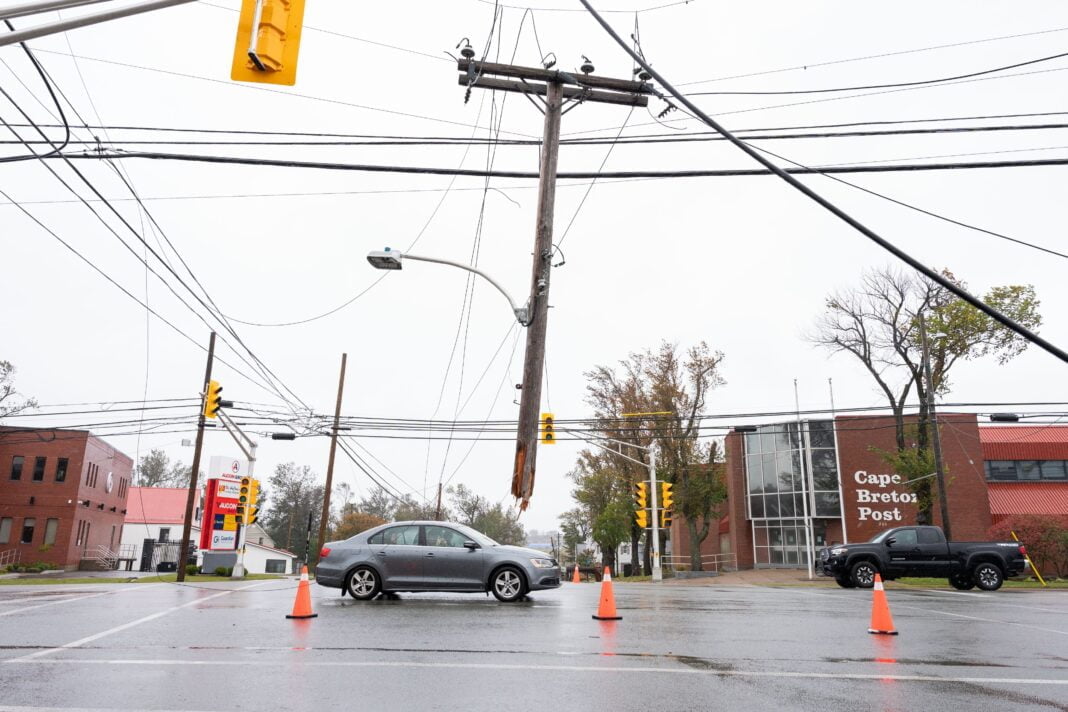
It has been over a week since hurricane Fiona hit Atlantic Canada and there are still thousands of customers without power. As people are focused on individual recovery, the Canadian Federation of Independent Businesses have said businesses now have to face their reality and have a long way to go for recovery.
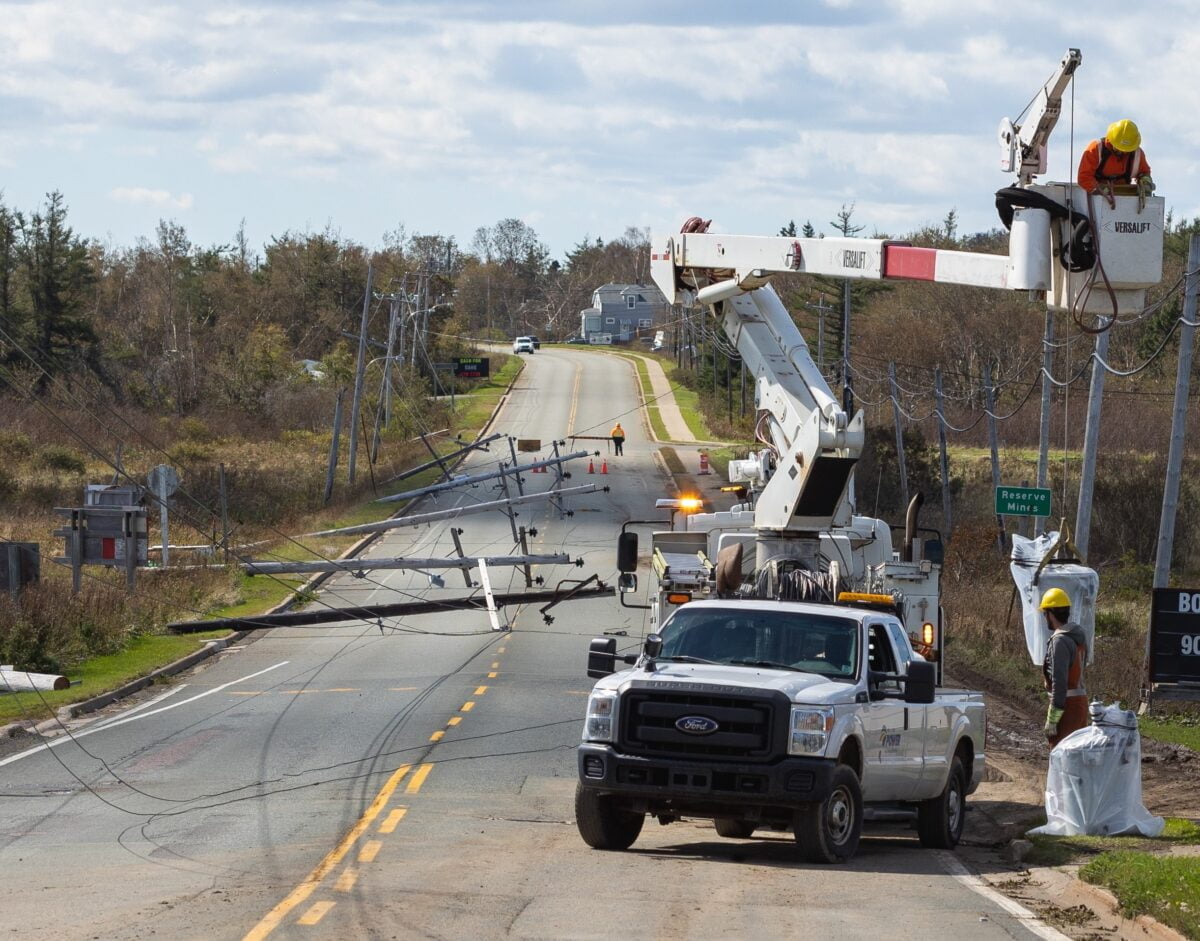
Fiona reached Atlantic Canada on September 23rd, causing power outages and damages throughout the East Coast – leaving homes and businesses without electricity for a few days or longer. Nova Scotia has also recently declared a state of emergency for some areas that were heavily impacted to help with clean up.
The CFIB has been around for 50 years in Canada, and it is the largest business group representing small businesses across the country. Louis-Philippe Gauthier, the Vice President in Atlantic Canada for the CFIB, has already seen the impact this storm has had for small businesses. The CFIB represents 95,000 businesses across Canada and 10,000 of those are in Atlantic Canada.
Businesses Still Not Fully Recovered from the Pandemic

“If you look at the state of businesses before Fiona hit, we still had 51 percent of our members not back to pre-pandemic levels, and we still have 65 percent of our members that have pandemic debts. So, for businesses right now, it would not have been a pleasant hit. Some businesses have closed for an additional week and after the last two and a half years, its hard for them and will not be an easy situation for businesses to find themselves in,” says Gauthier.
“With many businesses not having electricity, the impact was direct – the reality was they were just not able to operate,” says Gauthier. “Right now, I think 98 percent is fully plugged back in. Realistically, businesses finding themselves a long time without electricity has really hurt them and they are just losing revenue.”
Halifax Shopping Centre Closes and Gives Back to Community
The Halifax Shopping Centre is just one example of how the storm impacted businesses as it needed to close its doors for a day before the storm and two days afterwards due to safety and clean up.

“We ended up closing our doors for two days as well as before the storm to allow people to get home and to prepare. The Shopping Centre was without power for 24 hours and so during that time frame, we had our senior staff members remain onsite for security reasons and for monitoring the building overall,” says Stephanie Schnare, the Marketing Director of the Halifax Shopping Centre.
Schnare said after the hurricane, the team went outside to clean up and see if there were damages – which luckily, there were none to the mall. In addition, the mall brought in a beekeeper to check on the beehive that was brought into the Halifax Shopping Centre back in the Spring.
“Something new this year is we introduced a beehive to the shopping centre back in the Spring, so we had to have a beekeeper come in to make sure that the beehive was ready for the storm as well – which it did great, the bees weathered through it,” says Schnare.
Opening its Doors to the Community
Once The Halifax Shopping Centre opened again two days after the storm, they wanted to give back to the community by offering hot coffee and places where people could charge their phones.
“We were very lucky, I know a lot of individuals who received a significant amount of damage; however, in our area we did have some trees and debris with a lot of smaller branches. Our crew spent the day on Sunday cleaning up outside of the shopping centre but there was minimal impact to us which was a blessing,” says Schnare. “So, when we reopened on Monday, we were also able to provide some hot coffee to shoppers coming in who were still without power. Just little things to help and make a difference for people who are still without power and giving people the chance to charge their devices, access to Wi-Fi – we were just happy to be able to reopen so we could welcome members of the community in.”
The Halifax Shopping Centre also has partnered with the Red Cross to use social platforms to raise awareness of the fundraising effort so anyone who is willing to donate can to help those who were impacted by the storm. The fundraising is expanding to PEI and Newfoundland.
“Halifax is feeling a lot of community and a lot of compassion towards those who have been impacted right now. I think it is very telling of the East Coast that there were a lot of people offering other individuals without power a warm meal, hot coffee, a place to charge their phone, and to connect to Wi-Fi,” says Schnare.
Financial Help for Businesses
Gauthier said the government has deployed the Disaster Support Program to help those impacted. In addition, the government will also be providing a wage top up to help with cash flow for businesses. This was announced for PEI and in Nova Scotia.
“In some cases, that will be very helpful, but for some – it just won’t be enough,” says Gauthier. “Businesses will of course have to apply for insurance, but what is covered and what won’t be is another conversation and it really depends on what businesses have under their insurances. So, for us, we are waiting a few weeks before surveying our members on how the process of the disaster support is going.”
It was also just announced that Justin Trudeau is offering a Hurricane Nova Scotia Recovery Fund which will be 300 million, it is unknown as of right now about how or when people can start receiving funds but will certainly help the community. In terms of businesses bouncing back from Fiona, it will take some time and Gauthier said it really depends on what their conditions were like before the storm.
“Business owners are a very resilient bunch. When you see these storms occur annually, not at this level, businesses just have to cope with it. What else could business owners do other than just get ready and make sure they are secured for the next one.”
These types of storms like Fiona are hitting Atlantic Canada harder every year, and experts believe it will be the new normal for Atlantic Canadians and businesses will just have to continue to adjust: “the best thing we can do right now is to support Atlantic Canada businesses, continue to shop local, and support small businesses.”