Retail leasing in Vancouver continues to be robust with vacancies continuing to trend downwards and the expectations for the second half of 2022 continue to stay strong, as the retail market has been resilient throughout the summer months, says a new report by commercial real estate firm JLL.
Asking retail rents have stabilized over the summer but are expected to slightly rise over the following months. Due to the current tenant demand we are seeing, net rents are expected to feel slight upward pressure while vacancy rates decline even further,” said the report.
“The retail space has become even tighter as availability further drops from the previous quarter and developers postpone construction due to an increase in construction costs,” said JLL.
“Food services and bars have made a tremendous comeback over the summer and sales have been trending upwards . . . Enclosed malls are continuing to thrive with increased consumer confidence and a desire to be in a more social setting. In aggregate, sales per square foot in major malls have surpassed pre-pandemic numbers in Q2 2022. Completion of mall re-developments will further enhance the enclosed mall shopping experience.
“Mixed-use developments with retail components are occurring in the suburbs because of land shortages and the high prices in the city. These developments in the suburbs are being pre-leased at a quick rate, which is contributing to the decrease in vacancy.”
Trevor Thomas, Vice-President with JLL, said there has been an uptick in daytime population with many people returning to work in offices. What has also helped the retail market is the relaxation of travel restrictions and the return of cruise ships to the West Coast.
“The demand is outpacing supply which obviously puts upward pressure on rents. But one of the realities that a lot of the retailers that have been around for a while are facing today is these new market rents,” he said.

“There are a lot of retailers waiting on the sidelines waiting to jump in for the right opportunity and so it really doesn’t give these retailers much leverage with the landlords in their renewals.”
Thomas said the market is going to continue to stay strong.
“We’re going to start to see a lot more new to market retailers landing in Vancouver. We’re certainly on the map. It’s on the radar for a lot of brands that aren’t here or are looking to expand. I think we’re going to start to see a lot more of that,” he said.
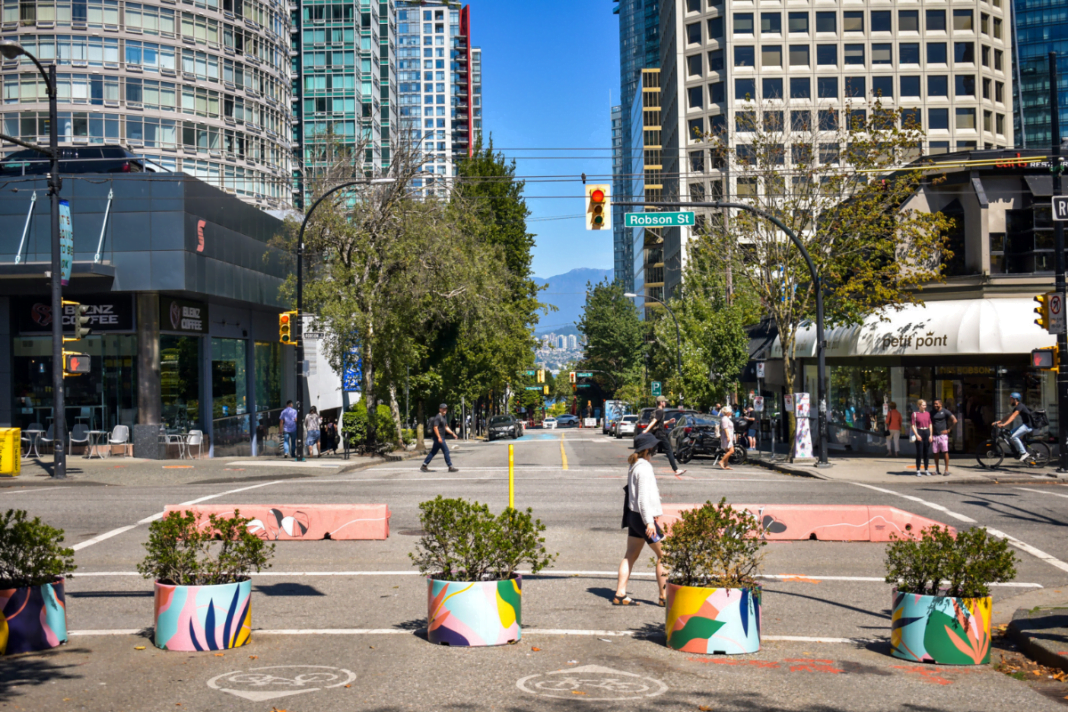
“I think we’re going to start to see a lot more off market deals with a lot of these pending natural expiries coming up. Retailers are pretty savvy of identifying places where they might be able to replace retailers. We’ve already seen that happening in the past quarter. We did a couple of off market deals on Robson Street.
“The vacancy in the last few years has only gone down. Vancouver kind of skated through this (pandemic). We didn’t have the mass closures and shutdowns. So the retailers on the street did well. There’s still a lot more vacancy in some of the enclosed malls, not necessarily the majors but in the B and the C malls.”
JLL said the trend to move in remains stronger than the trend to move out, as tenants are thoroughly searching for old and new vacant spaces to start their businesses.
“Interest rates are having a negative impact on construction as developers have put a pause on their development plans. As interest rates continue to rise, the costs for developers to take out construction loans also rise. This will put even more pressure on net rental rates in a retail market that is already seeing extremely low vacancies,” said the report.
“Demand for more talented employees is also leading to rising labour costs. These additional costs are being passed down by landlords to tenants, contributing to higher rents in new build retail assets.
“Desire for experiential retail has been increasing, as evidenced by the opening of a flagship store for Vancouver- based brand DUER. More consumers are looking to engage in retail that has some aspect of experience that will leave them with a lasting memory.”
JLL said the sales per square foot will continue to trend upwards through the end of 2022. Foot traffic should gradually approach its pre-pandemic level by the end of 2022, as shoppers become less hesitant to go to physical stores. As a result of consumers spending more time hanging out and browsing in the malls, sales per visit should drop down in the second half of the year.
“Compared with the pre-pandemic level, the vacancy rate has slightly risen, but remains relatively low. The vacancy rate is expected to decline as leasing activities and openings increase, especially for those shopping centres which are renovating and will attract more tenants,” added JLL.
“Landlords are taking actions to add stronger food operators, such as casual/fine dining restaurants and international brands, inside shopping centres to attract more traffic. Some of the shopping centres, including The Amazing Brentwood, Willowbrook Shopping Centre, and Oakridge Centre are redeveloping new concept food courts/halls by providing more seating, outdoor patios, multiple access points, and updating lighting and décor. The new Courtyard at The Amazing Brentwood will be a benchmark for food court renovations in Canada.
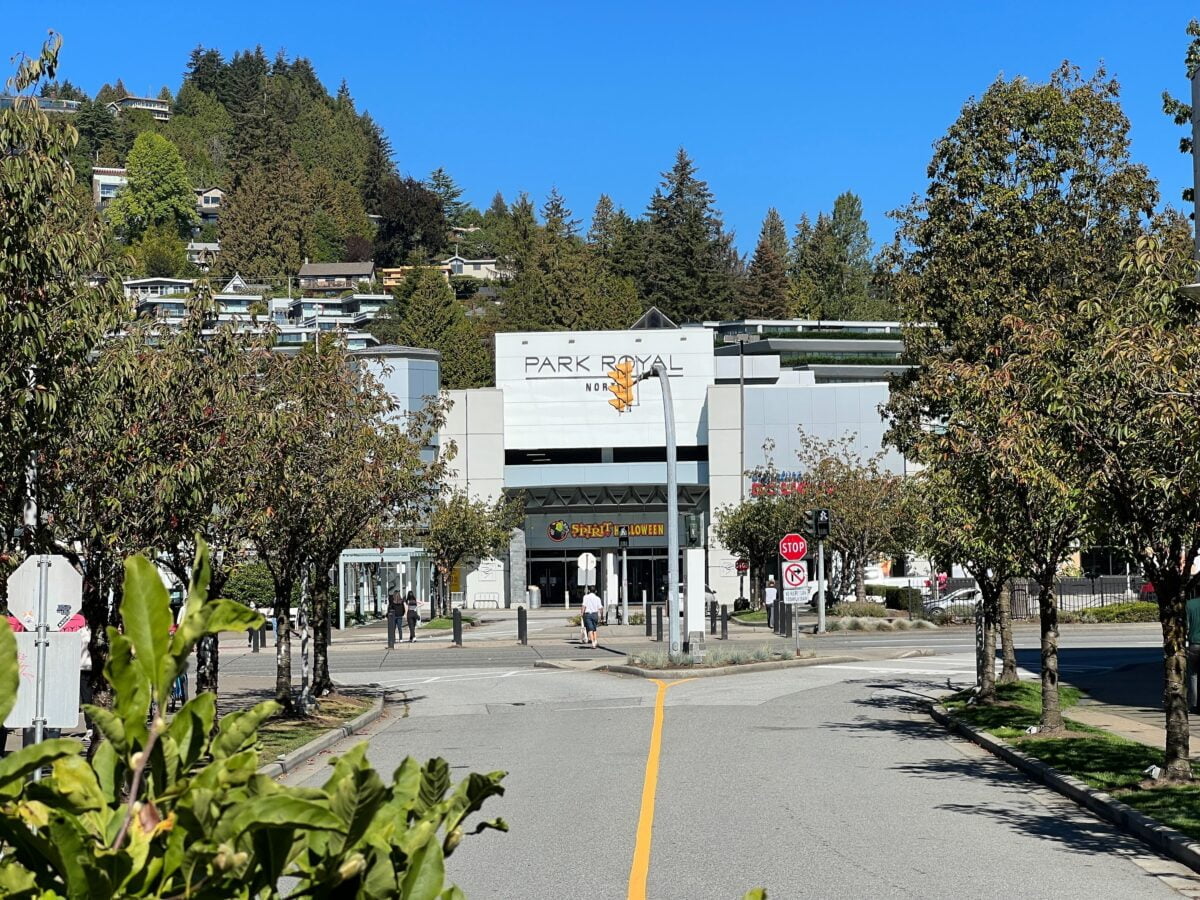
“The mixed-use redevelopment projects for some shopping centres are already in progress. The mixed-use project at The City of Lougheed is arguably the largest redevelopment with a retail component in Canada, with Phase 1 coming in 2023. The redevelopment of Oakridge Centre started in 2019 and is expected to be completed between 2024 and 2027. The construction at CF Richmond centre is in Phase 1. The two-tower mixed-use redevelopment project at Park Royal is in the pre-lease stage.”