Even during an unpredictable time with economic challenges, Canadians were out spending this holiday season.
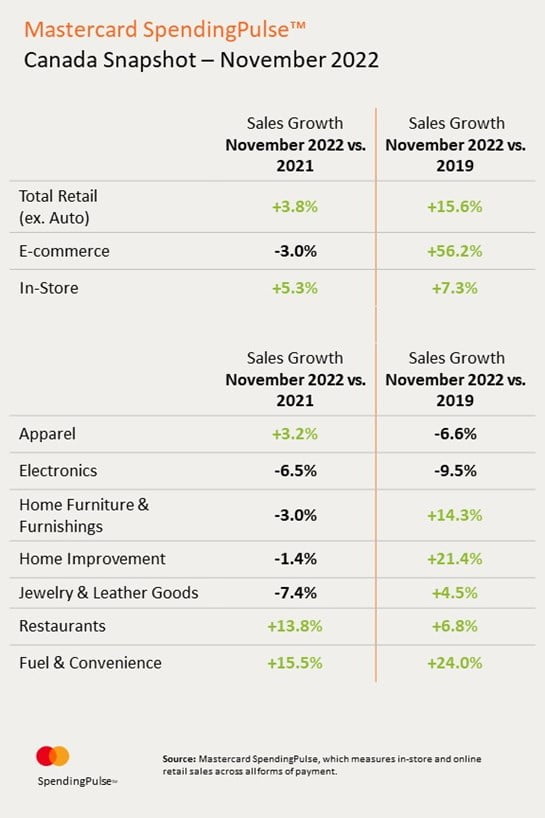
According to Mastercard SpendingPulse, which measures in-store and online retail sales across all forms of payment, Canadian retail sales, excluding automotive, increased 3.8 per cent year over year (+15.6 per cent year over three years) in November. While e-commerce sales were down three per cent year over year, growth remained strong since pre-pandemic at 56.2 per cent from three years ago. In-store sales in November were up 5.3 per cent year over year (+7.3 per cent YO3Y).
Canadian retail sales on Black Friday (November 25) were up 5.6 per cent year over year, with Apparel (6.6 per cent) and Electronics (5.8 per cent) among the sectors showing sales growth. In-Store sales saw an increase in spend at 7.5 per cent on Black Friday, indicating a strong return to in-person shopping this holiday season.
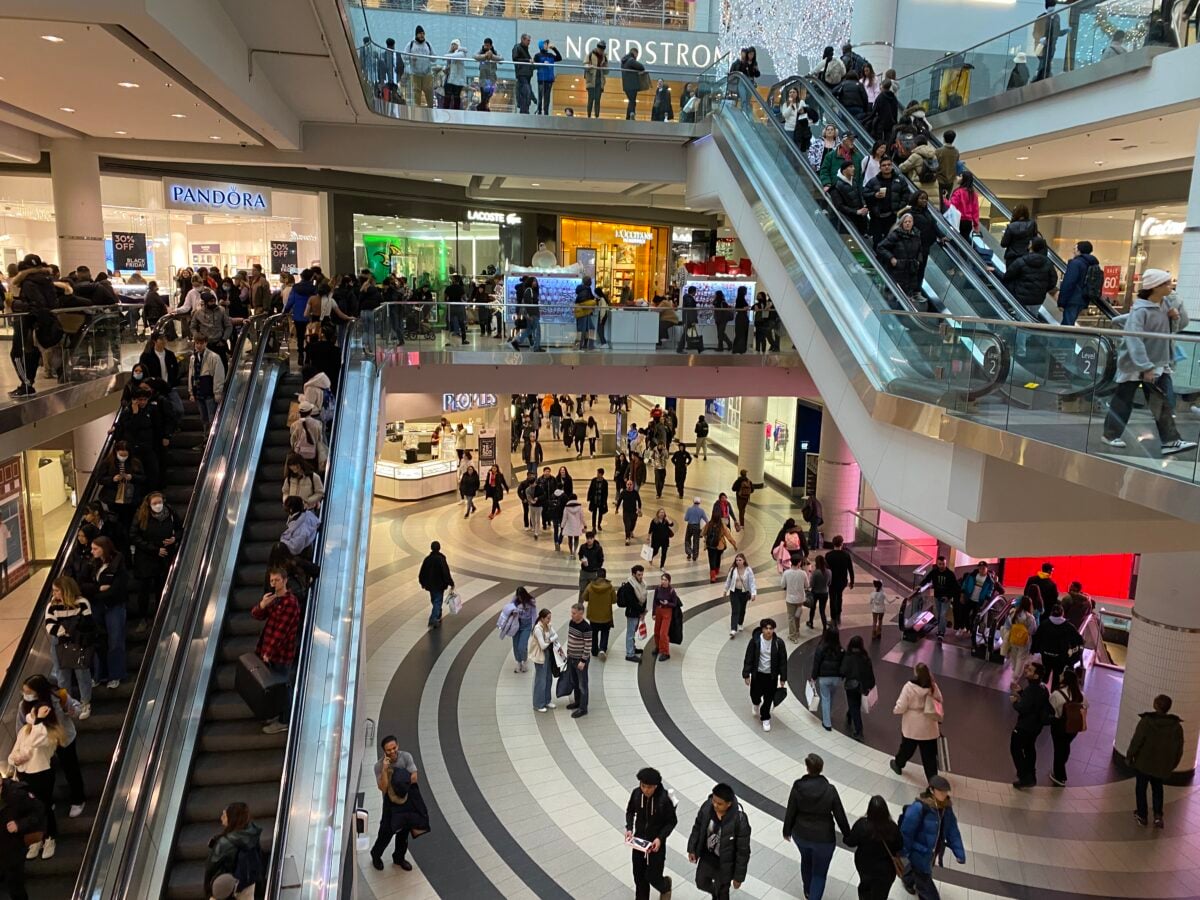
The Canadian numbers for December aren’t in yet but November was a good sign of what retailers in the country could expect for the holiday season.
“What we’re seeing is a Canadian consumer that is shopping but they’re being careful so that there are certain categories that are performing better than others,” said Steve Sadove, senior advisor for Mastercard and former CEO and Chairman of Saks Incorporated. “Experiences are driving behaviour. I believe value, given inflation and all the pressures on people, is (also driving behaviour).
“Categories that performed well early in the pandemic are slowing. So you see this reversion to the norm. The winners as we look at November, people are still going back to the stores. So you saw 5.3 per cent growth in stores. The overall growth at 3.8 per cent is a slowing growth. There’s no question it’s not at the pace of growth that we had seen earlier in the year. That is inflation is driven.
“And e-commerce is not growing as quickly as it was. You saw this massive spurt in e-commerce during the pandemic increasing more than 50 per cent. But now you’re not seeing as rapid a growth. It’s still an elevated level but it’s not at an accelerating growth level. I think the most interesting data through November is really the role that experiences are playing. Restaurants are growing at 14 per cent. So people want to get out again. Fuel is growing. Part of that is the rise in fuel prices but it’s also people getting out again and traveling.
“It’s a combination of the experiential and then you contrast with everything home related which is declining . . . Those are categories that fared very well earlier in the pandemic when you’re stuck at home. What do you do? You go buy a new television set or you’re fixing up your home with home improvements. That has passed and now you’re in this phase of the experiential.”
Sadove said it’s also the pattern being seen in the U.S. as well.
According to Mastercard SpendingPulse, U.S. retail sales excluding automotive increased 7.6 per cent year-over-year this holiday season, running from November 1 through December 24. Canadian data will be coming out in the near future.
“This holiday retail season looked different than years past,” said Sadove about the U.S. market. “Retailers discounted heavily but consumers diversified their holiday spending to accommodate rising prices and an appetite for experiences and festive gatherings post-pandemic.”
Sadove said the amount of sales during the holiday season in Canada is in some ways a back to normal environment.
“Last year you didn’t have enough inventory in the system. You had supply chain issues. The brands and the retailers ordered a lot more product this year. The supply chains loosened up. They also ordered more product in the categories that they thought were going to continue to grow but didn’t. So you see these declines in electronics, in home, in jewelry. They ordered too much of it even in certain areas. Apparel is not all the same. They ordered too much of athleisure, at-home, type products but not enough of the going out to the weddings and the social occasion apparel,” he said.
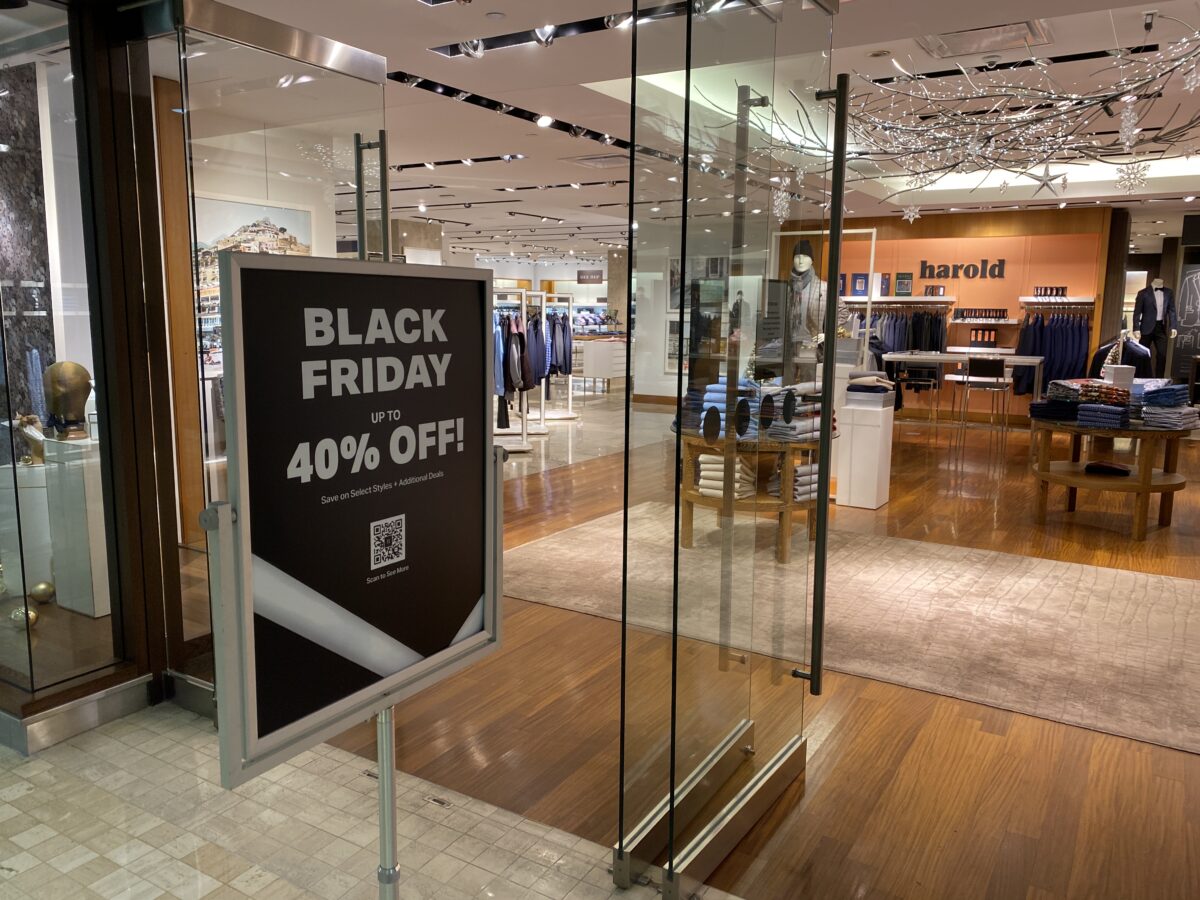
“So I think you’ve got too much product in the system that had to be cleared out. Fashion inventory is a wasting asset so it doesn’t get more valuable over time. I think the retailers decided they needed to clear out the system. So you saw accelerated discounts. I would call it earlier and deeper because of that and I would expect you’re going to see deep discounts right now Boxing Week to clear out the excess inventory.
“I’m guessing as you go into 2023 once a lot of this inventory clears there’s a lot more predictability, even though there’s a lot of uncertainty, I would anticipate that the retailers would be much more cautious as they’re buying 2023 so it will right size itself over time. But you’re still in this period right now of the retailers learning, and the brands learning, the changes in the consumer behaviour and the inventory is a result of that.”