What is the future of loyalty programs? According to Matt Crowell, the CEO and Founder of GetintheLoop, more brands will create and use their own loyalty reward programs instead of using multiple brand ones such as Air Miles, Aeroplan, or Scene amidst challenges.
“The whole landscape of loyalty programs is changing pretty quickly. I think consumers are going to see every brand try to develop their own promotions and loyalty strategies as every brand has a goal of trying to create their own loyal database and community of consumers and as things get better, brands will start to think more creatively – but right now, that is where brands are going,” says Crowell.
Leaders in Loyalty Programs
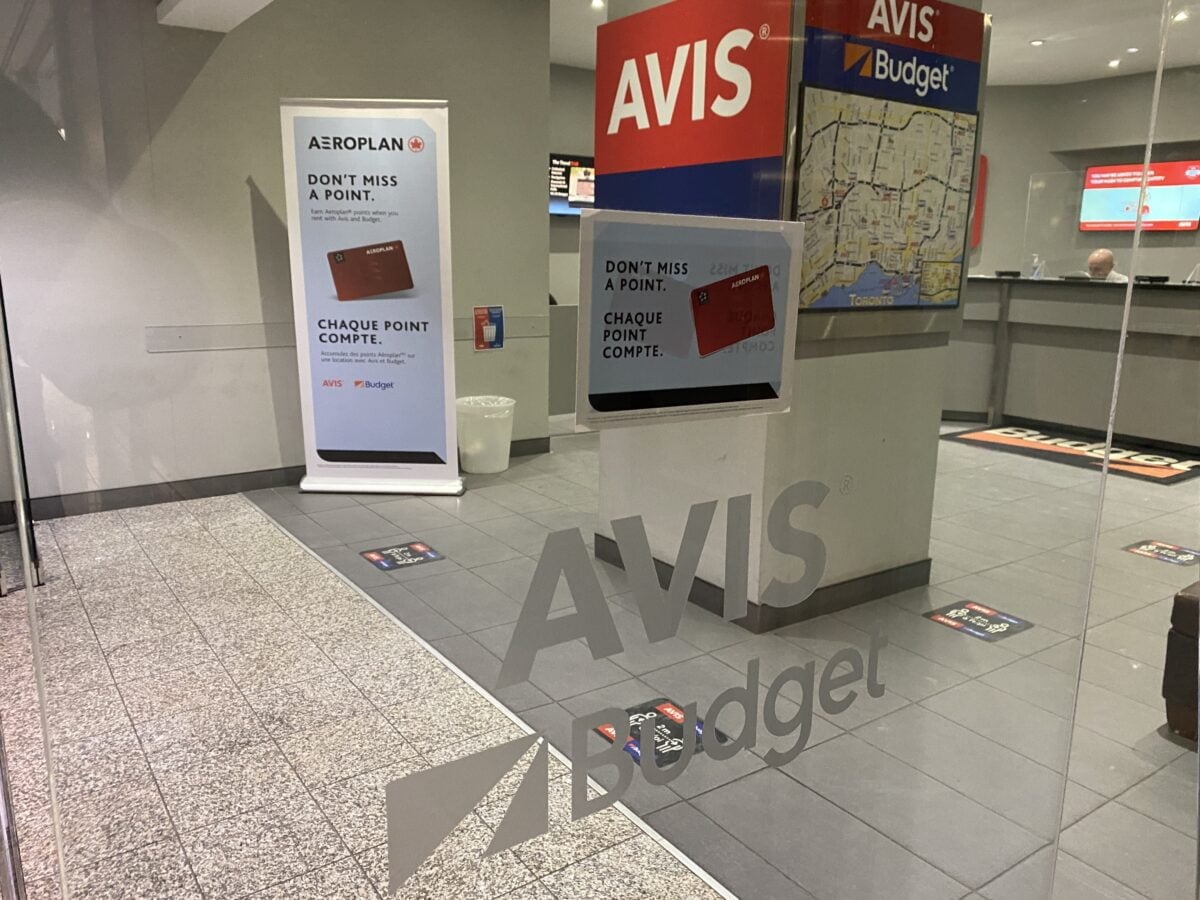
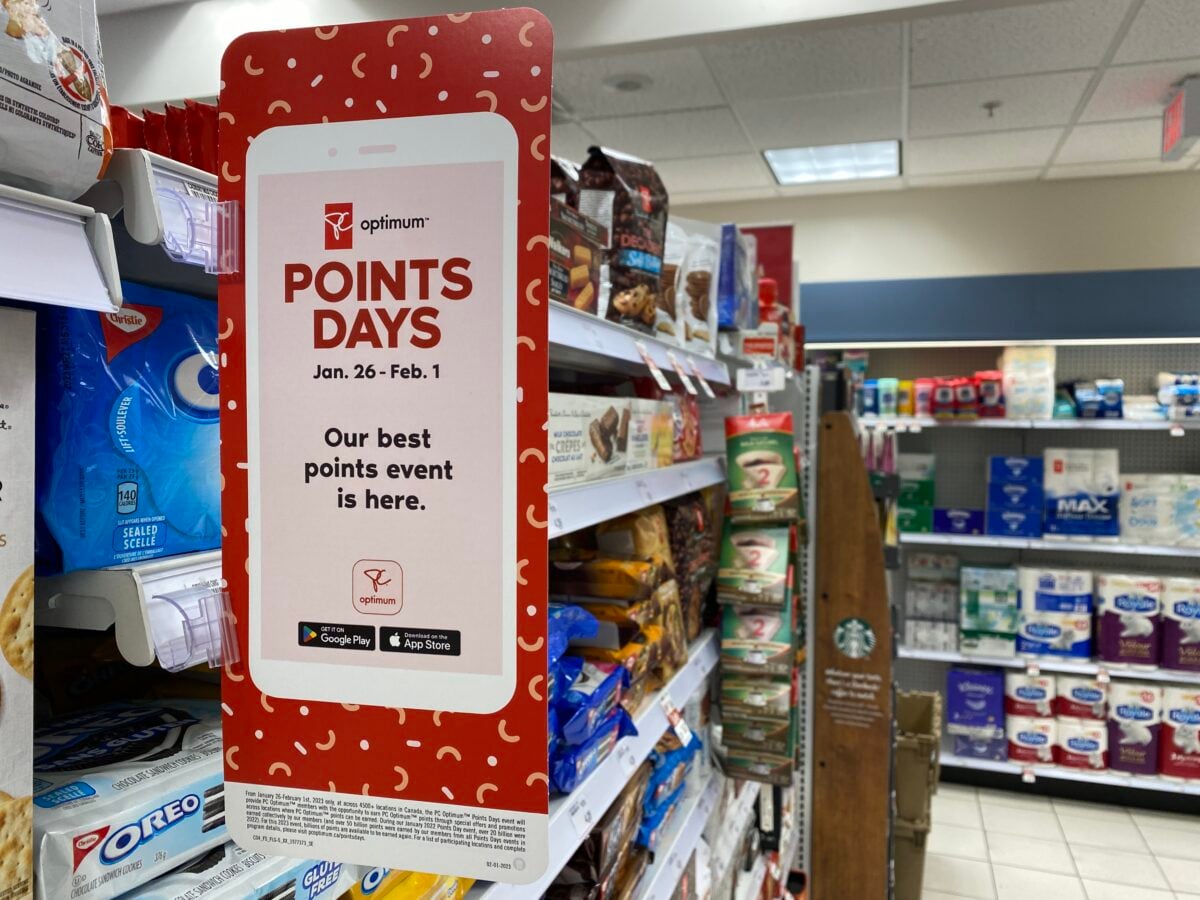
Earlier in loyalty plan programs, consumers have seen the larger companies take action, such as Air Miles, where every company joined one plan and the consumer had access to a lot of companies. However, Crowell says these point based systems have become overwhelming, making consumers confused on where, how, and when to spend their collected points.

“The challenges with the older ones are that we have so many Air Miles or Aeroplan points, but nobody spends them, nobody knows where to spend them, and eventually you stop pulling out the card because there is no point being loyal as you are no longer using the other side and I think that is where the fallout happens. It is not clear, tangible – the plan fails pretty quickly so we will be seeing less of these.”
For loyalty plans to be successful, Crowell says they need to be easy, accessible, close ranged rewards, and understandable. As programs like Air Miles use a variety of businesses – it might be unclear on how to use the points or what you will be getting; however, with individual loyalty programs such as Starbucks, it is a lot easier for the consumer to use and rewarding.
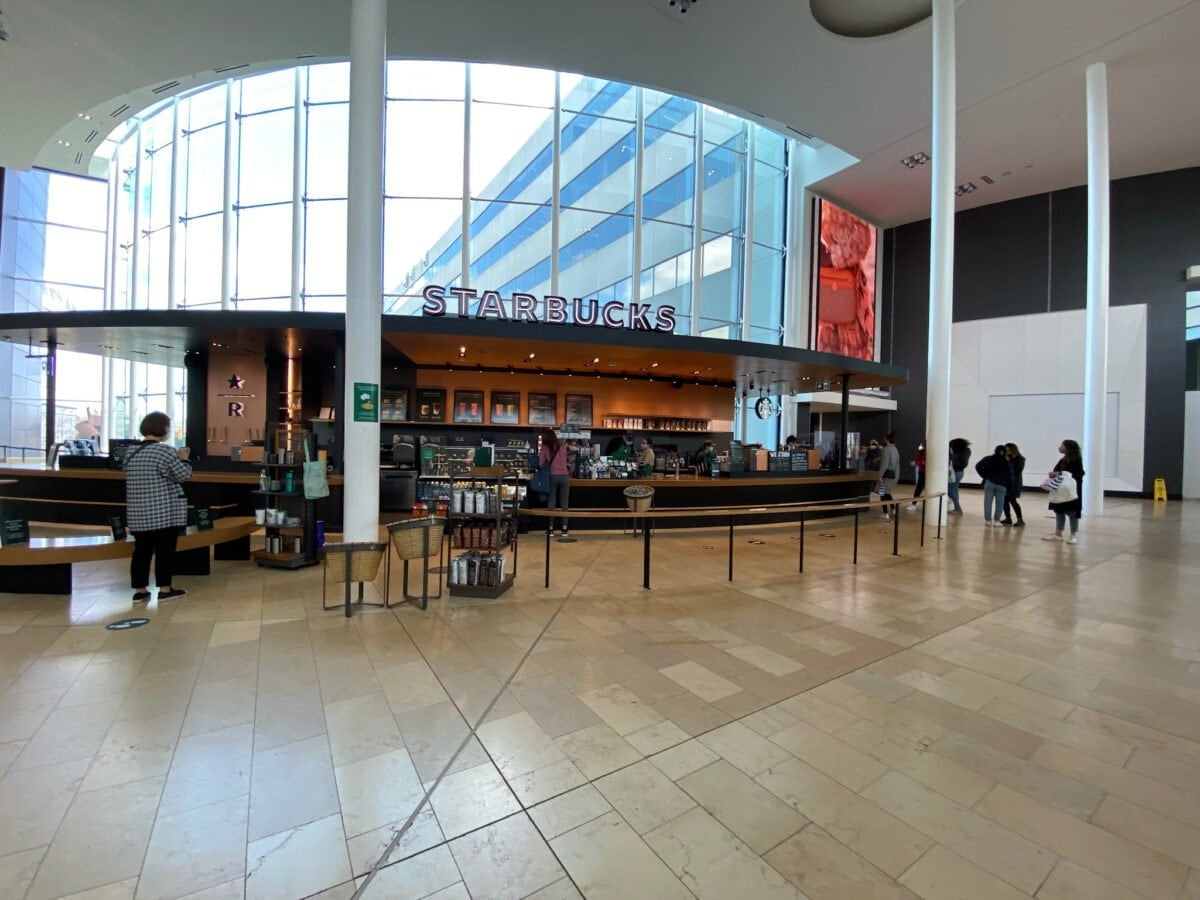
“I think Starbucks did it the best. Starbucks has created such a great loyalty program in that everybody wants a coffee everyday, the rewards are short sighted, and it is something that is relevant to someone’s day to day. It is such a big business that they can invest a lot so that is one of the challenges I think loyalty programs are going to have – it is expensive for a business.”
The Main Challenges of Loyalty Programs
It takes a lot of investment
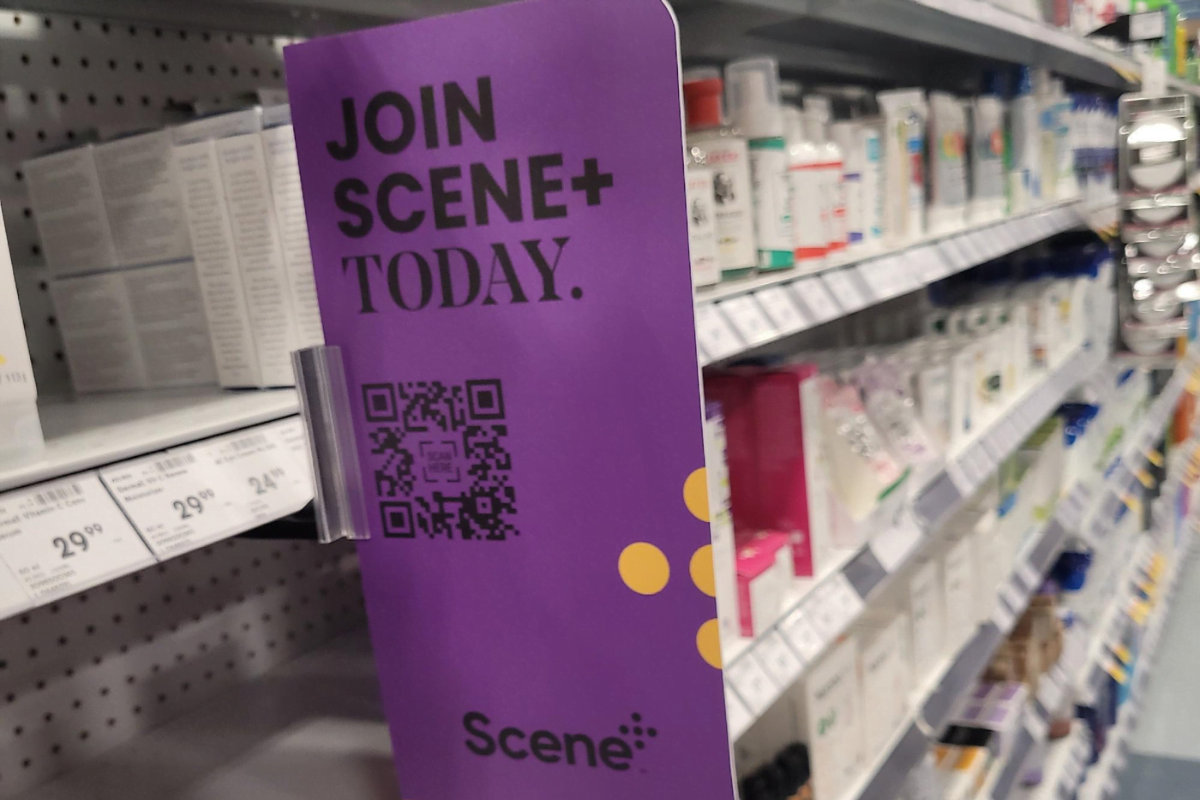
When brands join a loyalty program such as Air Miles or Scene, they get to be included in a program where someone else is investing in the strategy, the implementation, and the execution; however, Crowell said as consumers see businesses building their own loyalty programs – it is going to take a significant amount of investment, strategy, technology, and other things that the average retailer would struggle with – but it does not seem to stop them.
“The challenge I see with it is the amount of investment it takes to launch a loyalty plan, continue to upgrade, and to upgrade the technology it takes to have a great loyalty strategy. If a company is big enough and they can invest enough to actually put the right technology in place to succeed that is one thing – but I think most businesses do not have the guts or the investment they need to get a loyalty program off the ground in the right way themselves – it is hard.”
If a business wants to run its own loyalty program but does not have enough investment, Crowell says they can use simple methods such as sending out a highly engaged email as it is a cheap way to interact with consumers. Crowell also mentioned there are a lot of cheap software programs to start a loyalty program – “but a big part of it is the strategy and what you are offering people. So the execution is still going to be important.”
Execution – What Are You Offering and How?
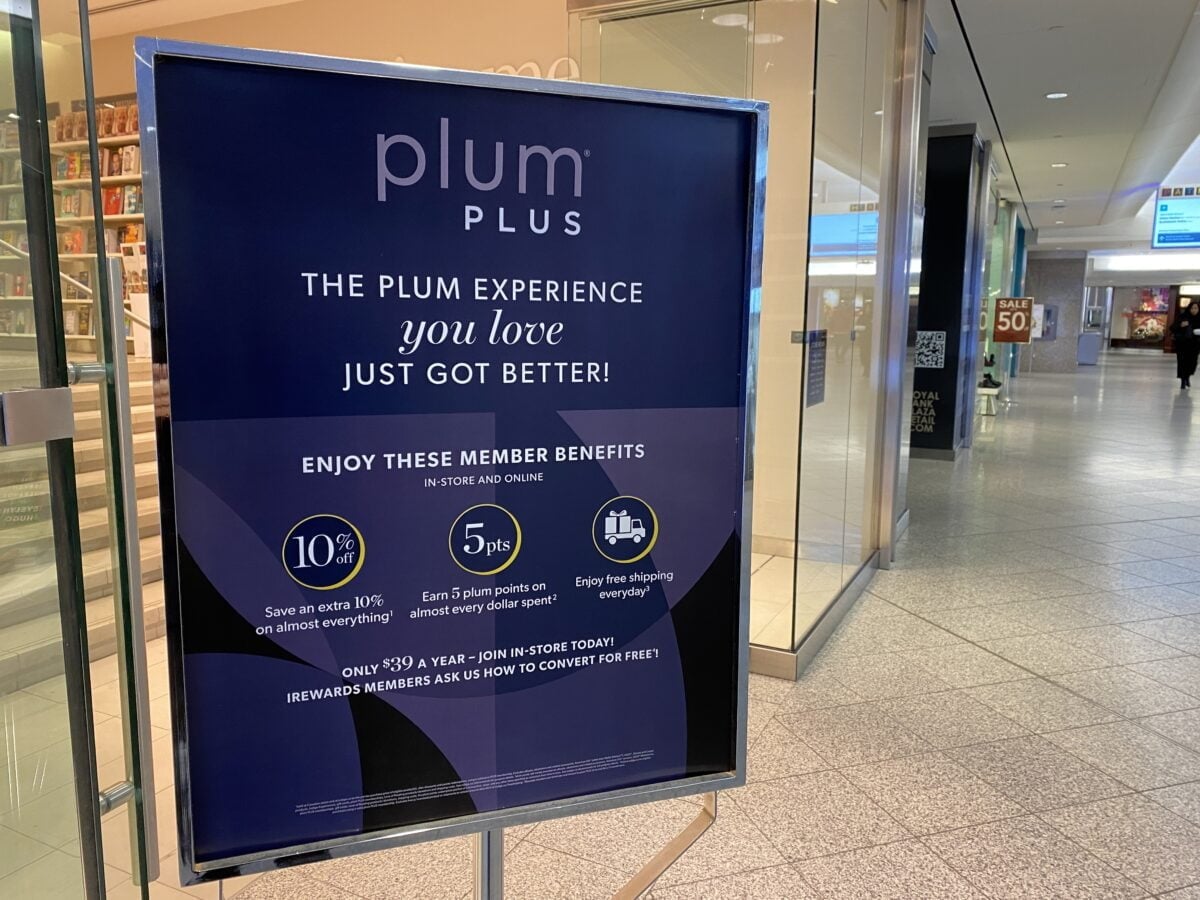
When it comes to a loyalty plan to be successful – Crowell said at the end, it all comes down to the execution, what rewards the consumer will see, and how accessible the reward is.
“When you look at the most successful, it is because they execute. Like you do not leave Starbucks without them asking you if you have a Starbucks card, and it is the same if you go to Canadian Tire or Sport Chek with Triangle Rewards.”
For a loyalty program to work, Crowell says the business needs to give consumers a good reason to join, such as providing a free coffee or discount and to keep consumers coming back – retailers need to keep rewards in close range.
One thing that fails in loyalty programs is offering rewards on products consumers do not purchase frequently, when the rewards are not frequent, and when it is not clear what the consumer will get.
“Whether brands offer rewards, gifts, or points – when it is a one to one brand, they need to be very clear to what those points get a consumer. You have to create a program that is natural and make it on things consumers are buying. Starbucks does not make it on stuff you do not buy and I think that is what you want as a business is to make your loyalty program all around the most repeatable purchase that happens in your business so that it is easy for consumers to engage with it and be reminded of it at all times. This works because the consumer knows what they will exactly get from the rewards.”
At GetintheLoop, Crowell helps businesses create promotions and loyalty programs that keep customers coming back. The company helps brands with enquiring about new customers, creating databases, and has created a digital punch card for rewards.
“The way that we do it is all based on product or services – you do not earn any points. If you think of an old punch card, imagine that but digital, so it is very clear about what you are getting. If you join a coffee shop’s reward program, you know what it is to buy five coffees and get the next one free and you work through the system and you get a reward every three to five purchases. You want to focus on the short window and make the reward quick in the first couple of weeks so consumers get used to unlocking those rewards and working through them, or – you just lose the consumer.”
Cowell recommends companies who are looking to bring their own loyalty programs to their consumers to keep it simple, low cost for the consumer, and have a small reward window to keep bringing consumers back.
“Investing in loyalty, although expensive and takes a lot of time, can be the most powerful thing a business can do. 80 percent of a lot of businesses revenue comes from 20 percent of their customers, so investing a lot in those 20 percent of loyal customers is almost more important than anything if you do a good job of it.”