

Tipping has long been an established and widely accepted social norm in North America. Although it is not required, many Canadians feel pressured to tip — even in situations when we are dissatisfied with food or service quality.
For many, deciding exactly how much to tip in a given situation can be uncomfortable. Two recent phenomena are exacerbating this and increasing tensions around the practice of tipping.
The first is an increase in tipping percentage, known as tip inflation or “tipflation.” The second is tip creeping, which refers to the increase in services that now expect a tip from customers. Both tipflation and tip creep are reigniting the conversation about tipping in Canada and drawing attention to how entrenched tipping is in North American culture.
Tip inflation
Before the COVID-19 pandemic, the standard tip percentage in Canada was between 15 and 18 per cent. Now, we are seeing tip prompts of 30 per cent and higher.
There is evidence that Canadians have started tipping more since the pandemic, as well. What is less clear is whether consumers are being pushed to tip more, or whether they are choosing to do so on their own.
Given the size of most restaurant transactions, the majority of them occur using a debit or credit card. The concern over the transmission of COVID-19 or other infections has increased the appeal of contactless or minimum contact payment. This provides businesses with an opportunity to prompt customers with an “acceptable” tipping amount through payment terminals.
These nudges are a way for businesses to frame choices to get a desired outcome. The payment terminals provide suggestions as to the amount to tip and make it easy to choose that amount. Choosing a different amount requires more effort and is, therefore, less likely to happen.
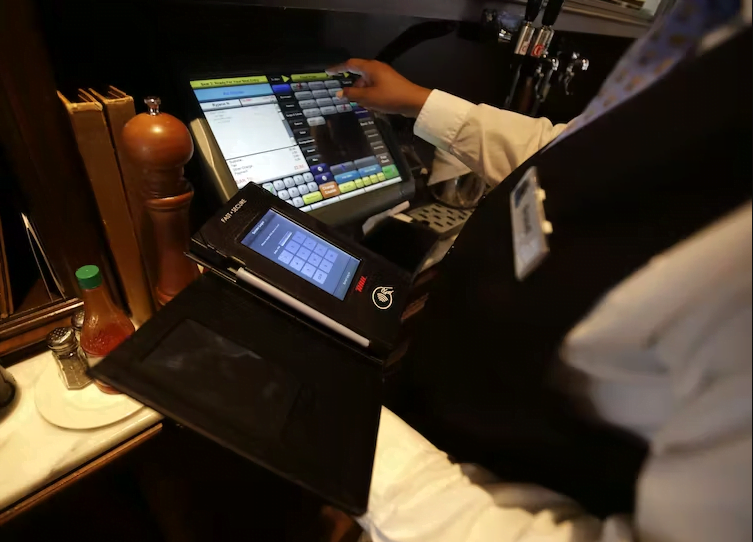
Nudging works, but it can backfire. A Harvard study found that higher default options led to higher average tips, but when the defaults were too high, a whiplash effect led to lower tips and negative feelings about the restaurant. Businesses need to be careful not to alienate their customers when doing this.
Nudges make tipping requests explicit, meaning customers are pressured into tipping, suggesting an expectation to tip, rather than a choice. This has the potential to induce feelings of guilt in customers.
Tipflation is also compounded by regular inflation. Restaurant prices increased by 7.7 per cent in Canada in 2022, meaning tips in the food industry are increasing substantially.
In the past, tipping percentages have been applied to the pre-tax amount. When you calculate a percentage yourself, you calculate the tip based on the pre-tax amount, but when using terminals, tips are calculated after tax. All of these factors are contributing to tip inflation.
Tip creep
At the same time as tip percentages are increasing, the types of businesses explicitly suggesting tips are expanding. Historically, tipping in North America has been reserved for restaurant serving staff, taxi drivers and hairstylists. Before point of sale terminals, you would occasionally see a tip jar on the counter at coffee shops, as well.
But now, other industries like fast food, retail outlets and even mechanics are offering tipping options on sales terminals to encourage — or pressure — customers into tipping.
Many auto industry insider blogs are also promoting tipping in an effort to normalize the practice in industries that have not historically been part of the tipping norm. Tip creeping can create both confusion and resentment in consumers.
The nudge towards tipping is not just happening on payment terminals, either. The freelance service platform Fiverr suggests a tip after delivery — work is paid for when it is requested. This creates uncertainty for customers.
Tip fatigue
Many Canadians are feeling tip fatigue from being bombarded with tipping requests more frequently. At the very least, tip fatigue means customers are leaving interactions that involve tipping with negative feelings. But at the worst, tip fatigue could cause customers to tip less or stop altogether. Those pushing to increase tipping risk alienating consumers who find the amounts and the range of services expecting tips too much.
As consumers, we should remember that we are in control. We choose when, where and how much to tip. While tipping is a social norm, no one should feel pressured to tip more than the standard percentage, if at all. If a business is prompting you with a tip percentage higher than you are comfortable with, you can always enter a custom amount that you feel is appropriate instead.
We can send a message that we won’t be pushed or guilted into tipping. We could even push for a model where customers only pay what the service is worth and businesses are required to pay their workers a reasonable wage, rather than forcing them to rely on tips to make a decent living.
By Michael von Massow, Associate Professor, Food Economics, University of Guelph
This article is republished from The Conversation under a Creative Commons license. Read the original article.





Two things come to mind for me. 1) When I place an order for Chinese food in my vicinity, & go to pick it up, there is a Tip Jar @ the register. The cashier goes to the kitchen, brings out my order, rings it up, & hands me the machine to “tap ” both order & Tip %. I do not pay for a person to walk 20 paces to bring my order! They did not cook it, but just brought it in from the kitchen. That is not a function requiring a tip, either on my bill or into a tip jar. 2) Any restaurant I frequent, I tip by the old standby ” cash ” depending on level of service. That eliminates the need for the prompting on the machine. My wife & I owned & operated 2 Stedmans stores in our area for over 38 yrs. We paid our employees a ” Fair ” wage, put up w/a lot of hassles, looked after unruly kids when mothers were trying on clothing, cleaned our washrooms when folks had accidents, etc, etc, & NOT ONCE did we ask for tips for ourselves or our employees. Its part of the cost of doing business! But to pay a tip for a person that correctly takes your order & then, doesn’t even cook it, but just brings it to your table, & expects a tip, is in my opinion ” far-fetched “. Pay your staff more, that solves the problem!