The eye-care industry is regarded as one of the healthiest and most durable retail sectors in the world. It has a predictable purchase cycle and is almost recession proof. That’s what’s made it so attractive for many investment firms over the last couple of decades with a great deal of consolidation within the industry from independents Optometric offices to optical stores, and the acquisition of some retail chains.
This industry has been through a number of changes. With the introduction of contact lenses and laser surgery all were thought to do away with eyewear. And then back in the late 90’s the industry started its transition in eyewear from being only function to fashion. Even online has not deterred consumers shopping in stores. Although the pandemic has a few now closing stores.
The Canadian marketplace has been benign competitively for well over a decade, there haven’t been many major threats over the years, there has always been enough for everyone. Needless to say, this retail/healthcare sector has had a great deal of consolidation again with no major impact, it has been a very orderly market. In many ways it has been a hospitable marketplace for competitors. Brands like LensCrafters, New Look and FYI Doctors have led the category and focused quite successfully on quality eyewear and eyecare.
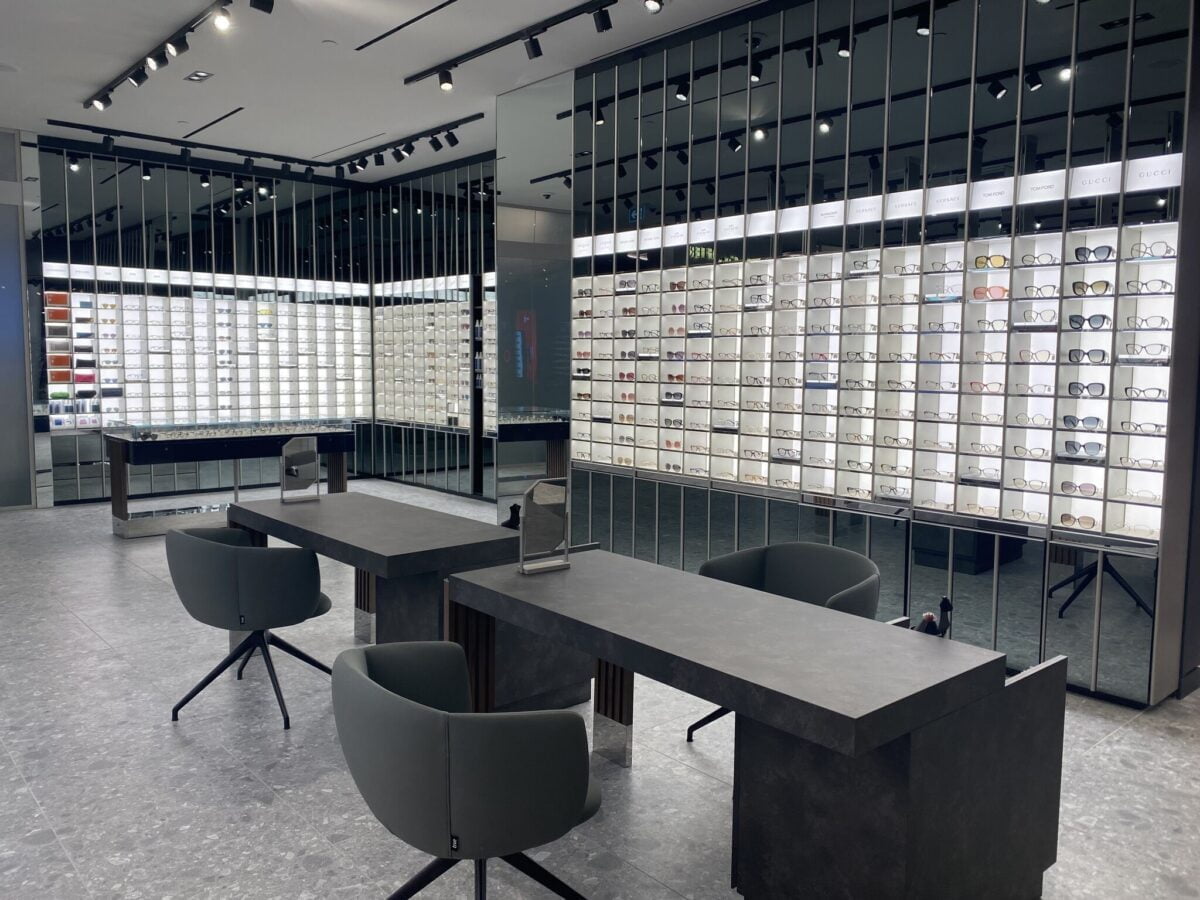
However, the Canadian market has encountered more competitors recently but nothing serious enough to change the landscape. Who are some of them? From Australia with Oscar Wylee and Bailey Nelson. And not to forget Warby Parker online and in stores and whole lot of others available online who have been operating for a while as well. And then a bigger announcement came along which was SpecSavers who entered Canada with a plan to open approximately 200 locations and many of us have been seeing those boarded up store fronts announcing their new locations more frequently.
This time things are a little different on a few fronts. My expectations are that many mistakes will be made by existing brands who will either dismiss the new level of competition or not do enough to respond to it. 2023 will be the first year of a true post pandemic marketplace coupled with inflation, higher cost of borrowing, price sensitive consumers and a potential recession.
Many of us in the industry are very well aware of SpecSavers, their offer, and the power of their marketing messages. They have changed the optical industry in many of the markets they’ve entered. Weaker and tired brands will struggle in this new environment. Many optical retailers large and small who have established their brands on service and product values will be challenged.
Resilience in this industry is a bit of a myth and usually works in a stable and competitively friendly marketplace. That’s what Canada had been for years. In fact, the last time a threat like SpecSavers came along was when LensCrafters entered Canada and introduced their one-hour service to manufacture your eyewear on site, it really upended the industry.
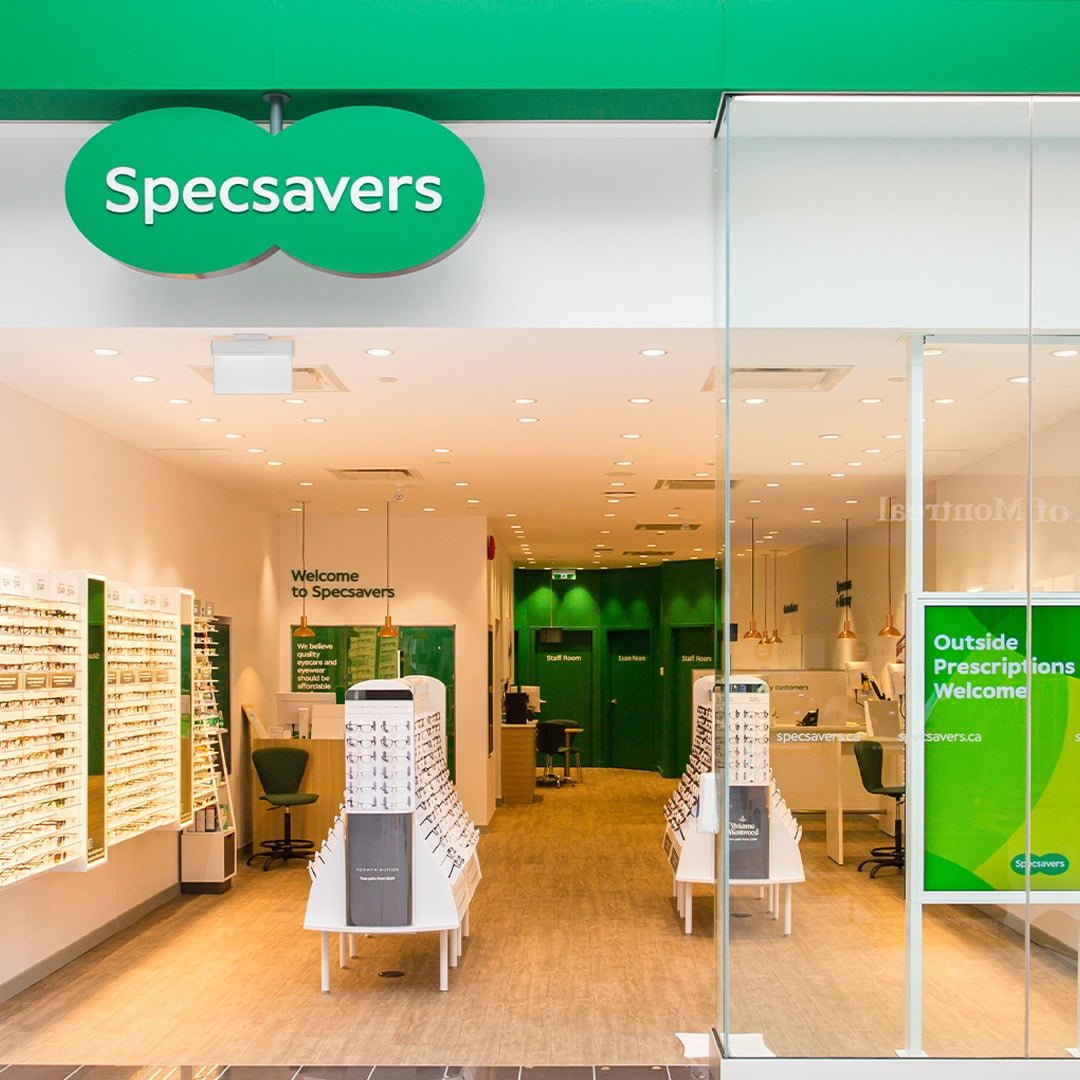
However, with SpecSavers it is a little different for the first time a physical retail chain enters the market to tell Canadians you can have fashion for your eyes at an affordable price. There are other discounters in the market but none as effective in their branding and messaging. Which has been very successful in markets that they’ve entered.
To be fair the lowest price is not always the best eyewear choice. In fact, not all eyewear and lenses are created equal in quality and performance. Especially when it comes to picking the right frame and lenses with the needs of defined by a prescription. And for those that are new to this category, few humans have the same prescription in both eyes. The right eyewear and lenses matter a lot!
How will optical chains react to this new landscape? Keep in mind that SpecSavers won 40% market share in Australia. Therefore, initially by way of tactics everyone will have their best shot out of the gates early with discount offers and I expect a lot of price matching and messaging to that effect. This will be the wrong response. Effectively heavy discounting will tell consumers they have been overcharged in the past.
With my past corporate experience and work with Private Equity firms, I can say with conviction that not all optical players are as sophisticated at winning in this kind of environment. Here are my top four priorities for anyone in this industry to win in this landscape.
- The first is the strength and resources of the leadership team to respond to a changing competitive landscape. Experienced talent matters.
- Second, the ability to introduce and execute the right strategies. This is where many fail.
- Third is the customer/patient experience. In this convenience driven consumer economy, the overall service process is time consuming in this industry and needs to be reinvented. It is time to invest in technology to enhance that experience. And no online eye-exam appointments are not revolutionary.
- Fourth, define your brand values and attributes to consumers, what differentiates your brand? And deliver on it!
In closing, this retail space is prime for disruption both technologically and competitively. I can’t emphasize enough the importance to innovate and respond effectively to changing demographics and competition. Things will be very different going forward.

George Minakakis is the principal of Inception Retail Group Inc. Author of The New Bricks & Mortar Future Proofing Retail.