The Competition Bureau is making recommendations to promote competition in Canada’s grocery industry – actions that would encourage lower prices and more choice for Canadians.
The Bureau, on Tuesday, said grocery prices have increased at their fastest rate in more than 40 years, and Canadians are feeling the pinch.

It published its market study report Canada Needs More Grocery Competition which recommends that all levels of Canadian government act to increase competition in the grocery industry.
“As we have witnessed the highest cost-of-living increases seen in a generation, Canadians are recognizing the relationship between a lack of competition and rising prices. By acting now, governments at all levels can take steps towards creating a more competitive grocery industry. Competition can help lower prices and make life more affordable for Canadians,” said Matthew Boswell, Commissioner of Competition, in a statement.


The report makes four recommendations to governments to meaningfully improve competition in the grocery industry:
1. Create a whole-of-government strategy to support the emergence of new types of grocery businesses;
2. Encourage the growth of independent grocers and the entry of international grocers;
3. Introduce accessible and harmonized unit pricing requirements to empower consumer choice; and
4. Limit the use of property controls that make it difficult for new grocery stores to open.
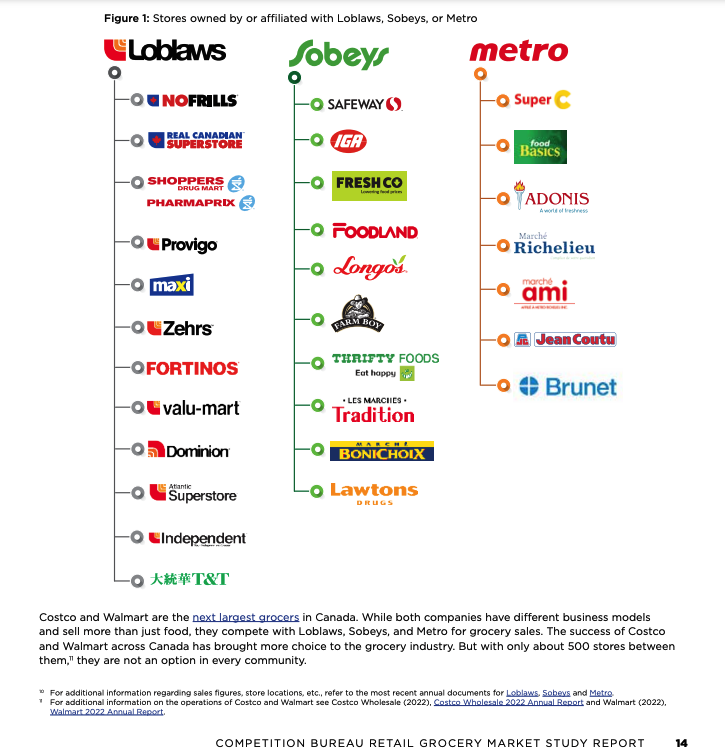
“Canada’s grocery industry is concentrated. Most Canadians buy groceries in stores owned by a handful of grocery giants. In 2022, Canada’s three largest grocers—Loblaws, Sobeys, and Metro—collectively reported more than $100 billion in sales and earned more than $3.6 billion in profits,” said the report.
“For new players and regional independents, the Canadian grocery industry is tough to break into. Canada is a big country and opening new grocery stores is expensive and difficult. The industry’s big players operate thousands of stores and are well entrenched in the shopping habits of Canadians.
“In recent years, industry concentration has increased, and it has become more difficult than ever for businesses to enter, expand, and compete effectively. Furthermore, the price Canadians pay for groceries has been rising fast. Factors such as higher input costs, Russia’s invasion of Ukraine, and supply chain disruptions have contributed to recent increases in the price of food. But we have also seen a longer-term trend that pre-dates those events, of Canada’s largest grocers increasing the amount they make on food sales.”
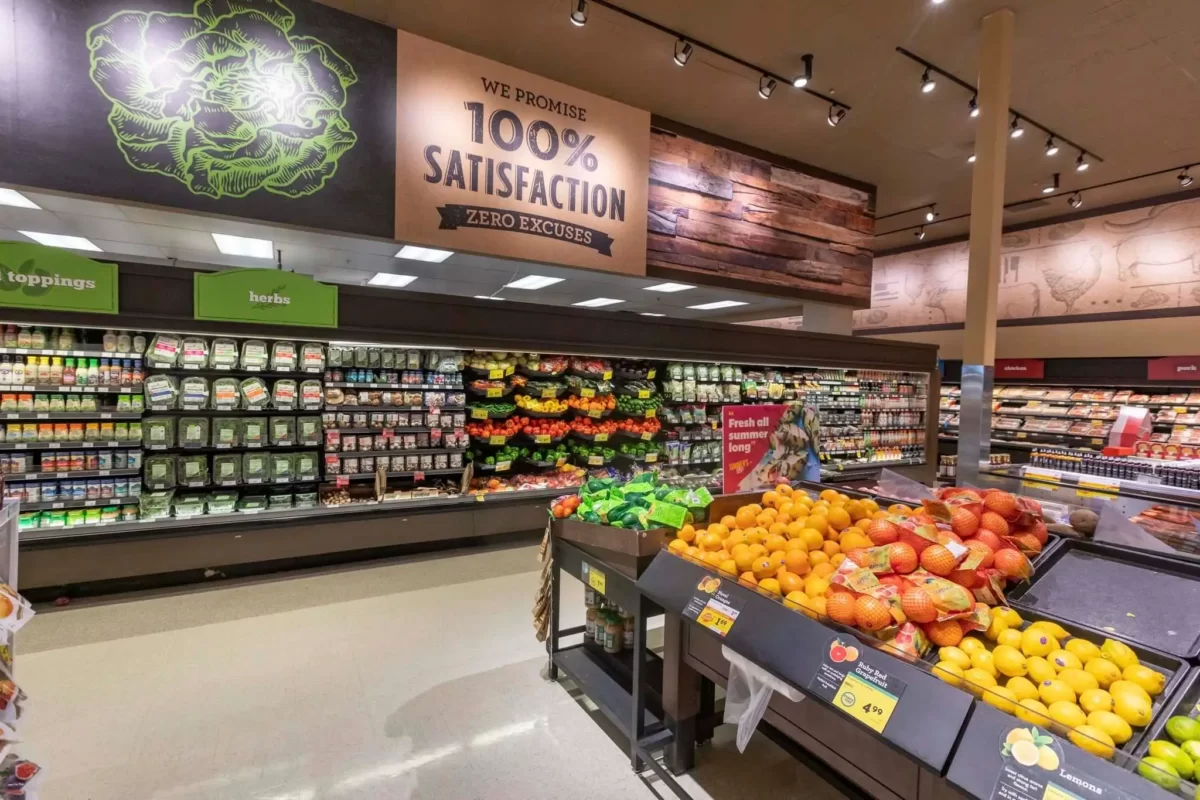
The report said Canada needs solutions to help bring grocery prices in check. More competition is a key part of the answer.
The Bureau launched its Retail Grocery Market Study on October 24, 2022. The study examined various issues with the goal of recommending measures that governments can take to help improve competition in the sector.
“With inflation on the rise, Canadian consumers have seen their purchasing power decline. This is especially true when buying groceries. In fact, grocery prices in Canada are increasing at the fastest rate seen in 40 years,” said the Bureau at the time.
“Many factors are thought to have impacted the price of food including extreme weather, higher input costs, Russia’s invasion of Ukraine, and supply chain disruptions. Are competition factors also at work? To find out, the Bureau will study this issue from now until June 2023.”
The study examined three main questions:
1. To what extent are higher grocery prices a result of changing competitive dynamics?
2. What can we learn from steps that other countries have taken to increase competition in the sector?
3. How can governments lower barriers to entry and expansion to stimulate competition for consumers?
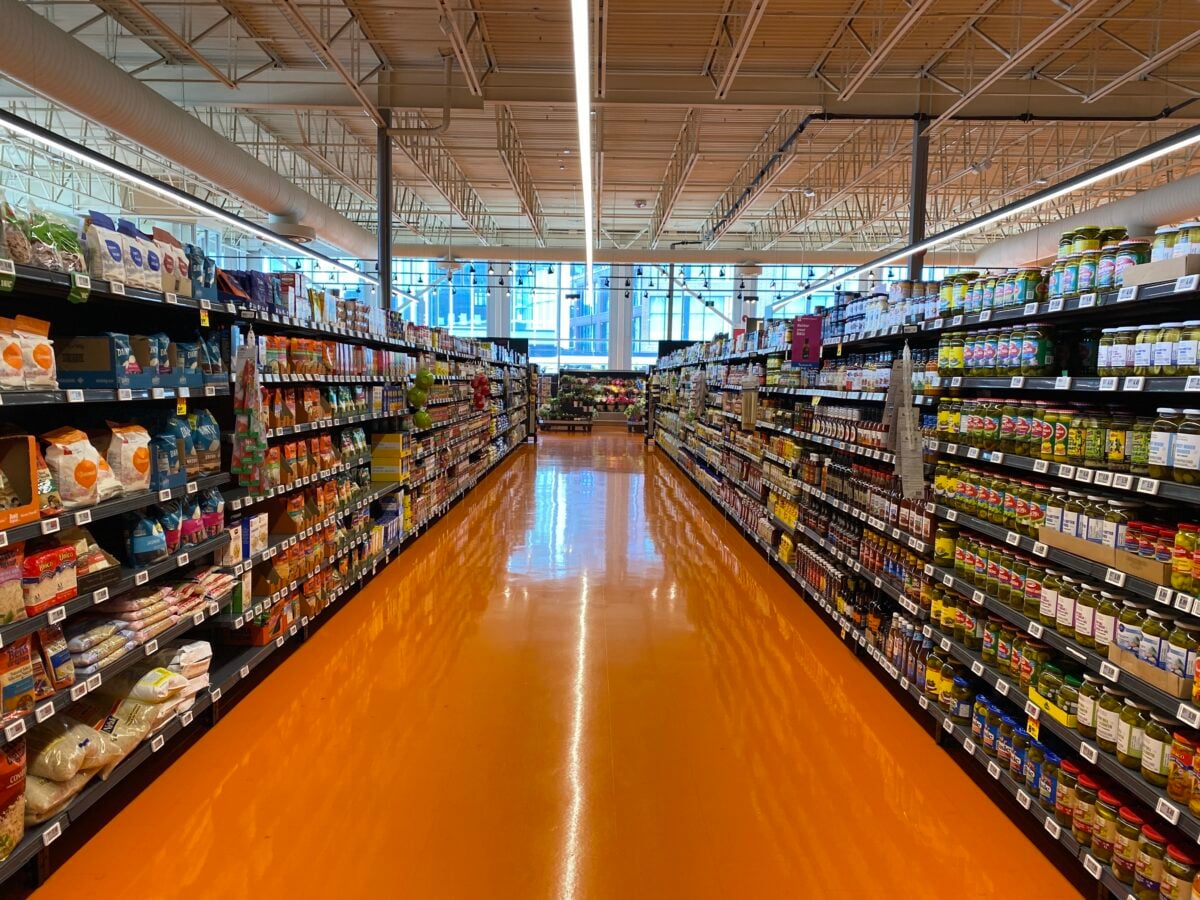
On Tuesday, the Bureau said it also needs to approach its work in the grocery industry with heightened vigilance and scrutiny to ensure that Canadians benefit from greater choice and more affordable groceries.
“We need to thoroughly and quickly investigate allegations of wrongdoing, and we need the power to act when issues arise. Therefore, in addition to the above recommendations for governments across Canada, the Bureau commits to taking the following three steps to better promote competition in the Canadian grocery industry:
1. Approach our work in the Canadian grocery industry with heightened vigilance and scrutiny.
2. Provide a pro-competitive perspective to support the implementation of Canada’s grocery code of conduct.
3. Revisit the findings of this study in three years to assess progress on recommendations made to government,” it said.
“Change will take time. These solutions will not bring Canadians’ grocery bills down immediately. But by acting now, governments at all levels can take steps toward creating a more competitive grocery industry in Canada.”