

The outcome of the Metro labour dispute will undoubtedly exert a profound influence not only on the Metro grocery chain but also on other grocers throughout the country.
The labour dispute currently unfolding at Metro’s 27 grocery stores in the Toronto area has emerged as a pivotal focal point in the ongoing struggle for worker rights and equitable treatment within the food retail industry. With an impressive workforce of 3,700 dedicated employees engaged in strike action, this conflict has already garnered considerable attention from scholars, policymakers, and the public alike. Beyond its immediate ramifications, the resolution of this dispute possesses the potential to reverberate across the entire Canadian grocery sector, thereby establishing a precedent for the broader frontline food industry.
At the crux of the matter lies the collective aspiration of the workforce to negotiate improved working conditions, just wages, and enhanced benefits. However, such a plea is far from simplistic within the confines of a low-margin business environment. The issues raised by the union reflect systemic challenges afflicting numerous frontline workers operating within the sector. Amidst the mounting cost of living and economic uncertainties, employees are earnestly endeavoring to safeguard their rights and livelihoods, and their demand for fair treatment is both rational and justified. Who, indeed, could contest such a noble pursuit?
Adding fuel to the motivation of union workers to strike is the recent disclosure of hefty bonuses bestowed upon grocery executives in recent months. As per company documents disclosed earlier this year, the total compensation for the top five Metro executives for the year concluding in September 2022 amounted to a staggering $13.2 million, signifying a four per cent upsurge from the previous year’s equivalent period. Notably, the bonus component of their compensation witnessed an astonishing 13.7 per cent escalation, reaching a sum of $3.7 million. This disparity equates to a stark $1,000 for each employee currently partaking in the strike. Comparable announcements of corporate bonuses by other grocery retailers have elicited disapproval from both Canadians and grocery employees alike.
It is noteworthy that most employees at Metro have, in the past, received bonuses in the form of gift cards, typically amounting to $300 for full-time workers. While such a gesture may be perceived as commendable, it also raises concerns about the potential self-serving nature of these rewards, considering they emanate from one’s own employer.
An intriguing aspect of this dispute lies in how union workers have, to some extent, undermined their own union leadership. Despite the latter’s acceptance of Metro’s offer, the workers themselves outright rejected it, citing a significant gap between the perception of acceptability by union leaders and the actual desires of the union workers. A similar scenario unfolded at ports in British Columbia, which have also been grappling with labour issues since the end of June, focusing on matters of salaries and concerns about automation potentially displacing human workers. These occurrences signal a broader trend.
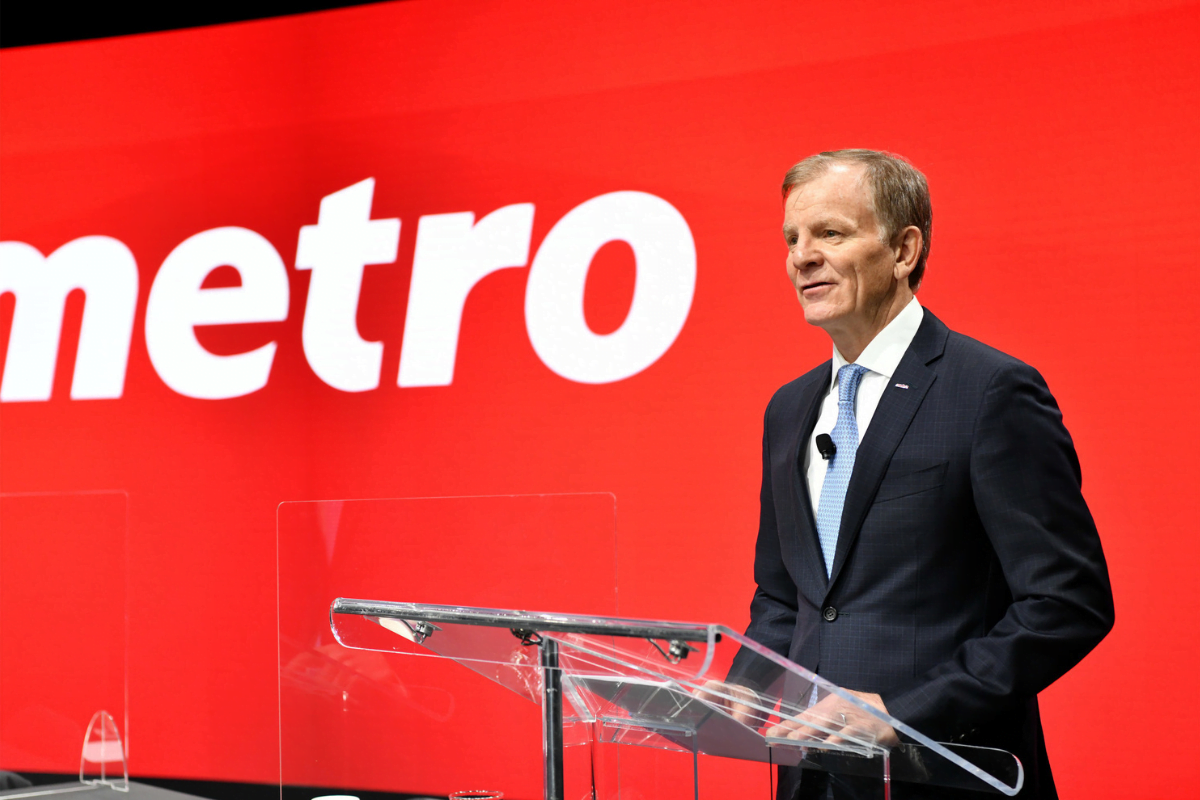
Undoubtedly, Metro acknowledges the indispensable value of its frontline workers in their indispensable contributions to maintaining the supply chain and guaranteeing consumers’ access to vital goods, particularly during the pandemic when their unwavering dedication and service came to the fore. Nevertheless, these efforts are frequently undervalued in terms of compensation and job security. Despite a substantial proportion of these positions being occupied by young students or individuals seeking supplementary income, the industry is not renowned for providing ideal and desirable working conditions. It may be time to contemplate novel approaches to the management of grocery stores.
Metro’s current business model inherently poses challenges to accommodating higher wages and nurturing career-building positions at the store level without reducing the number of employees. For instance, to implement a 10% increase in salaries without impacting retail prices, the workforce would need to be reduced to below 50 employees, at a minimum. This scenario necessitates the incorporation of automation and artificial intelligence, consequently transforming the nature of numerous jobs within the industry. Worth noting is Metro’s vast presence, with over 325 grocery stores and more than 600 pharmacies across Eastern Canada, making it a prominent player within the sector, despite not being the largest.
The outcome of this labour dispute will undoubtedly exert a profound influence not only on the Metro grocery chain but also on other grocers throughout the country. A triumph for union workers could embolden frontline employees in other sectors to advocate for their rights, thus potentially setting in motion a chain reaction that could reverberate across the entire retail industry.
Regrettably for grocers, the optics of the situation are not in their favor. Frontline grocery workers currently possess considerable political capital, and they are well aware of this fact. Although most Canadians may not be acquainted with Metro’s CEO, they certainly recognize and appreciate the dedicated individuals such as Jim, Carrie, or Tom, who attentively serve them during their visits to the grocery store. These personal connections carry significant weight, particularly in contemporary times.










The strike would have worked better had there been just one union, and all the stores were on strike.
I believe (it was still the case at some point) — that the legacy A&P, legacy Miracle Food Mart and legacy Dominion contracts all expired separately in Ontario. Unsure of the reality of the situation within Quebec — or if some of those Ontario work groups have been amalgamated at the bargaining unit level.
I believe the grocery workers deserve more money
the Metro at Danforth in Victoria Park they work like slaves unbelievable
Metro should be glad they have these people and treat them better
I wholeheartedly agree with the strike Metro has to pay the people what they’re worth
I’ve been an employee of A & P / Metro for the last 42 yrs. It is true the front line in-store employees are the bread & butter of the retail business. We are the ones who make the millions in sales by making the products available for purchase in the stores. Cudos to Mr. Charlebois for shedding some light on the workers and not just enlightening the prosperous state of the business!