

Canada’s luxury retail market has seen a significant increase in interest over the past 24 months from international retailers, many of which had already established roots in this country, says Casdin Parr, Vice-President of Retail Advisory Services for commercial real estate firm JLL.
“They’re looking to reinforce and expand. We also have a number of new entrants into the marketplace at the same that may have been considering Canada over the years but have finally been ready to take the jump into the Canadian marketplace,” he said.
“I think what’s been interesting for retailers amongst many things is that Canada is a relatively new luxury market by the global luxury sphere. I think they still feel there’s untapped potential, primarily in the three major markets being Toronto, Vancouver and Montreal. And obviously there’s some mix in there like West Edmonton Mall and in Calgary Chinook Centre as well.”
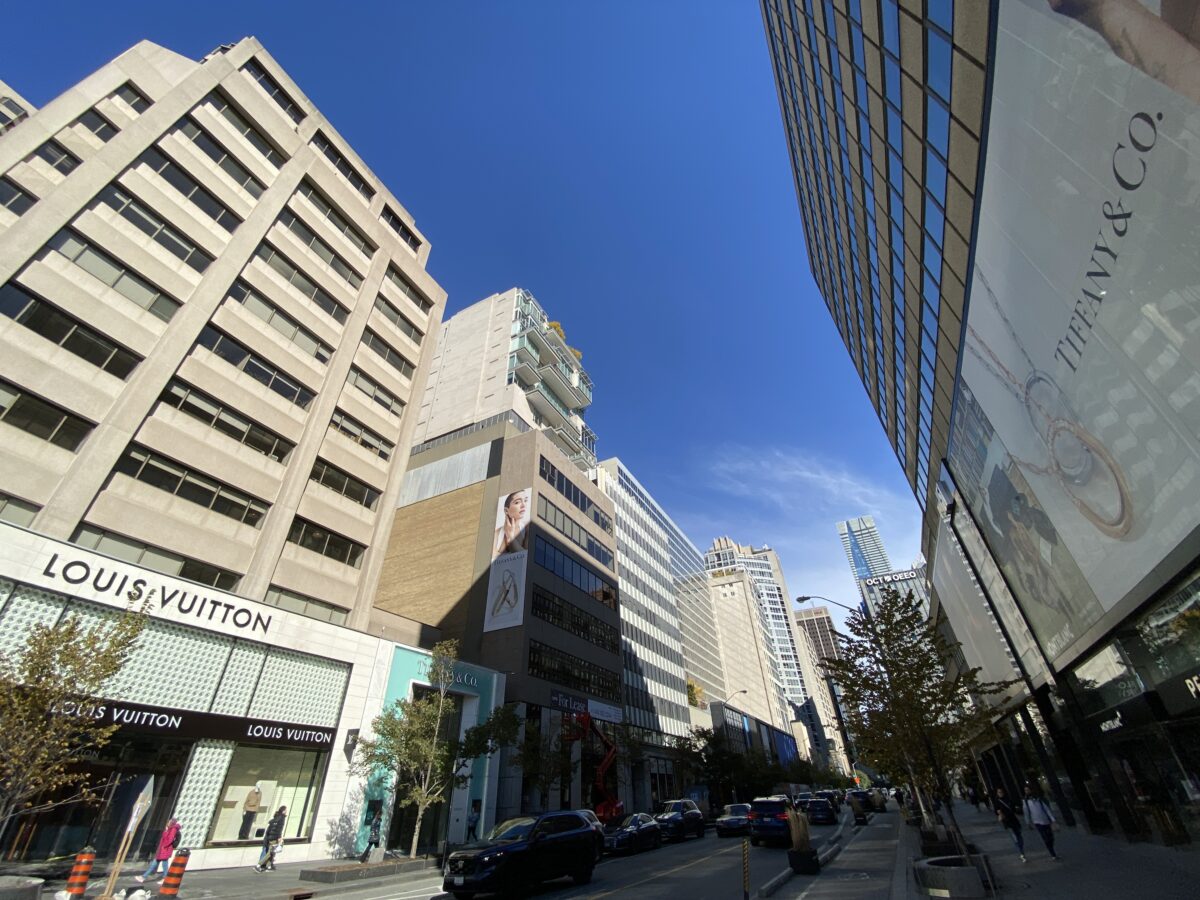
In today’s consumer world, spending has been impacted with elevated inflation and rising costs to live in the country. That’s affecting retailers across Canada.
The trend also touches on the high end of the retail market.
“The definition of luxury has changed quite a bit over the last number of years,” said Parr. “Luxury can be defined in many different ways. For some groups of core customers, a pair of unique Nike shoes for instance could be a luxury purchase and for others a designer handbag is a luxury purchase.
“The luxury consumer is no longer defined as a household earning over a certain level of income. Now we have younger consumers, students, who are playing in the luxury sphere. So the customer profile of luxury has changed substantially.
“The level of impact due to the cost of living is impacting different sectors of the luxury consumer in different ways.”
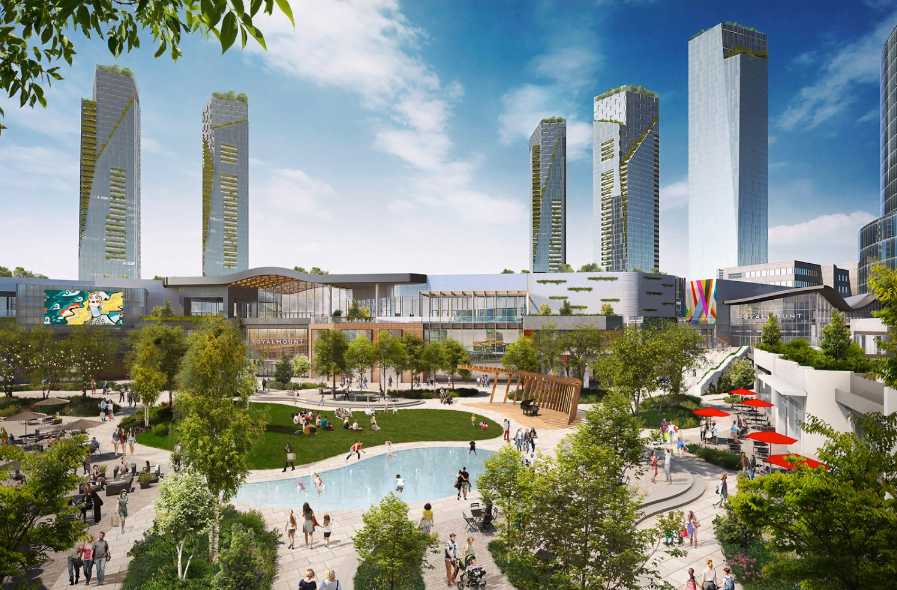
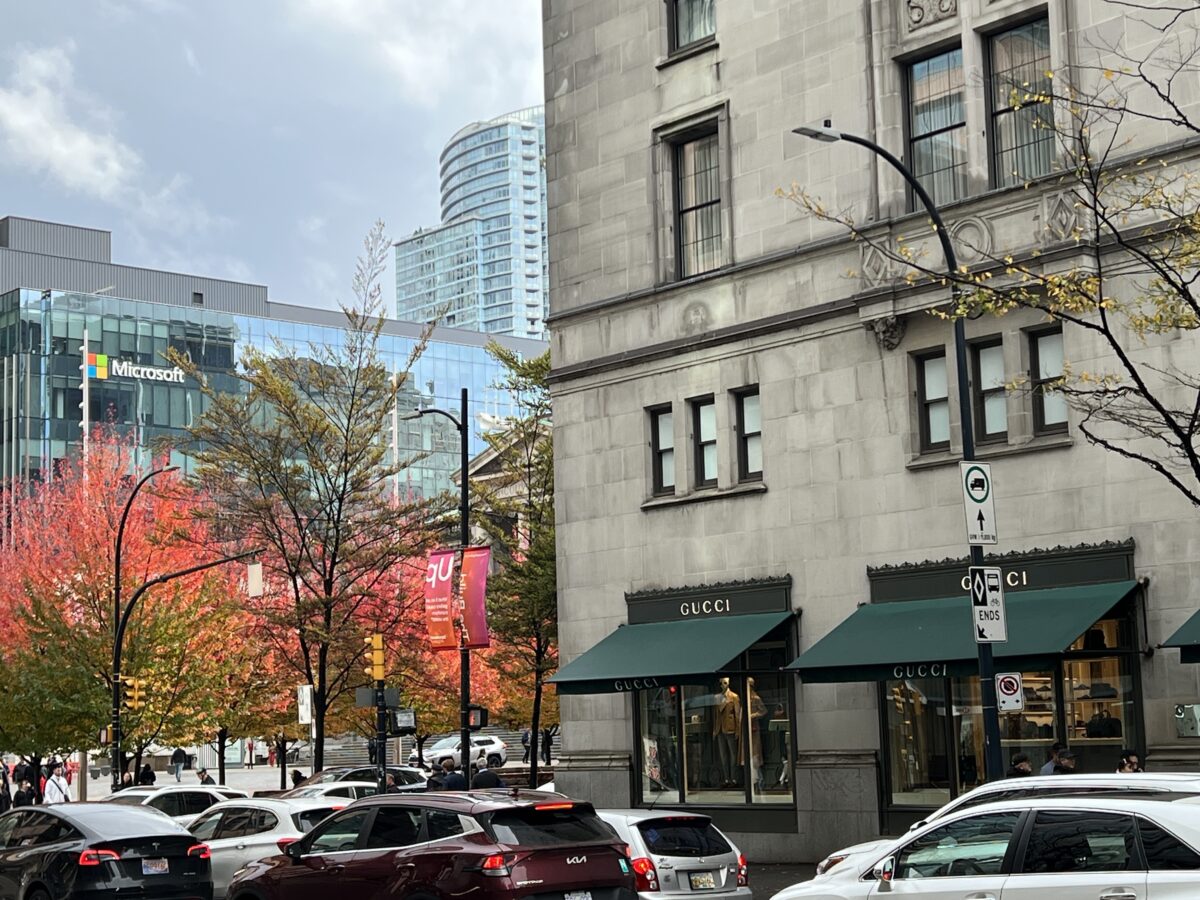
Parr said Toronto and Vancouver remain the first choices for international luxury retailers when they are entering the Canadian market.
“Toronto and Vancouver have proven over the last number of years to be strong international luxury markets,” he said. “Some of the other markets in the country are developing luxury markets. Montreal probably being the largest developing one with the Royalmount development and the collection of luxury that’s set to arrive there in 2024 and beyond.”
Parr said tourism has always been an important part of the luxury spend whether it’s in the Canadian marketplace, the U.S. or otherwise.
“I would suggest that pre-pandemic the retail community or the broader retail community thought maybe tourism over-represented the spend in the Canadian marketplace, particularly international tourism into Canada,” he said.
“Through the pandemic and where we sit today, Canada has proven to have an extremely robust local and national, Canadian, luxury consumer that has candidly grown the top line revenue of many of these groups without the same level of international tourism as we’ve historically seen within the marketplace.”
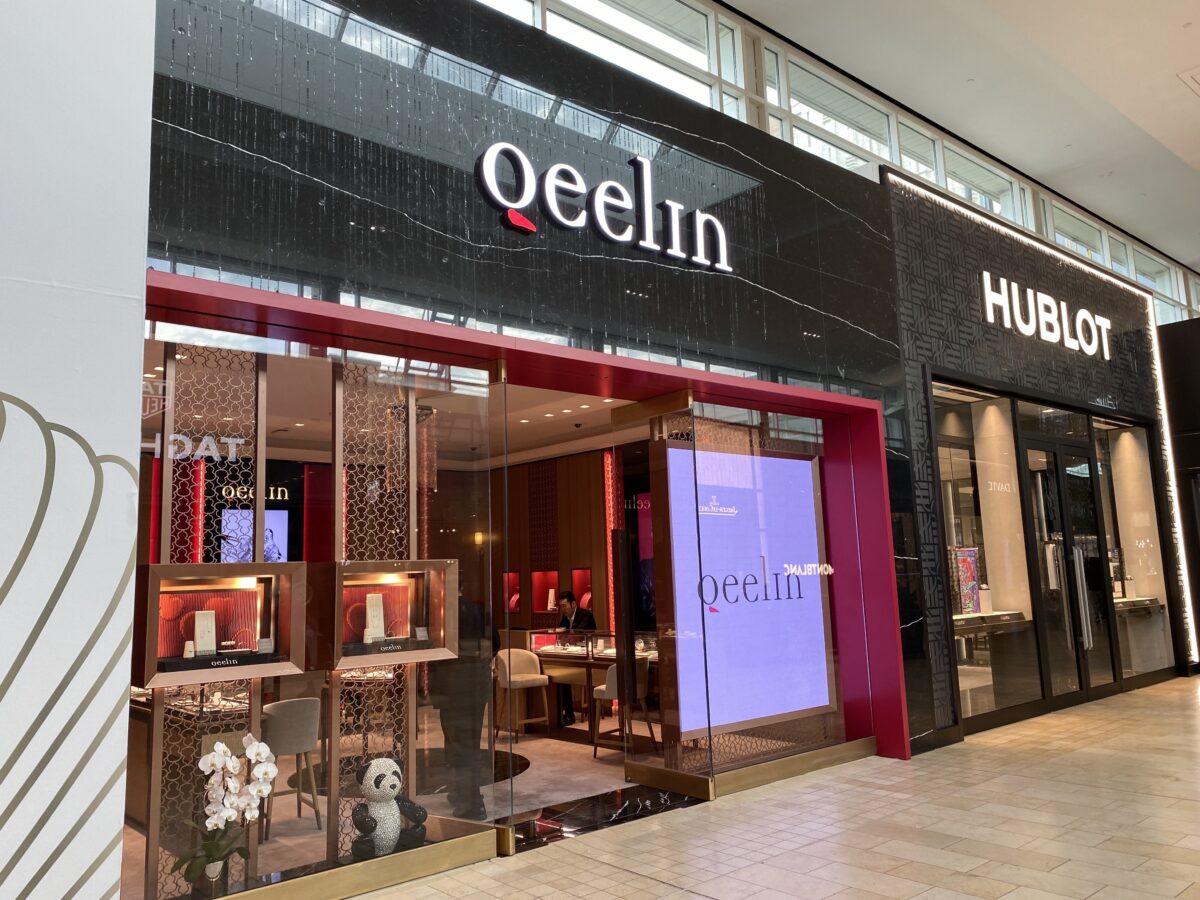
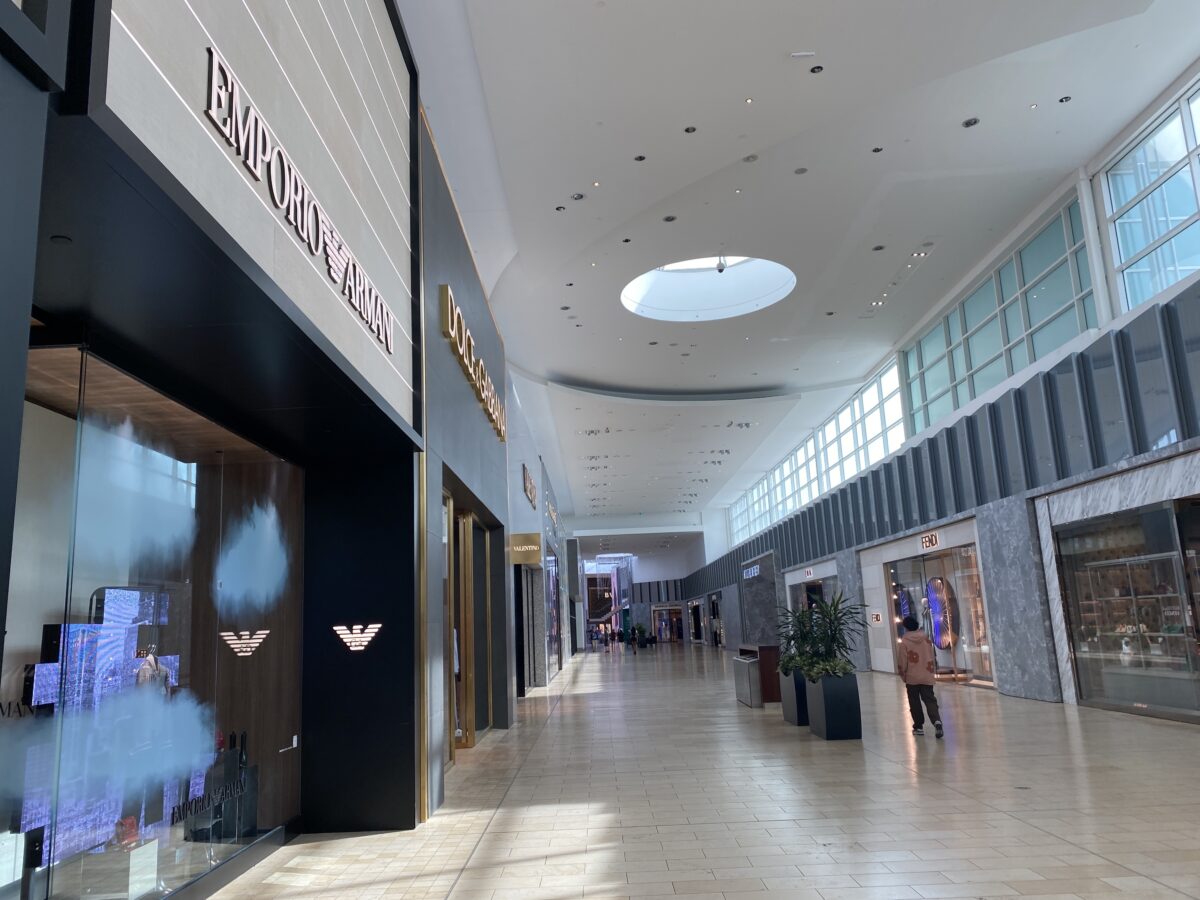
Parr said the luxury retail market has been on an incredible run over the last number of years. The high street nodes in the country in Toronto and Vancouver have more demand than supply right now.
“That’s in significant contrast to what that was as little as 18 months ago. We have seen a very steep acceleration in terms of deal making and stores getting open, particularly in these high street nodes and the strength of some of the enclosed luxury with Yorkdale leading the way. And Yorkdale really finding its place not only on the Canadian or North American luxury map but Yorkdale now being recognized as an international global spot for luxury retail,” he said.
“It’s been an incredible couple of years and there’s still momentum in the marketplace. Like we’re seeing with other trends across North America and globally, I think we all anticipate there will be a softening of demand but still demand that outpaces right now at least available supply.”











Must temper this enthusiasm with the fact NORDSTROM has abandoned the Canadian market.