Consumer spending is expected to drop this holiday season as Canadians face mounting financial challenges, says a new report by Deloitte Canada.
The report, 2023 Holiday Retail Outlook – The weight of the season: Financial strain curbs holiday spending, said Canadian consumers are more and more concerned about housing costs, credit card debt and the impacts of a potential recession.
Consumers will be cautious, savvy and selective this holiday season, looking to shop around widely to find the best deals and get the most value for their money.
While Canadians’ trust in retailers is being challenged driving them to shop around for the best holiday deals, retailers will more than ever need to optimize their pricing and promotion strategy this season. This year’s holiday season shows signs of stagnation in e-commerce growth, with many consumers embracing the omnichannel experience. Despite inflationary challenges, some Canadians are willing to pay more for sustainable products and services, more likely for those younger and females, added the report.


Marty Weintraub, National Retail Leader for Deloitte Canada, said the report is forecasting a soft holiday season.
“Spend is probably going to drop around 11 per cent,” he said. “And of course this is clearly on the backs of the financial pressures, the customer and the shopper has been under for some time, continues to be under, and we’re simply seeing this work its way through the system as interest rate changes start to take effect as people start renewing their debt, the pressures, along with inflation on food and cost of living, it’s just a lot to put on someone’s back. So that’s clearly going to impact how much we spend.
“At the same time, those that are going to continue to shop are also going to be extremely hungry for deals. If you look at our prior reports, Canadians love deals in the best of seasons. We’re going to see a real amped deal-seeking culture from a shopper perspective because of the pressure on the wallet. So we’re expecting quite a promotional holiday season to capture as many of those dollars at the retail level as every retailer can capture.
“Along with that and maybe a little bit on the other side, with these rising prices that we’ve seen some of this playing out over time . . . we’re seeing some what I call hairline cracks in shopper retailer trust because of prices going up and we have over half of Canadians thinking prices will continue to go up through the holiday season – the notion of are prices going up because it’s sort of a gouging opportunity versus a necessity, we’re seeing an all-time high from a shopper perspective, based on our survey, that the trust between shopper and retailer it’s showing to be a challenge. That’s a third insight which shouldn’t be underestimated because it’s not about right or wrong unfortunately. It’s about what people think and that perception is creating some challenge for retailers.”
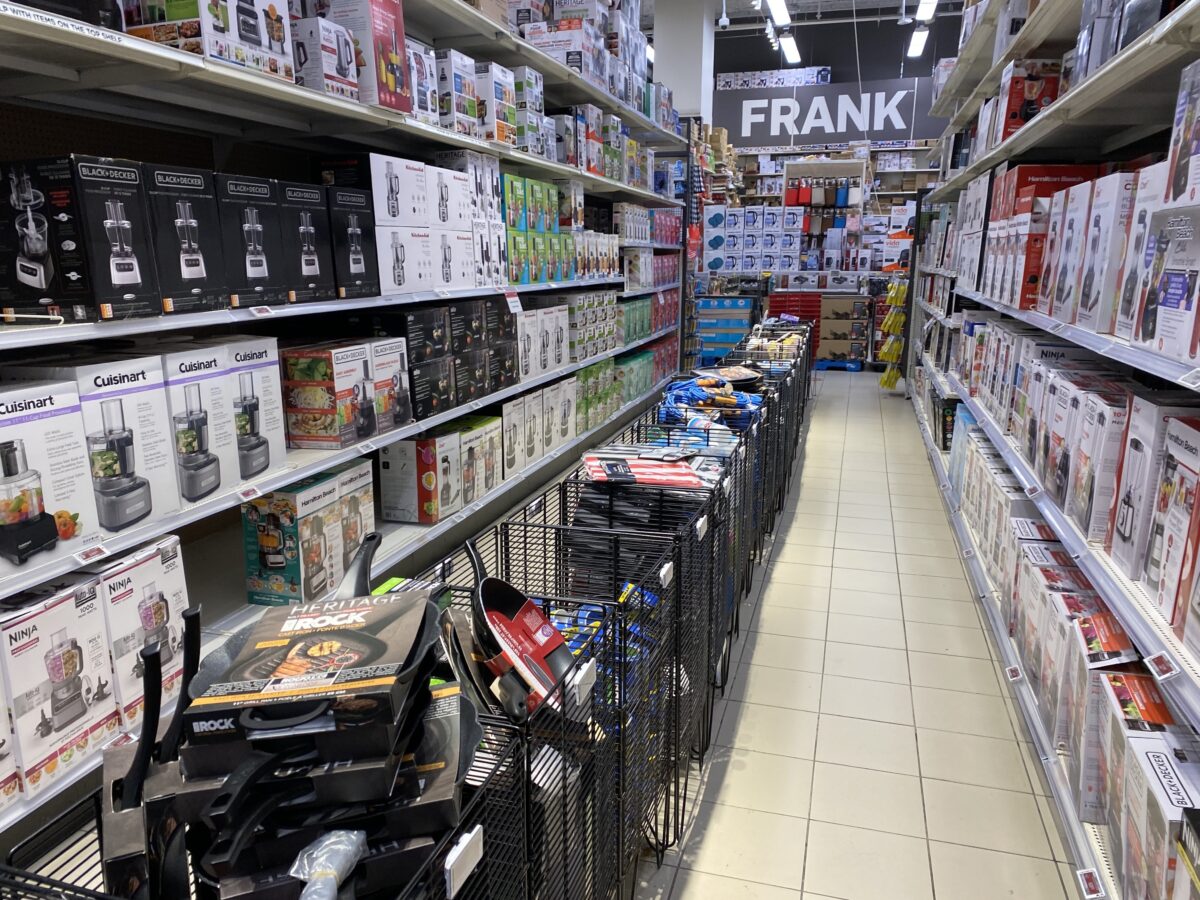
Weintraub said a key signal by consumers from the report is that they are only going to buy what they need, not necessarily what they want. Everyone is looking for deals and that includes high income earners.
“We’re going to see growth in spend to those value-oriented players and probably a reduction in spend in anyone in what I like to call the mushy middle where their value proposition is not so clear to the customer. You’re not luxury. You’re not discount. You’re somewhere in the middle. They will suffer the most,” he said.
Here are some of the report’s key findings:
- Canadians will significantly reduce their holiday spending this year, with 47 per cent expecting the economy to weaken in the next year and 67 per cent concerned about recession impacts. Also, 55 per cent of consumers are worried about rent/mortgage increases, and 33 per cent are feeling anxious about how to pay for holiday gifts;
- Canadians intend to spend an average of $1,347 over the holiday season this year, down 11 per cent from last year, with notable decreases in charitable donations (-40 per cent), gifts (-18 per cent) and gift cards (-14 per cent), though holiday spending on travel is forecast to rise 11 per cent;
- While 76 per cent of Canadians expect prices to rise this holiday season, 73 per cent suspect retailers have been increasing prices unfairly;
- Canadians are willing to shop widely and go the extra mile–literally–to find the retailers that deliver the most value for their money. They will visit an average of 16.5 stores and websites this season, up 37 per cent from last year, planning to shop for holiday gifts at Amazon (69 per cent), mass merchant retailers (61 per cent), and warehouse membership clubs (40 per cent);
- This year’s season shows signs of stagnation in e-commerce growth as consumers plan to spend 41 per cent of their holiday budget online, plateauing since 2021; and
- Despite inflationary challenges, 55 per cent claim they are willing to pay extra for sustainable/ethical products and services, more likely for those younger (65 per cent for those 18-34 vs. 47 per cent for those 55+) and females (60 per cent vs. 49 per cent males).

“While excitement for the holidays can bring joy and anticipation, economic conditions this year will make for yet another challenging holiday season. Canadian consumers plan to reduce their spending and stretch their holiday budget, putting more effort into shopping around in the store and online as they search for the right gifts and the best value for their money,” said the Deloitte report.
“This shift in behaviour means retailers will need to re-examine and refine their value proposition. Price is certainly an important component, especially this year, but it’s not the only one. Product availability, the shopping experience, fast checkouts, free delivery, easy returns—every touchpoint along the customer journey is an opportunity for retailers to deliver value to Canadian shoppers. With the right moves, retailers can position themselves to keep tills ringing this holiday season.”
For many retailers, the holiday season is make or break time.
Weintraub said if shrink is out of control for retailers that alone is a big problem and a big deal on the bottom line. Together with fewer gross margin dollars that are going to come just from pure shopping during a very important season, “we could be seeing some fallout come January or February depending on how the holiday goes. And if it goes the way Canadians are saying it’s going to go I’m not sure we’ll see a wave of bankruptcies and CCAA (Companies’ Creditors Arrangement Act) and stuff like that. We might see some more. We typically do because the smaller ones that are not well financed, not on strategy, don’t stand for something clear, likely are higher risk. We could see some store closures.”
Weintraub said despite the financial pressures Canadians are facing, there are some things that have been working in their favour. Wage growth has been decent. Employment rates are good right now but that’s expected to deteriorate as company’s continue to work through the challenge. Pandemic savings rates used to be quite high. But they’ve been coming down and stabilizing. And consumer confidence isn’t the greatest right now.