Buy now, pay later is a relatively new form of financial technology that allows consumers to purchase an item immediately and repay the balance at a later time in instalments.
Unlike applying for a credit card, buy now, pay later doesn’t require a credit check. Instead, these programs use algorithms to perform “soft” credit checks to determine a shopper’s eligibility.
This means buy now, pay later loans target low-income, tech-savvy millennials and Gen Z shoppers in an effort to supposedly improve financial inclusion for these groups.
However, the newness of buy now, pay later programs means existing consumer credit laws don’t cover it. This lack of regulation puts shoppers at financial risk of accumulating higher levels of debt.
Credit cards versus buy now, pay later
There are three key differences between credit cards and buy now, pay later loans. First, while buy now, pay later loans are a line of credit like credit cards are, they don’t impact credit reports. Because of this, shoppers might be less cautious when using buy now, pay later services.
Credit cards typically have annual interest rates ranging from 15 to 26 per cent. While most buy now, pay later loans have no interest, longer term loans have annual interest rates of about 37 per cent.
Shoppers are at risk of overusing buy now, pay later programs and accumulating more debt than they can manage. In addition, formal lenders, such as banks, currently have no way of knowing what buy now, pay later debt a person is carrying. The lender, therefore, likely incurs more risk than they are aware of.
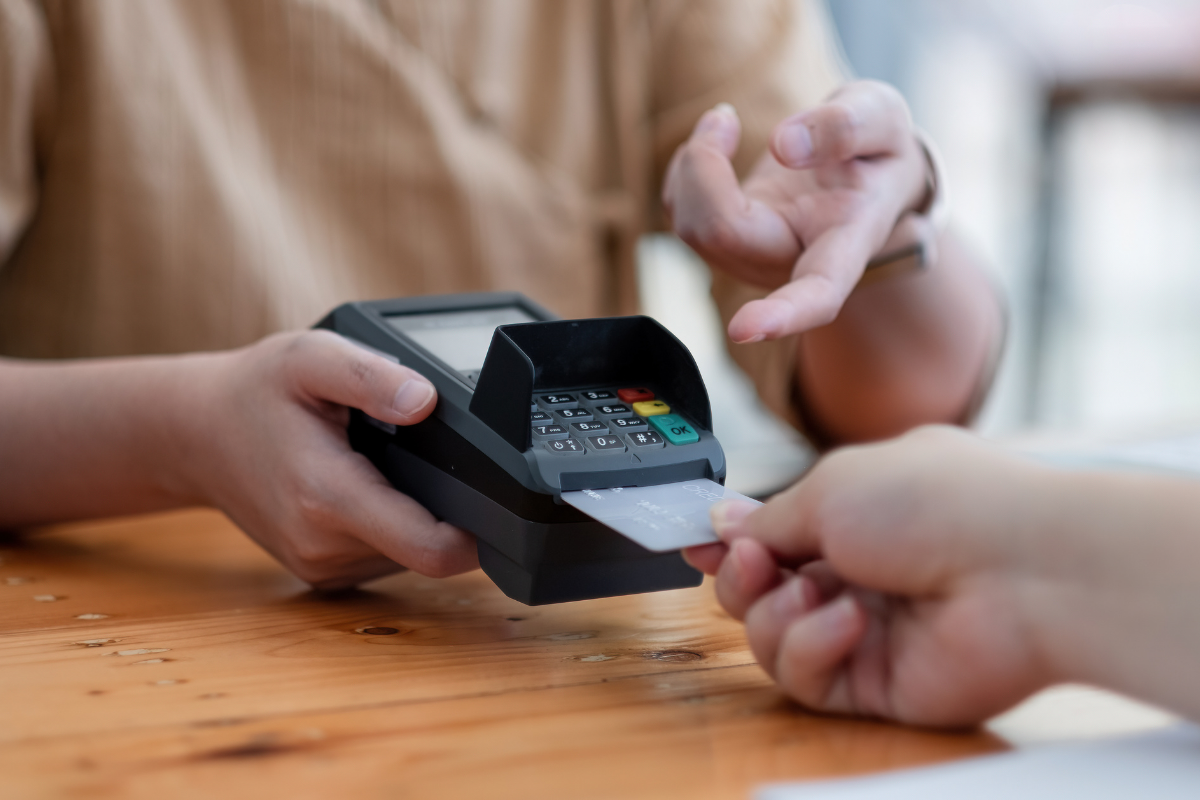
Second, credit cards typically provide an interest-free period, after which borrowers must pay interest. In contrast, buy now, pay later users typically don’t have interest fees, but can incur late fees for missed or late payments.
Falling behind on payment terms can result in charges that exceed typical credit card interest rates, causing more harm than interest payments. Low-income buy now, pay later users are particularly vulnerable to using overdrafts to cover their buy now, pay later payments.
Third, people typically have just a few credit cards, making it easier to keep track of payments. Buy now, pay later users, on the other hand, usually engage with multiple buy now, pay later lenders through retailers. As a result, it’s difficult for them to keep track of all the buy now, pay later lenders and retailers they made purchases from.
What are the Canadian governments doing?
Canada classifies buy now, pay later as an unsecured instalment loan, which means lenders are subject to laws at the federal and provincial levels.
Under federal law, there is an annual interest rate cap of 60 per cent. Provincial laws require buy now, pay later lenders to disclose the cost of credit and extend consumer protection rights to buy now, pay later shoppers.
At the provincial level, specific laws come into play. Manitoba, Alberta, Québec, and Ontario have passed laws that require lenders to be licensed before they offer these products and be subject to regulatory oversight.
These laws regulate high-cost credit products that have annual rates of 32 per cent or higher. This means buy now, pay later services should fall under this category. However, I found no evidence of buy now, pay later lenders being licensed in Canada. This means either lenders are not aware they fall under these laws, or no one is enforcing them.
This ambiguity over whether or not buy now, pay later lenders are subject to regulatory oversight could be a hindrance for banks like the Bank of Nova Scotia and the Canadian Imperial Bank of Commerce, as it deters them from entering the buy now, pay later market despite its profitability.
Questions to ask before using buy now, pay later
Before signing up for a buy now, pay later loan, shoppers should consider the following six questions.
1. Payment structure. How much of the invoice amount needs to be paid upfront? The norm is typically 25 per cent. What is the number of remaining instalments? The answer to this is usually four. Lastly, what is the frequency of instalments? The norm is biweekly.
2. Sensitive information. Does the lender require you to provide information about your chequing account? This is sensitive information to give away and puts you at risk of data breaches. Most buy now, pay later lenders withdraw instalment amounts from chequing accounts or debit cards, potentially exposing shoppers to greater risks than credit cards.
3. Interest charges Does the buy now, pay later lender charge interest on instalment payments? The norm is no.
4. Late fees How much is the late fee, when does it apply and what is the maximum amount of the late fee? Typically, late fees don’t exceed $8 or one-quarter of the invoice amount. Late fees usually kick in if your scheduled payment remains unpaid after 10 days.
5. Data responsibility. Who is responsible for your data? Whether it’s the retailer, the buy now, pay later lender or a company whose cloud storage the provider may be using, you should know. In general, the buy now, pay later lender holds this responsibility.
6. Licensing. Is the buy now, pay later lender licensed to sell the loan? Usually, the answer to this question is no.
Buy now, pay later regulation
Two sets of laws and regulations should be implemented to address some of these issues. The first set of regulations focuses on how buy now, pay later lenders interact with consumers. These lenders should clearly communicate all terms and conditions of their loans, including late charges, interest charges and payment schedules, on their platforms to ensure shoppers are fully informed of their financial obligations.
The Financial Conduct Authority in the United Kingdom recently issued guidelines allowing buy now, pay later lenders to terminate, suspend or restrict access to shopper accounts for any reason without notice. Effective September 2024, New Zealand will require buy now, pay later lenders to check a shopper’s credit before providing them a buy now, pay later loan.
The second set of regulations defines the scope and boundaries of buy now, pay later lenders. On Dec. 9, 2022, California became the first American state to classify buy now, pay later as a loan. Such classifications allowed California regulators to question lenders about their transparency in disclosing the terms of their offerings.
The hope is that these laws and regulations will facilitate microlending and not impede the existence of buy now, pay later services, but rather make it safer and more secure for both lenders and users.
This article is republished from The Conversation under a Creative Commons license. Read the original article.
By Vivek Astvansh, Associate Professor of Quantitative Marketing and Analytics, McGill University and Chandan Kumar Behera, PhD Student in Marketing, Indian Institute of Management Lucknow.