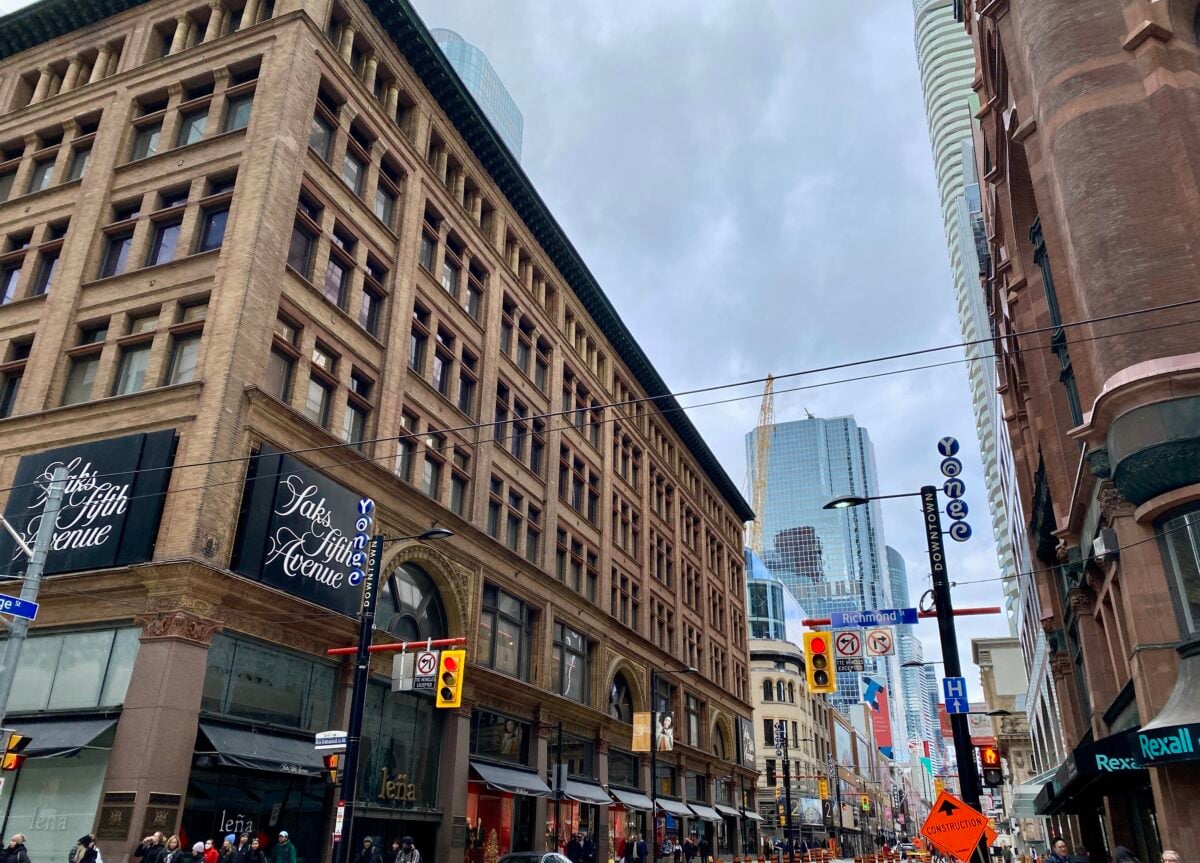
Since the pandemic, pedestrian traffic on Yonge Street has steadily increased. Pauline Larsen, the executive director and chief operating officer of the Downtown Yonge Business Improvement Area, shares insights on the evolving pattern of foot traffic, the retail landscape and forthcoming developments in the area.
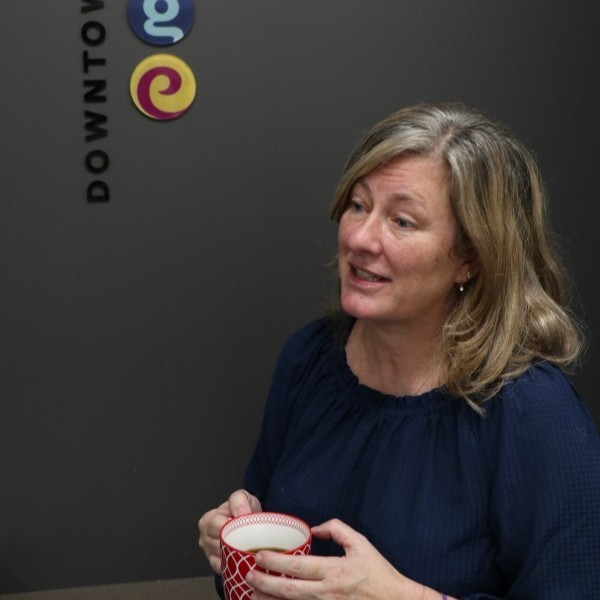
“Foot traffic is running about ten to 15 percent below 2019 levels, so we are not 100 percent back at full pedestrian counts where we were before the pandemic. We are seeing flashes of it starting to show up, especially over the holiday weekends. We got really excited over Thanksgiving weekend in 2022 as it was the first time since the pandemic we have seen it go above 2019 levels overall,” says Larsen.
This past Thanksgiving, Larsen says they saw an increase of five percent compared to last year with 2.5 million people visiting the area in one week. Foot traffic has also increased outside of holiday seasons.
What is influencing the increase?
Larsen says the increase of foot traffic is due to the university being back to normal, employees returning to offices, new retailers and the diverse experience the area provides. So far, 55 percent of office buildings are occupied on any given day of the week.
“It is just a little but more than half and it is growing slowly and people returning to offices has had a positive impact towards it as well. In regards to our diversity, we have a diverse experience people can have in this neighbourhood and it is important because they can come down here and do something different every time.”
The increase of community events has also led to the increase of foot traffic as Larsen says they have had more events compared to before the pandemic.
“We did 60 events during the first ten months of the year, which is actually more than we had in 2019. So the events and activities we had in this neighbourhood are more than they were pre-pandemic, so something to celebrate too. It brings an ongoing excitement around what you will find when you come here, so there is always something new happening in downtown Yonge and that helps boost foot traffic too.”
Retail Landscape Evolution
With over 700 retailers in total: 420 in the mall and 300 on the street front, Larsen says she is still seeing an overall vacancy rate of about 12 percent.
Larsen says the area has seen new retailers entering the area, not just retailers reopening after the pandemic lockdowns – but entirely new retailers to the neighbourhood: “I think that has provided quite a lot of excitement and foot traffic.”
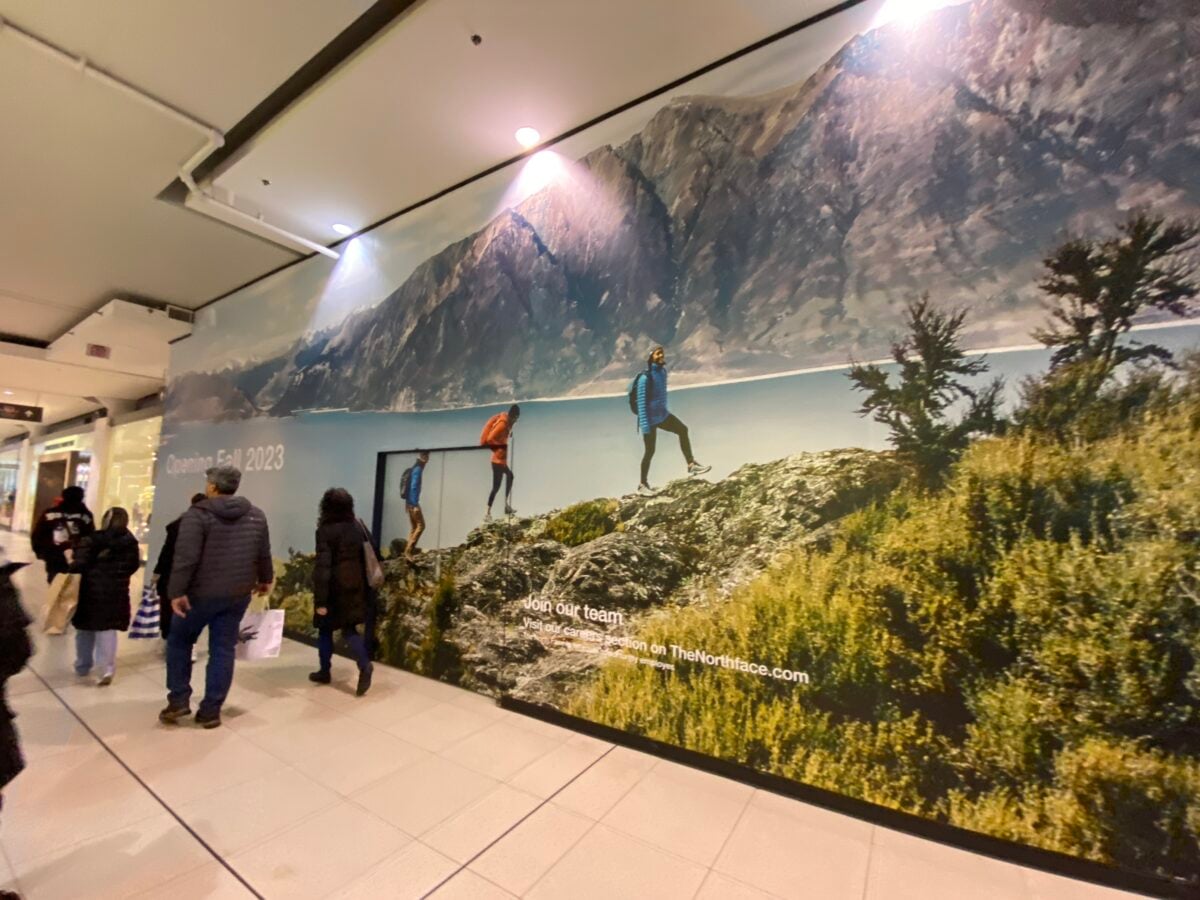
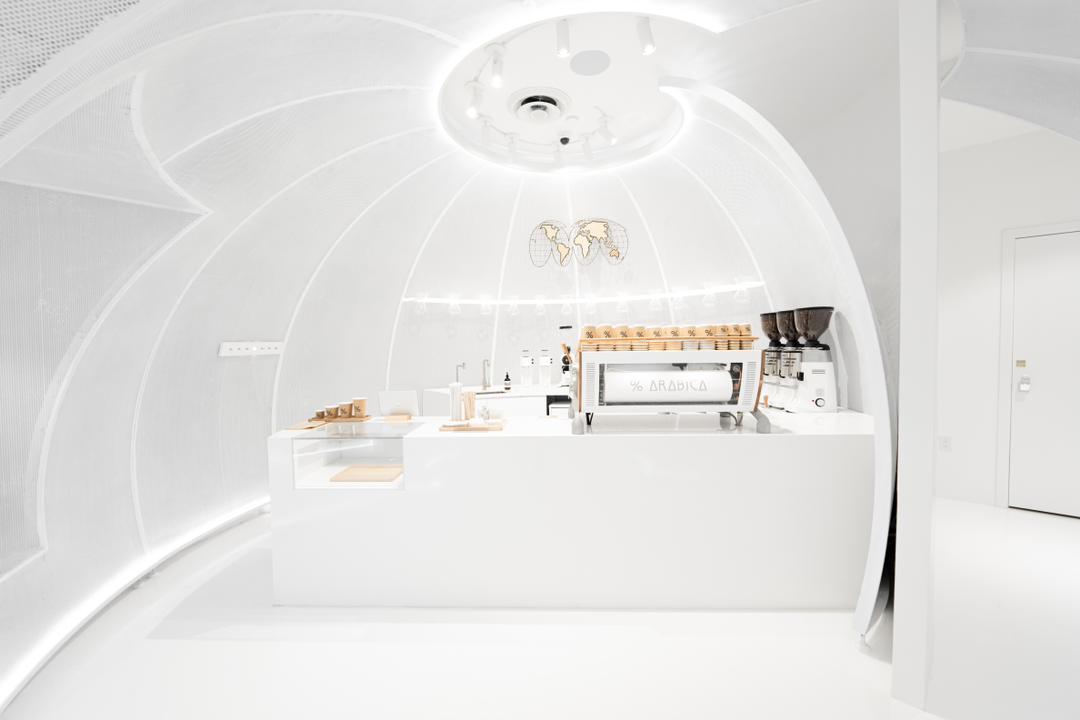
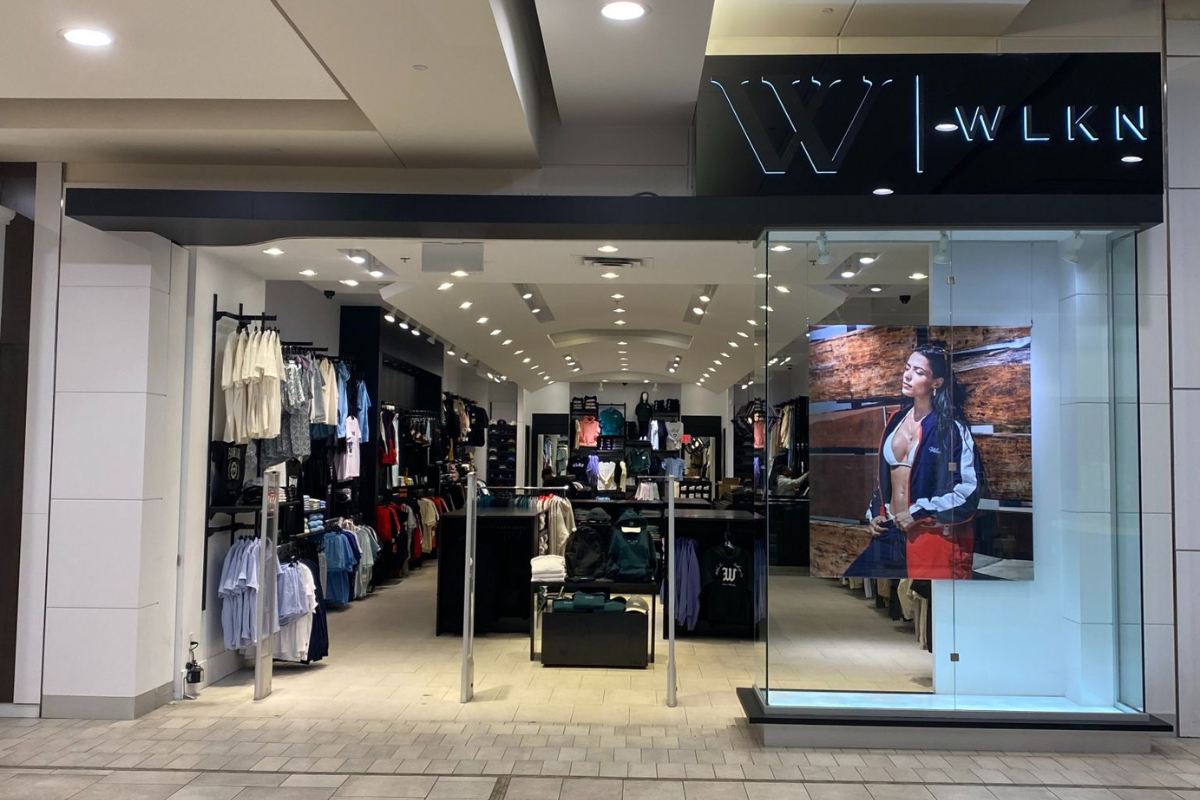
The following retailers have recently opened or announced openings in the area:
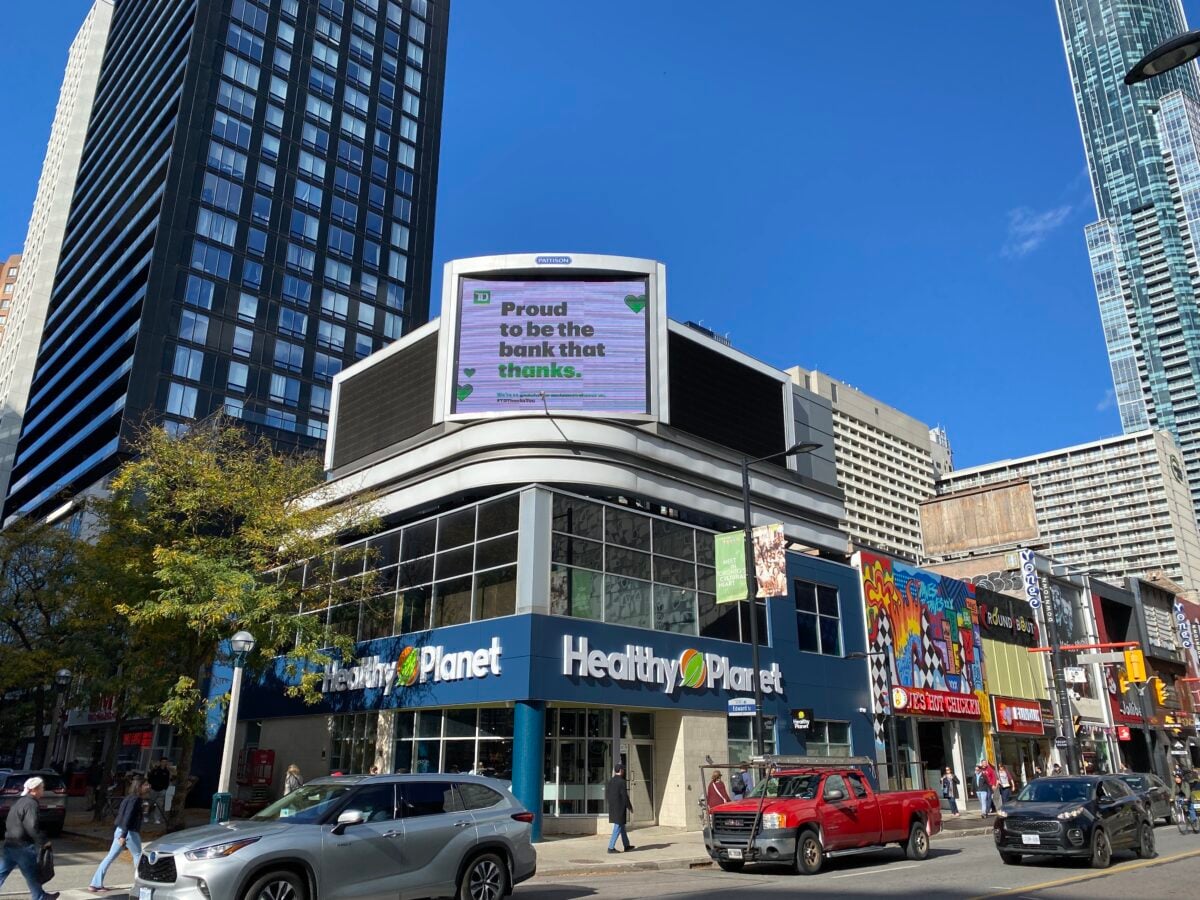
- Healthy Planet (Opened in 2023)
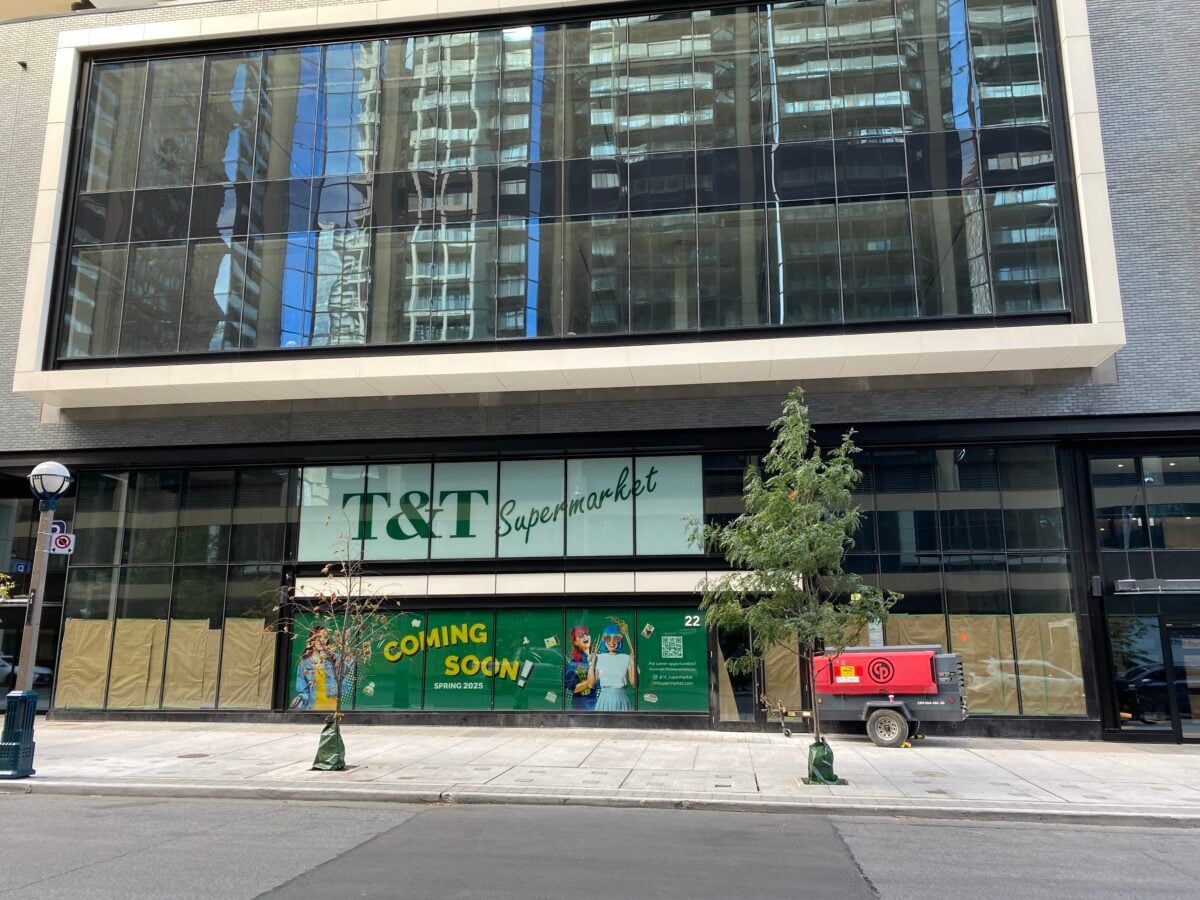
- T&T Supermarket (2025)
- The Ballroom (2024)
- Dave’s Hot Chicken (Opened in 2023)
- The North Face (2024)
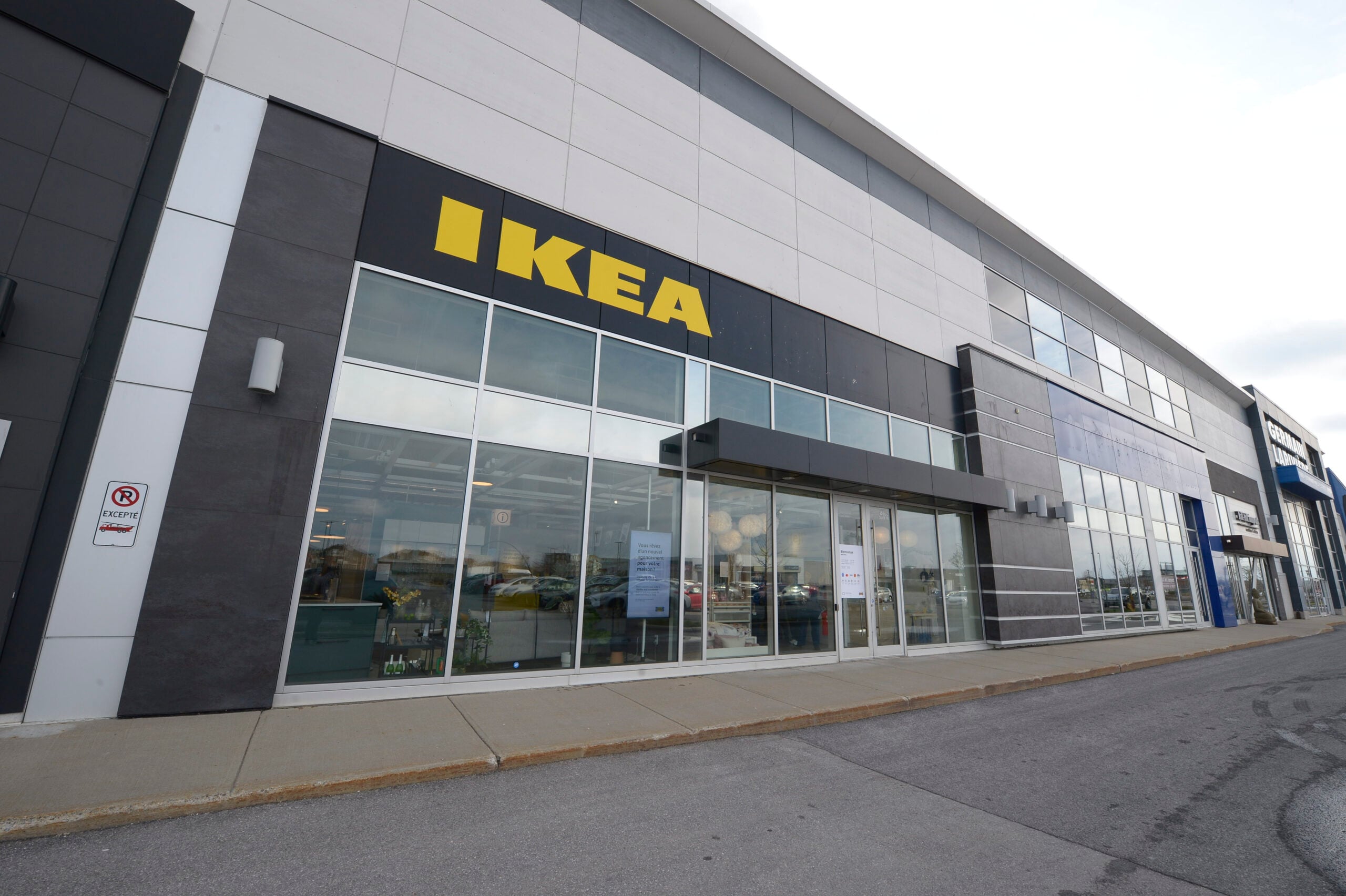
- Ikea 2.0 (Coming Soon)
“One thing everyone is excited about, and I do not have the exact opening date yet, is the T&T supermarket is currently moving in on Edward Street right behind Atrium on Bay. The space is ready to go and I know there is a lot of excitement. There are also some new tenants going in such as the Ballroom. So there are a bunch of new things happening and a lot of diversity in different offerings.”
Larsen says with the variety of offerings available, more people will be attracted to visit as they can decide to go to theatres, restaurants, shops, or visit bars in the evening. Every store opening is “enhancing the overall experience for people.”
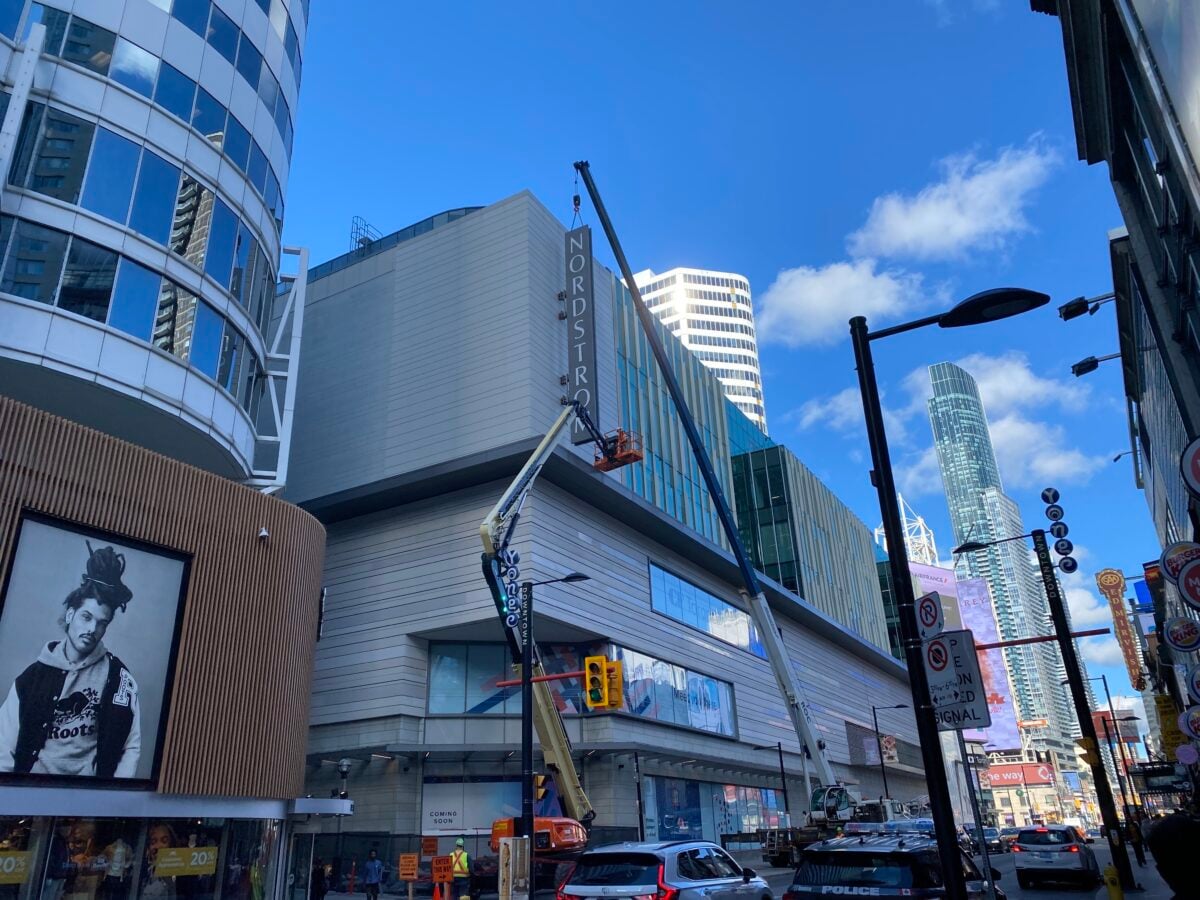
Along with these new openings, the neighbourhood has also seen retailers close, including Boston Pizza, Rexall, Champs, Lids, and Nordstrom.
Larsen said she has been tracking retail closures throughout the pandemic and started in 2021.
“In the first six months of 2023, we had 46 businesses close doors: retail both in malls and on the street. But interestingly enough – we also saw 46 open, so the impact was actually zero.”
Larsen says retailers on the streets tend to have a higher closure rate than retailers inside the mall. The number is much lower than during the pandemic, but is still not back to normal. At the peak of Covid, Larsen says the vacancy rate was as high as 19 percent but now it is around 12.
“We have been seeing a five percent increase in the street front vacancies over the last two years or so and believe me – I will take it as a good trend that is going in the right direction.”
Filling empty spaces and new developments
To attract new retailers to fill up empty spaces, Larsen says the BIA updates its website to include monthly updates on retail opportunities, and a summary of pedestrian and vehicle counts. Larsen says retailers focused on residential opportunities should look out for spaces as the neighbourhood is looking at expanding its residential population as there are around 17,000 condo units that are currently being planned.
“Retail and services gearing towards the residential population are going to be very important. I know in the past year, we have seen something of an increase in things like entertainment, attractions, gaming. I would suspect that is probably something we would watch going forward.”
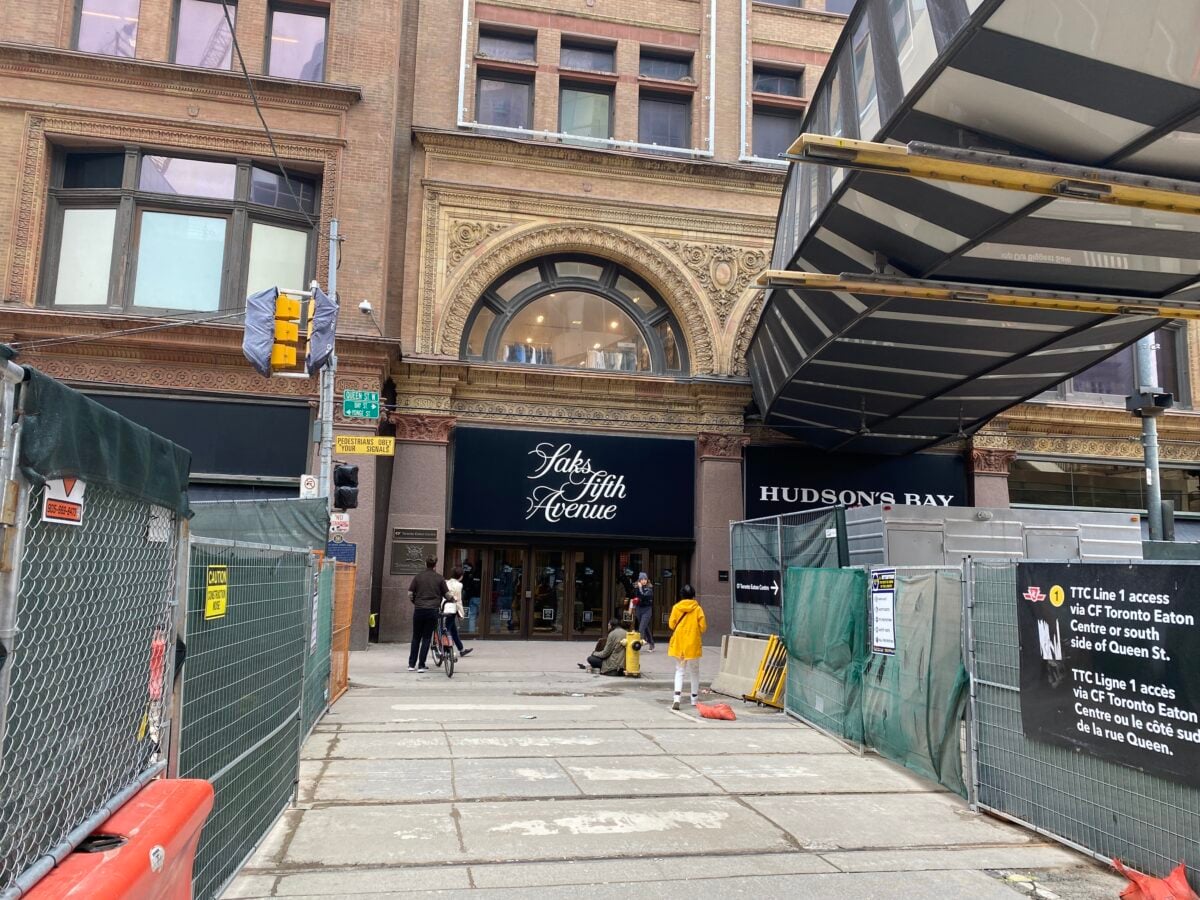
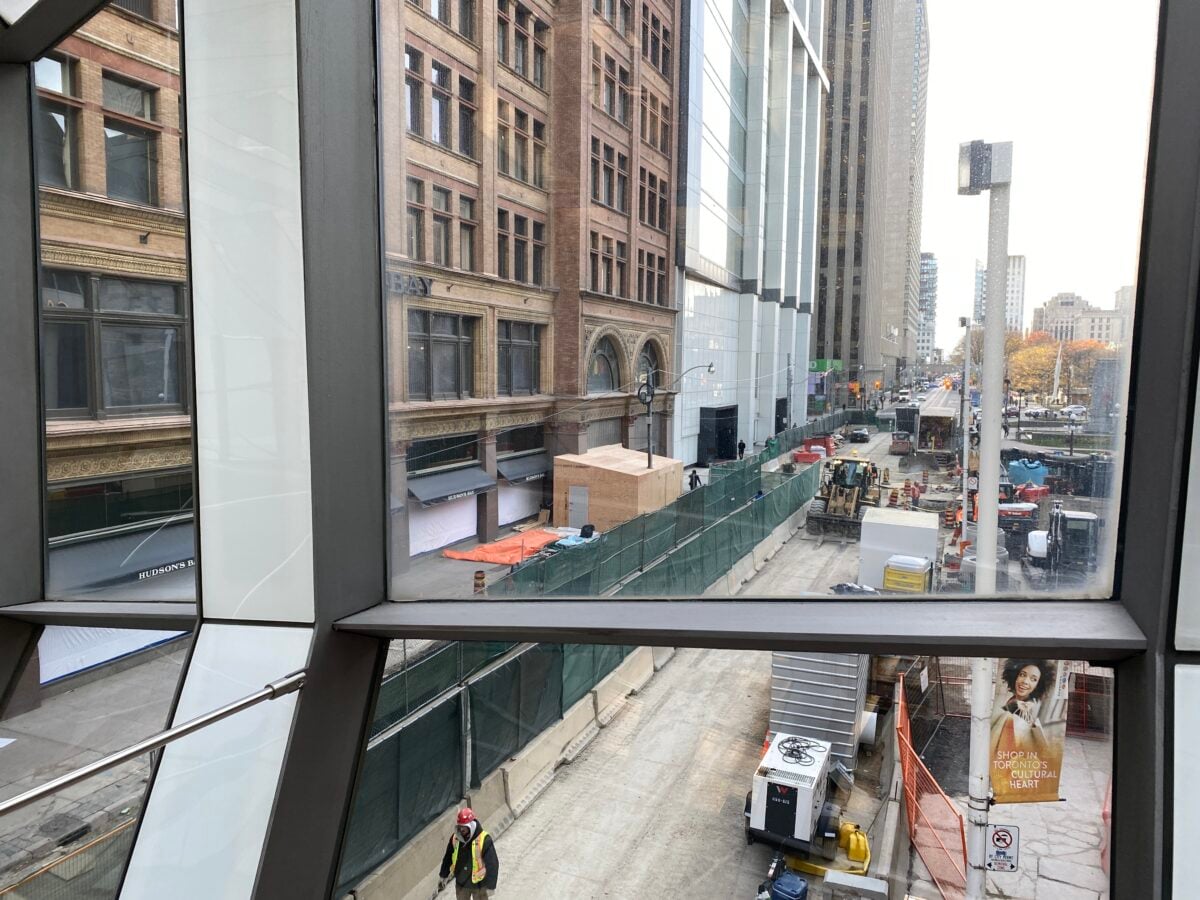
Along with new developments of residential buildings in the area, Larsen says the construction of the Ontario line will have an impact on the area as it will take several years to complete. To create less frustrations among visitors, Larsen says the BIA will communicate through the construction process.
“The BIA is focused on construction mitigation and communicating with shoppers, drivers and people coming into the neighbourhood to make sure they are up to date with any closures that might impact them. The worst disruption is the one you experience when you were not expecting it – no one wants that, but in a way lots of people already know about it and they can work around it.”
Once completed, it will provide a new and easier way for people to visit the neighbourhood and make the neighbourhood more accessible – “I only see that as a good thing.”