Canada’s retail leasing market will stabilize over the near term, following a period of modest progression, says the 2024 Canadian Economic Outlook and Market Fundamentals Report by real estate firm Morguard.
“The forecast is predicated on weaker economic and consumer spending growth. The nation’s economy is projected to expand by less than 1.0 per cent in 2023, down sharply from 3.4 per cent in 2022,” said the report.
“Higher borrowing costs and inflation will weigh more heavily on the nation’s economy and consumer spending. As a result, retailer revenues will decline. Store expansion activity will slow, as retailer confidence levels decline. Leasing demand, vacancy, and rents will level off. In short, the nation’s retail leasing market will stabilize over the near term.”
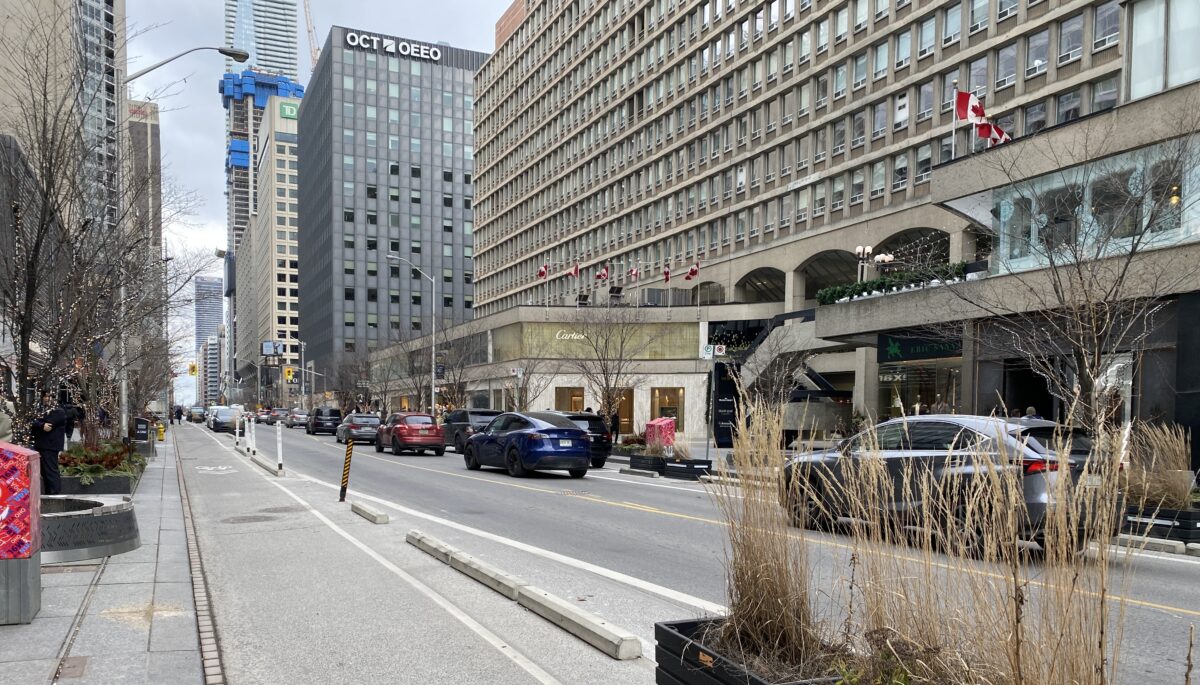
The report said leasing market demand characteristics were moderately positive in 2023. Expansion activity was comprised largely of small and medium-sized outlets.
“New concepts and portfolio reconfigurations were also key leasing activity drivers. Discounters and stores selling essentials continued to expand. Growth and positive momentum was reported in the luxury market over the past year, especially on high streets in major cities,” explained the report.
“Expansion activity was offset to some degree by store closures. However, vacancy decreased modestly in most regions. The national retail vacancy rate for properties tracked in the MSCI Index rested at 7.6 per cent at the midway mark of 2023, 90 bps lower than a year earlier. Vacancy remained elevated in the regional centre market segment. Rental rates increased modestly for space in the country’s landmark centres and in new developments. Downward pressure on rents was recorded for space in non-anchored strips.”
Morguard said largely bearish retail investment property market trends were reported over the recent past with nvestment performance was decidedly bearish recently.
“Properties contained in the MSCI Index posted a negative aggregate total return of 3.1 per cent for the year ending June 30, 2023. A moderately positive 3.1 per cent return was posted in the previous year. The negative result was entirely capital erosion-driven. Retail property values decreased over the past year while capitalization rates decompressed. Investors looked for acquisition pricing discounts to offset higher borrowing costs and heightened economic risk,” said the report.
“In some cases, vendors chose to hold on to assets while values fluctuated. Others were unwilling to lower their pricing expectations. Increasingly, vendors and purchasers were unable to come to an agreement on pricing. Consequently, sales activity slowed substantially. Just shy of $2.7 billion of investment sales volume was reported for the first half of 2023 in the nation’s top 10 markets combined. The total was down 68.3 per cent from the same time-period a year earlier, according to CBRE figures. There were very few large-scale or portfolio sales recorded recently, which was in keeping with the medium-term trend. Investors exhibited confidence in low-risk properties, which included grocery-anchored centres, centres with strong and stable tenant rosters, and properties with excess land. The risk-off sentiment of investors was indicative of the bearish investment market backdrop of the recent past.
“Retail investment property market trends will remain largely bearish over the near term. Investment performance will continue to disappoint. Property values may decline further, if bond yields and interest rates continue to rise. The capital erosion will likely be at least partially offset by income growth. Investment transaction activity will rest below the long-term average, given continued economic and financial market uncertainty. The relatively high cost of debt will also limit activity over the near term. Investors will continue to gravitate to lower risk property acquisitions. Private capital groups will target properties with value-add attributes more often. In short, the bearish investment market trends observed over the recent past will persist over the near term.”
Keith Reading, Senior Director, Research at Morguard, said the consensus is that retail has been a little stronger than most people anticipated.

“Going back to COVID, I think a lot of people thought the fallout would be worse than it actually was and there’s no doubt there was some pain for particularly the independents but I think people were pleasantly surprised at how quickly the market bounced back,” said Reading. “And there were some real brights spots particularly through the first half of this year, probably I would say up until the summer.
“We’ve seen things slow a little bit along with the economy and the labour market as well. But certainly immigration has helped with spending. You’ve got more people and they tend to spend, particularly when they first arrive.”
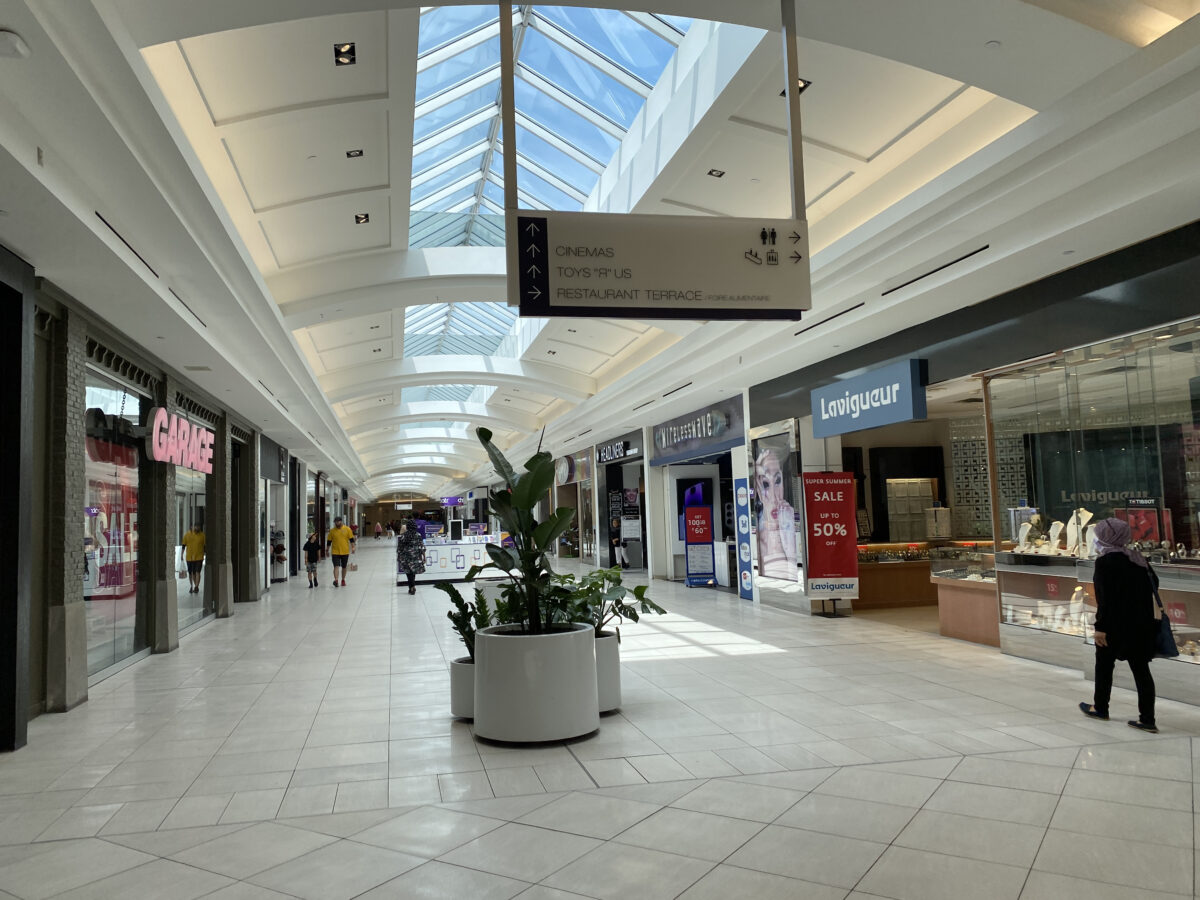
Reading said vacancy in enclosed regional malls is still somewhat elevated in certain markets but that’s part of a broader trend.
“Even before COVID, we were receiving a hollowing out of middle of the market and certain shopping categories were kind of saturated with the number of stores, particularly as e-commerce increased,” he said.
“We still see a bit of an overhang of that hollowing out of the middle of the market but power centres and new format centres that are open air have done quite well. We’ve still got some stickiness downtown. A lot of that is related to the office market but there’s been some real strengths in certain categories.
“If you’ve got a grocery store anchor in your centre that’s a real draw for retailers but we really have seen a tightening of the market in most sub categories of retail. Downtown is still sticky. Enclosed malls are part of a longer term trend. But generally things have been pretty good.”
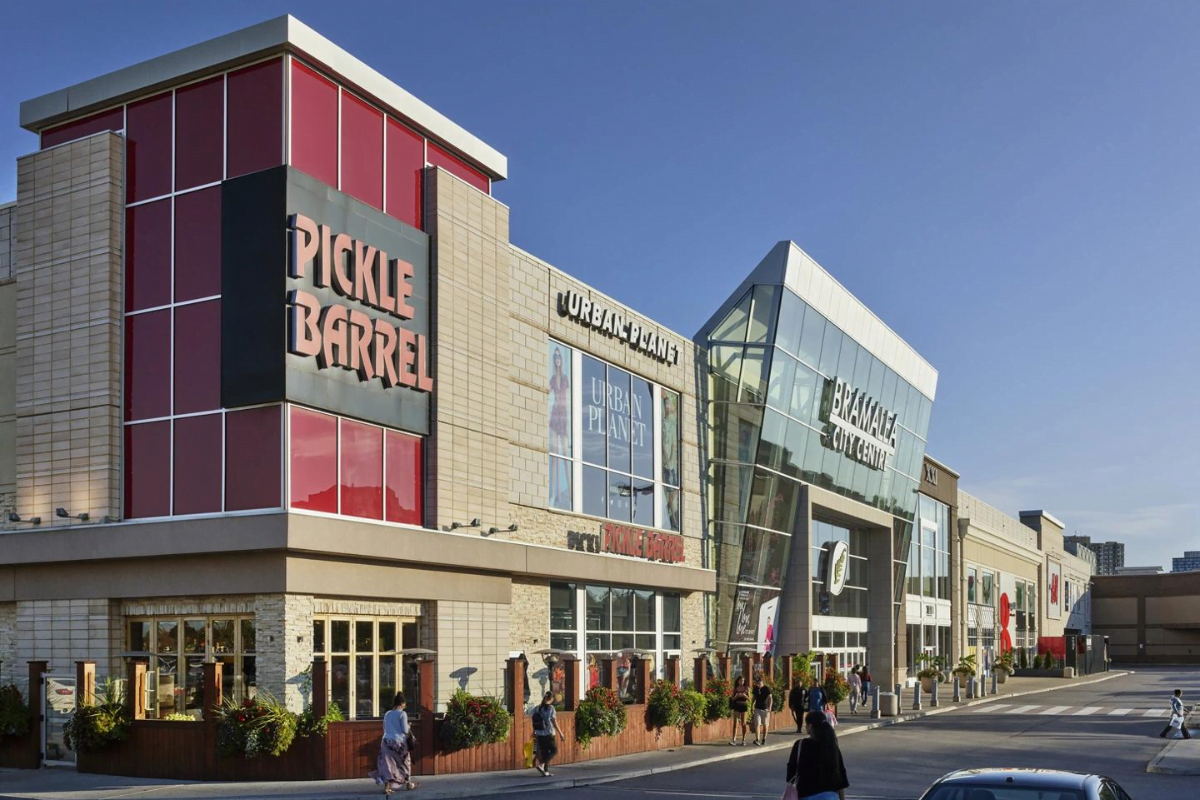
Reading said discount stores have done well and that will continue in the future.
“We’ve seen the economy slow down fairly significantly. I think if it wasn’t for immigration we’d probably be already in a technical recession. The job market slowed as well. We’re going to see I think in the first half of 2024 the retail market I don’t want to say stagnate but maybe that’s the best word. But I think by the second half of 2024 we’ll start to see things pick up not just with the economy but spending will start to improve as well. By the fall of 2024, hopefully things will look quite a bit brighter both for retail and the broader economy.”