

Aisle 24, a fully-automated, 24/7 cashier-less grocery chain based in Toronto, continues to expand its unique concept to different locations across the country as it seeks non-traditional spaces and the launch in the coming months of a new and bigger prototype.

“We are typically very close to high density residential. Condominiums and apartment buildings. But we are starting to explore what we would call non-traditional now,” said John Douang, co-founder and CEO of Aisle 24.
“So busy intersections, high foot traffic and not necessarily just sticking to the residential format . . . If a condo or master-planned community has a commercial element with some retail units that’s typically where we are.”
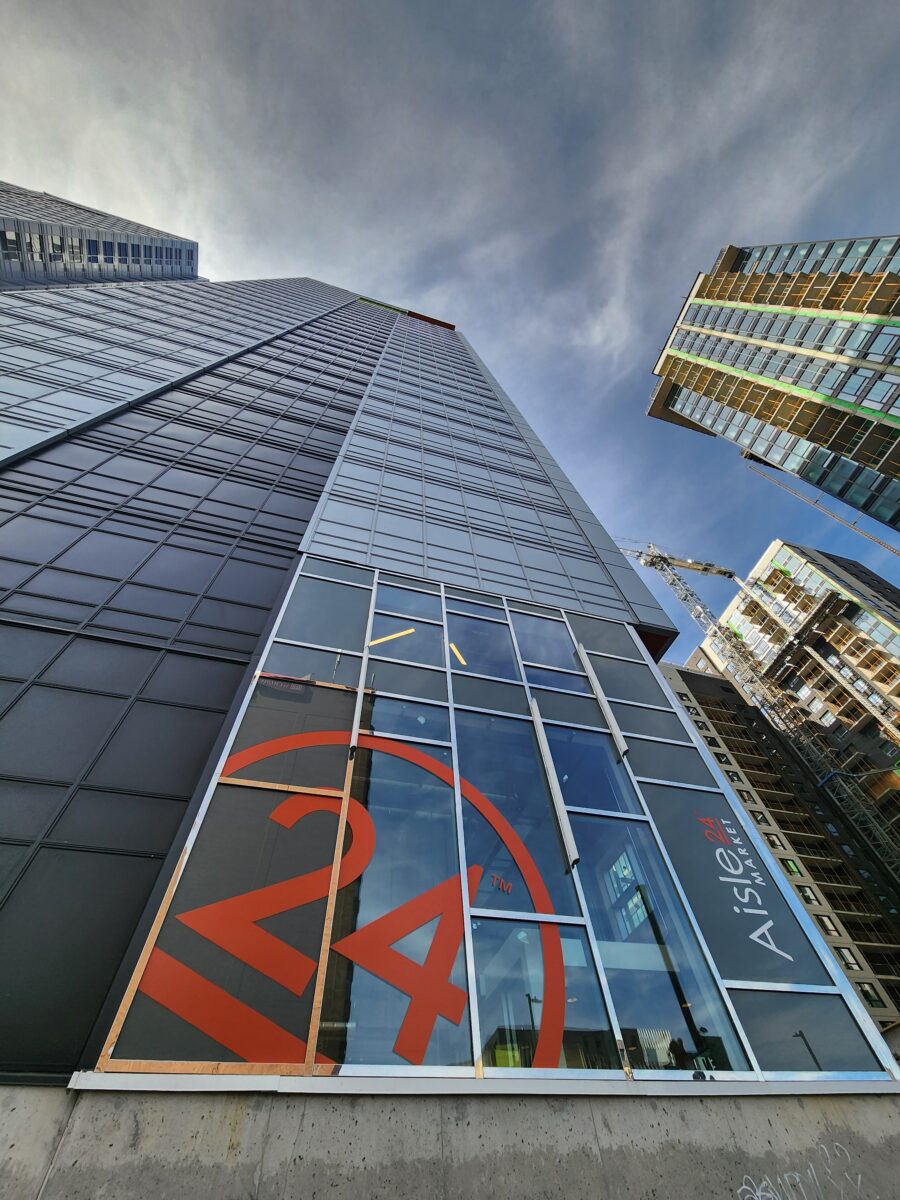
Currently, the company has 28 locations in Canada – two in Edmonton, six in Quebec, one in Nova Scotia and the rest are in Ontario.
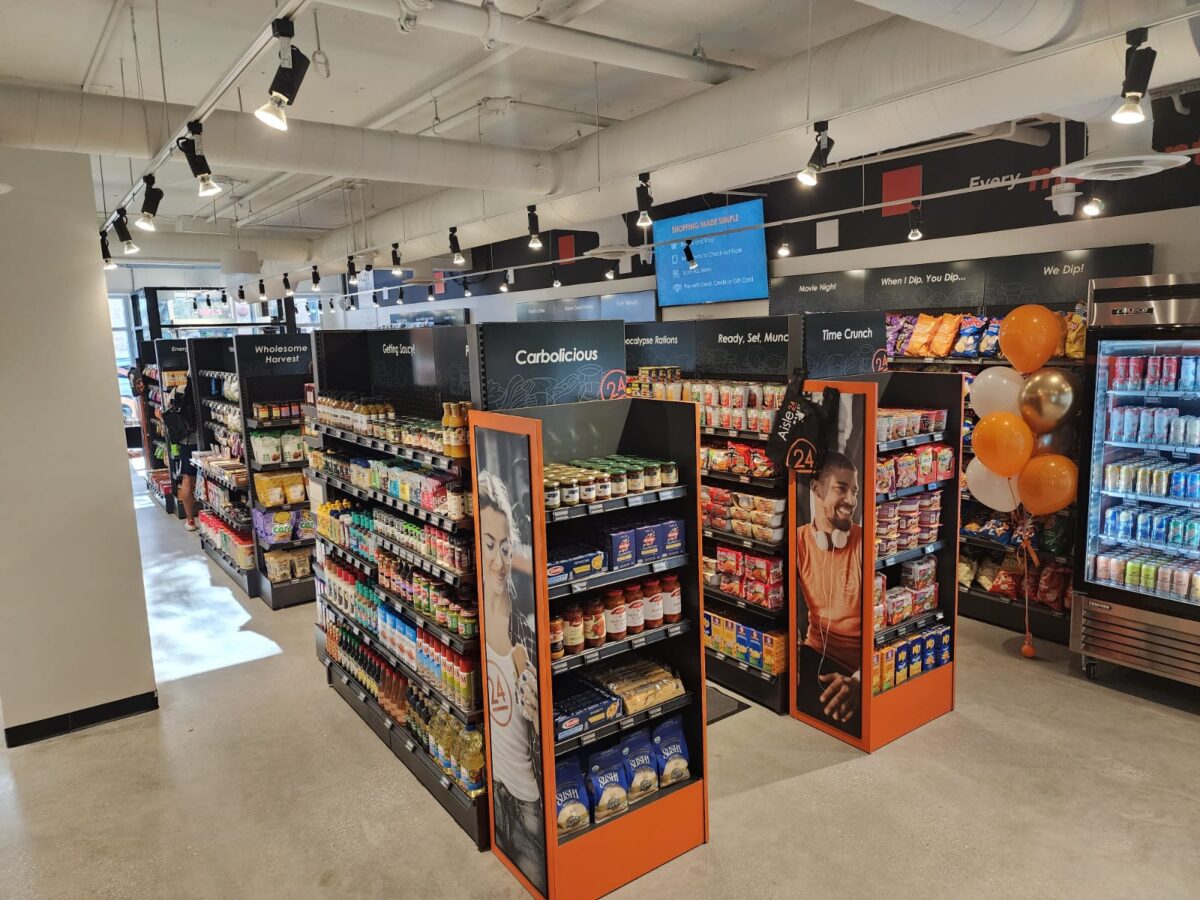
“Our sweet spot is around 1,500 to 1,800 square feet. Our smallest right now is 400 square feet and our largest is 2,300 square feet. So it really depends on various factors that we’ll look into – demographics, traffic, all that stuff to determine what we feel is a good suitable space,” said Douang.
The new concept being introduced in Newfoundland & Labrador is a much larger format than the company typically has in its existing stores. The ones being explored are about 6,000 square feet first and then another one closer to 12,000 square feet.
“We’re going with a much more fulsome, full grocery offering, produce, meats and everything you can find there,” said Douang. “The one thing we’ve learned through our research, our market studies there, is these more northern communities are really craving for some new experiences for products that aren’t readily available to them.
“Typically when large national brands go into these smaller communities . . . as they enter these markets they see tremendous response from the local communities because they don’t have ready access to some of these offerings.”
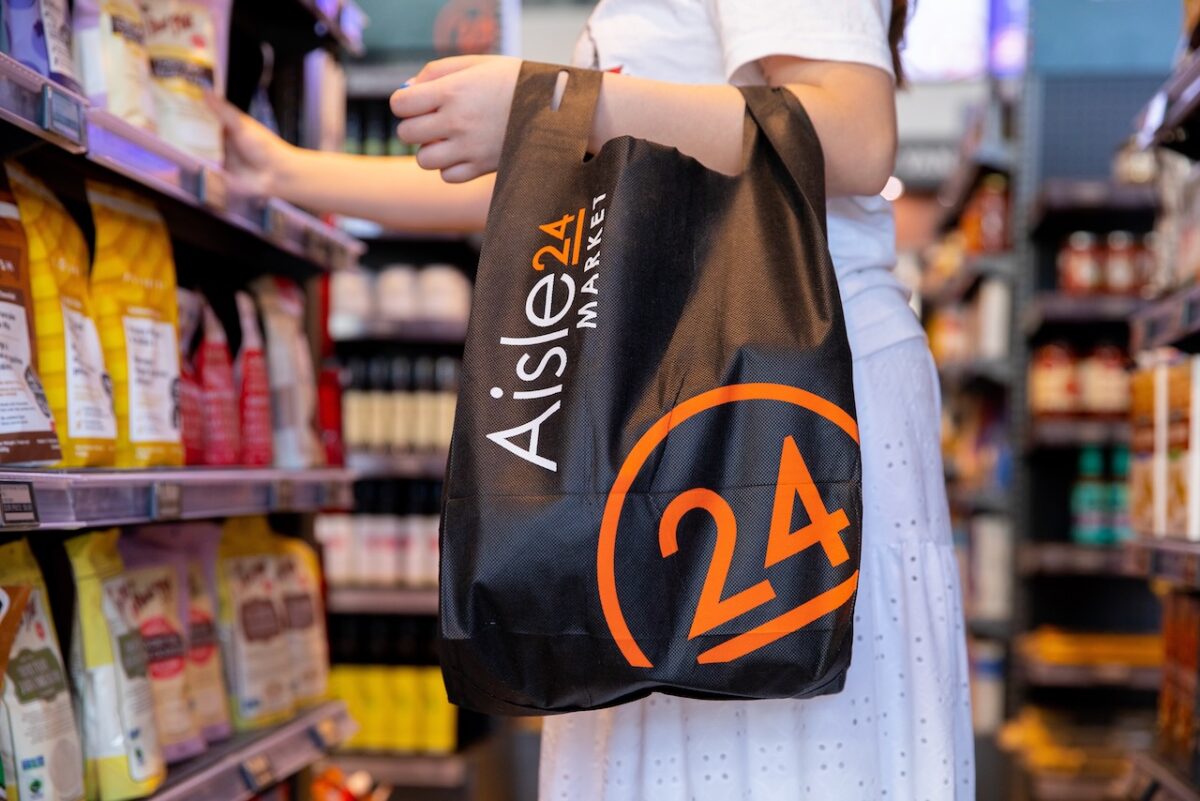
The first and smaller location will be Labrador City with the second one in Happy Valley-Goose Bay. The first will open sometime this summer but the larger one will likely come in 2025.
“The purpose around piloting this year is for us to understand the consumer habits, behaviours, needs and wants, within more of the northern communities. What we know is that a lot of these northern communities have challenges with food and groceries. They’re very expensive. There are some areas where there are a lot of community that needs to be done,” said Douang.
“So we want to understand that market so that we have the opportunity to also enter more northern cities. Northern Alberta. We’ve had interest in the Northwest Territories. So we want to start somewhere where it’s a lot easier more accessible like Newfoundland and likely to expand in Newfoundland as well. And then understand that market, and then look at the rest of northern Canada.”
He said the beautiful thing about what the company is doing is that it’s really scaleable and the format can go up and down in size as Aisle 24 sees the need for it.
“We are in several discussions within Ontario for some non-traditional. So things like hospitals, higher end retirement communities, transit oriented locations. And then looking at locations that we can potentially take over. Existing businesses that couldn’t sustain over the COVID era and looking at those opportunities to take over as well,” said Douang.
“We feel that we can go into a lot of different areas where there is a need for convenience, a need for food. We just want to make sure that we aren’t taking on too many non-traditional locations at the beginning. We want to trial it, test it, make sure it’s working and then we can expand the footprint from there.
“We’re looking at several opportunities (like standalone locations) now. We still like to stick to the urban centres like Toronto and then the GTA just surrounding. But we’ve also looked at the potential for opportunities in more of the suburbs as well. What we’re finding is that there are some suburban communities where they may have had a small to medium-size grocer that unfortunately didn’t make it, shut down, and now the residents of these smaller communities have to commute for 30 minutes to get groceries.”
Aisle 24 is represented by Oberfeld Snowcap.
Douang said the potential for future growth is into the several hundreds in locations. Beyond that, the company is looking at strategic partnerships with several organizations across Canada which would help with more multi-unit structures. For example, partnering with developers where the concept would go into all of their developments both existing and new.
“I always like to reach for the stars,” he said. “Over time, there’s going to be thousands of Aisle 24’s. If you say within the next five to 10 years, several hundred.”
Planning has already started looking into expansion into the United States as well.
“We are in plans right now to launch out in B.C. I would say in the Spring we’ll have a couple of locations opening up. A lot of these learnings that we’re gathering are going to fuel our future plans,” explained Douang. “We want to be able to adapt our format to different settings. If the need calls for it, then yes we’d like to explore larger formats even in urban areas.”
He said some new technology for the brand is “coming down the road map.”
“As we know, at least in Ontario, the Conservative government is moving towards a more open access to alcohol and so they’re changing the master framework, the agreement they have with the Beer Store, and those conglomerates, to open it up to grocery stores and convenience stores,” added Douang. “We are well on our way in preparation for that with some new tech that we feel will be a great benefit to the small formats. We do also have some other special partnerships as well that we’re working on.
“We’re going to be piloting it this year in a couple of locations in Ontario, pending the outcome of that, we’ll look at rolling it out. But I won’t name names now because I want to make sure we do it right.”
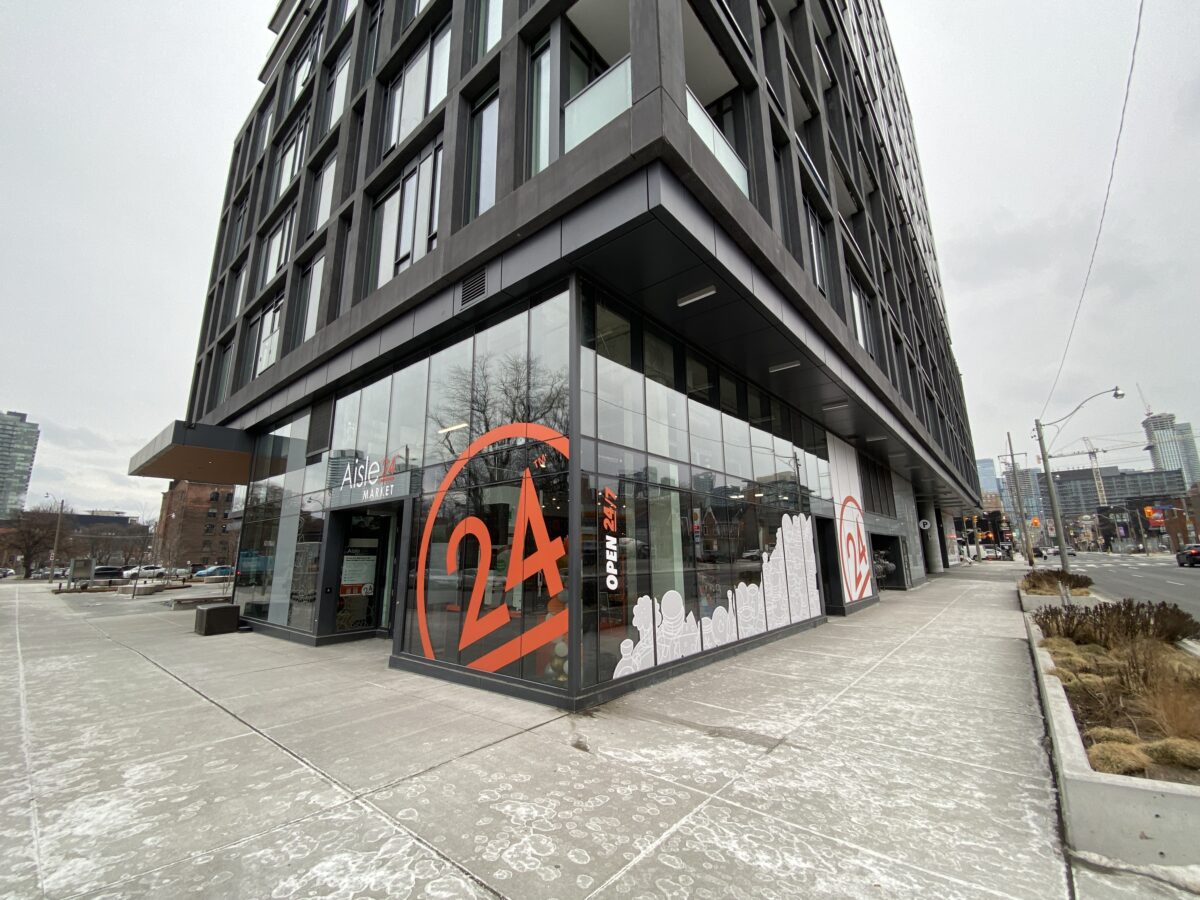
Entering an Aisle 24 store is completely touchless. Customers can open the app on their smartphone as they approach the Bluetooth-enabled 2N intercom at the store door, which then displays an UNLOCK message and releases the door. Once inside, they can load their cart and then self-checkout at the register kiosk.











I’m surprised to see they’re expanding as I’ve tried twice now to sign up on my Android phone but the app just doesn’t work – error messages, it can’t scan my card, doesn’t recognize my email when I try to log in again. I gave up.
I live by one in Toronto and the 24-hour convenience is a bonus, but their prices are frankly atrocious. I’d think not having staff on hand would reduce costs that could be then passed down, but not. So while I do use them sometimes, it’s only in a pinch.
Can you give an example of how the prices are compared to other grocery outlets?
I saw this opportunity 10 years ago in Taiwan, Auchan RT Mart did launch a store in Taipei. Glad to see it available in Canada.
I would love to help your company, I am the owner of Dan d Pak a 36 years old brand in Canada, our signature Cashews sold in 908 gram jar at Loblaw, 500 gam jar in Walmart, we are a grower , roaster, packer, manufacture packaging , in paper canister, plastic and real estate.
Our signature product in HK, Japan is our Canadian Oats, everyone saw our Dan D pak snack in YVR. We are one of the largest private label company for Nuts, cereal, spices.
Have your purchasing dept to contact us we will offer your chains lowest price to kick start, otherwise you won’t do good, everyone complains price being astronomical. Logistic is main cause, no buying power, carry wrong brand product, unlike Walmart , Trader Joe, they buy from manufacture, not brand, they deal directly with w factory. Small or big buy from source.