

Ontario-based SP Studios Canada is currently in discussions with a Qatari private fund to secure $500 million in financing to establish the most technologically advanced virtual production hub in Canada.
As negotiations advance, SP Studios says that it is gearing up to finalize all design work, with construction expected to commence in the third quarter of 2024 and the project tentatively slated for completion in early to mid-2027.
The announcement follows SP Studios’ opening of Canada’s most advanced film production facility in Mississauga earlier this year. The new investment will expand on the initial initiative with a massive investment that will make SP Studios a major player in TV, film and video advertising.
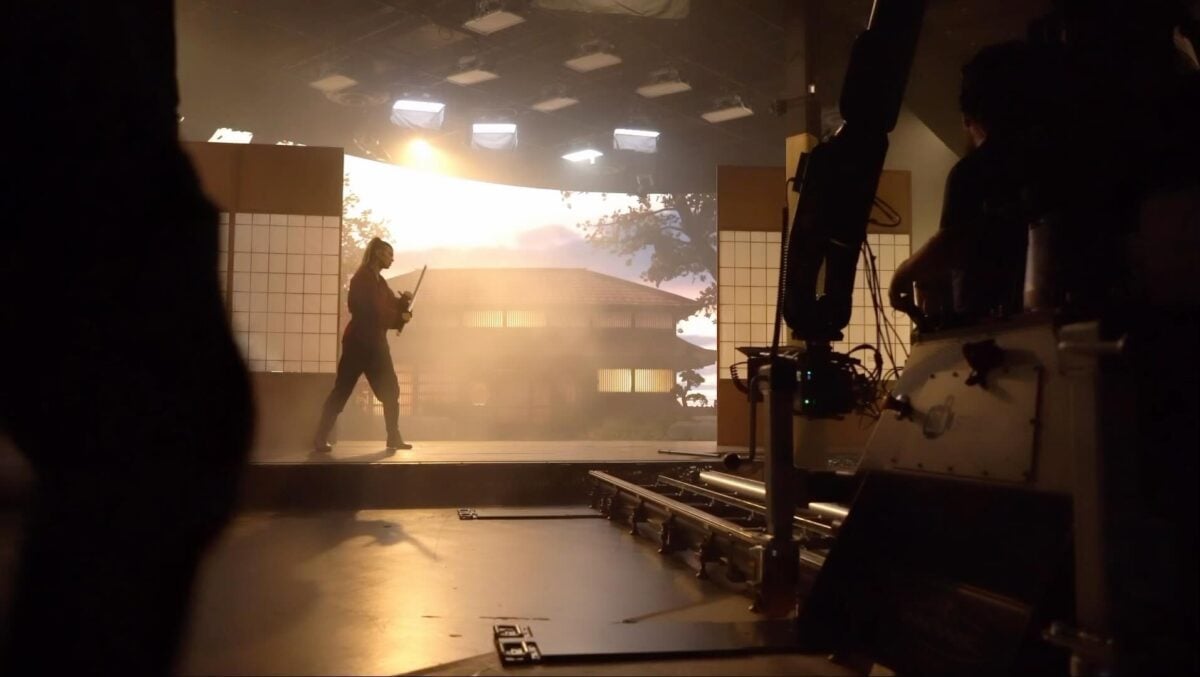
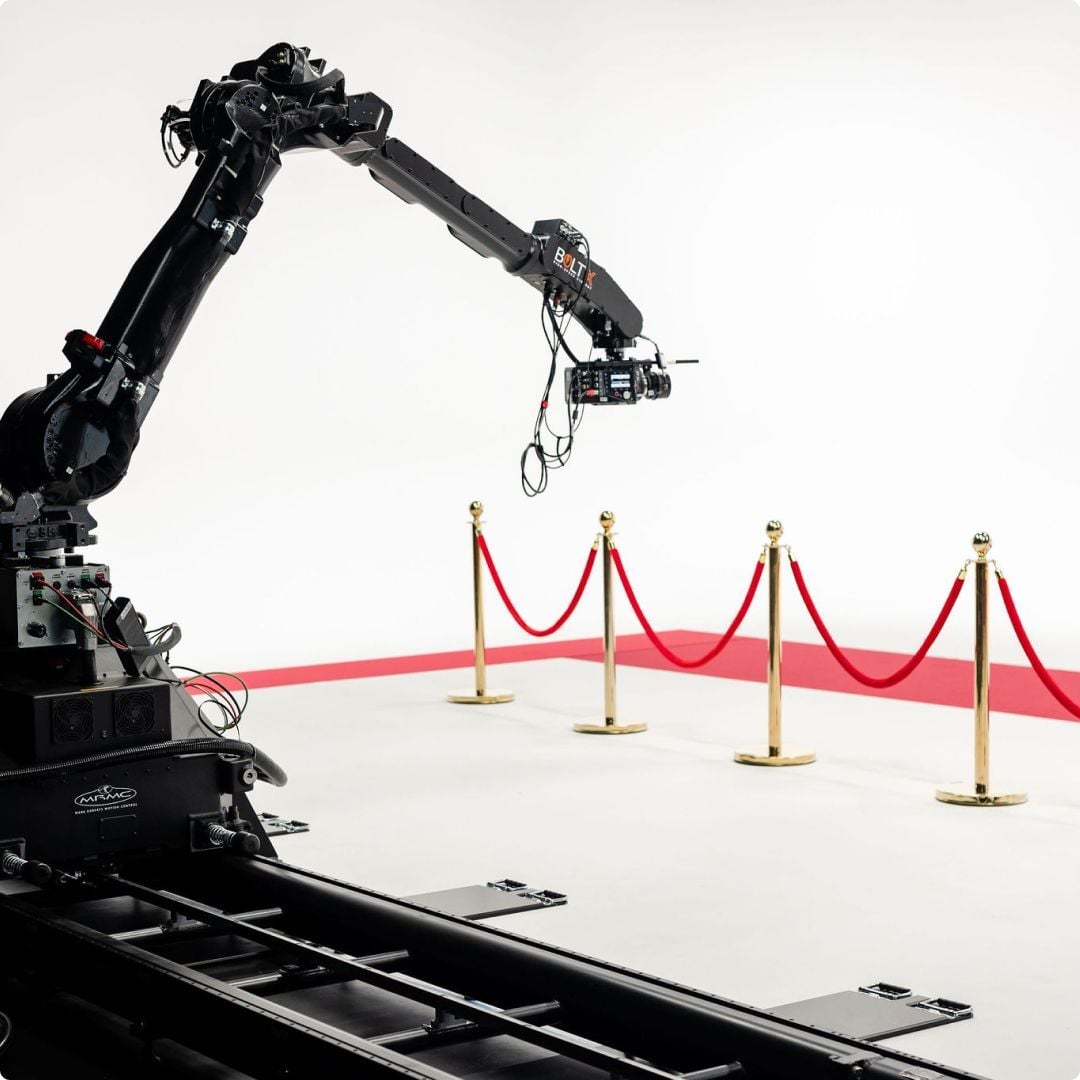
Virtual production technologies have shifted the movie production landscape in recent years. SP Studios Canada has emerged as a trailblazer in the Canadian virtual production domain, boasting its state-of-the-art 12,000 square foot facility in Mississauga where numerous high-profile clients routinely leverage their services. Incorporating cutting-edge technologies from renowned manufacturers such as Arri, Leitz, Brompton, Sony, Absen, and Mark Roberts Motion Control, the facility features everything from advanced LED walls to studio lighting and motion control robots.
Adding to the success of SP Studios Canada is the integration of Artificial Intelligence (AI). AI has revolutionized virtual production, enhancing efficiency and realism across various creative industries. In the realm of film and television, AI-driven technologies like machine learning and computer vision facilitate real-time rendering, motion capture, and scene optimization.
At SP Studios Canada, AI not only sparks creative ideas but also enables real-time pre-visualization of projects before they come to fruition. This adaptive technology enhances interactions between live actors and virtual elements, fostering seamless integration between the physical and digital realms in virtual production. Moreover, AI empowers creative individuals, such as freelancers without access to substantial computing power, by facilitating content generation and improving workflows to meet specific requirements.
For example, at SP Studios, AI is employed to rapidly upscale videos and images to the required resolution, allowing freelancers to access and edit content efficiently for final client approval. Consequently, AI not only reduces the time and costs associated with visual content creation but also optimizes workflows for superior client outcomes.
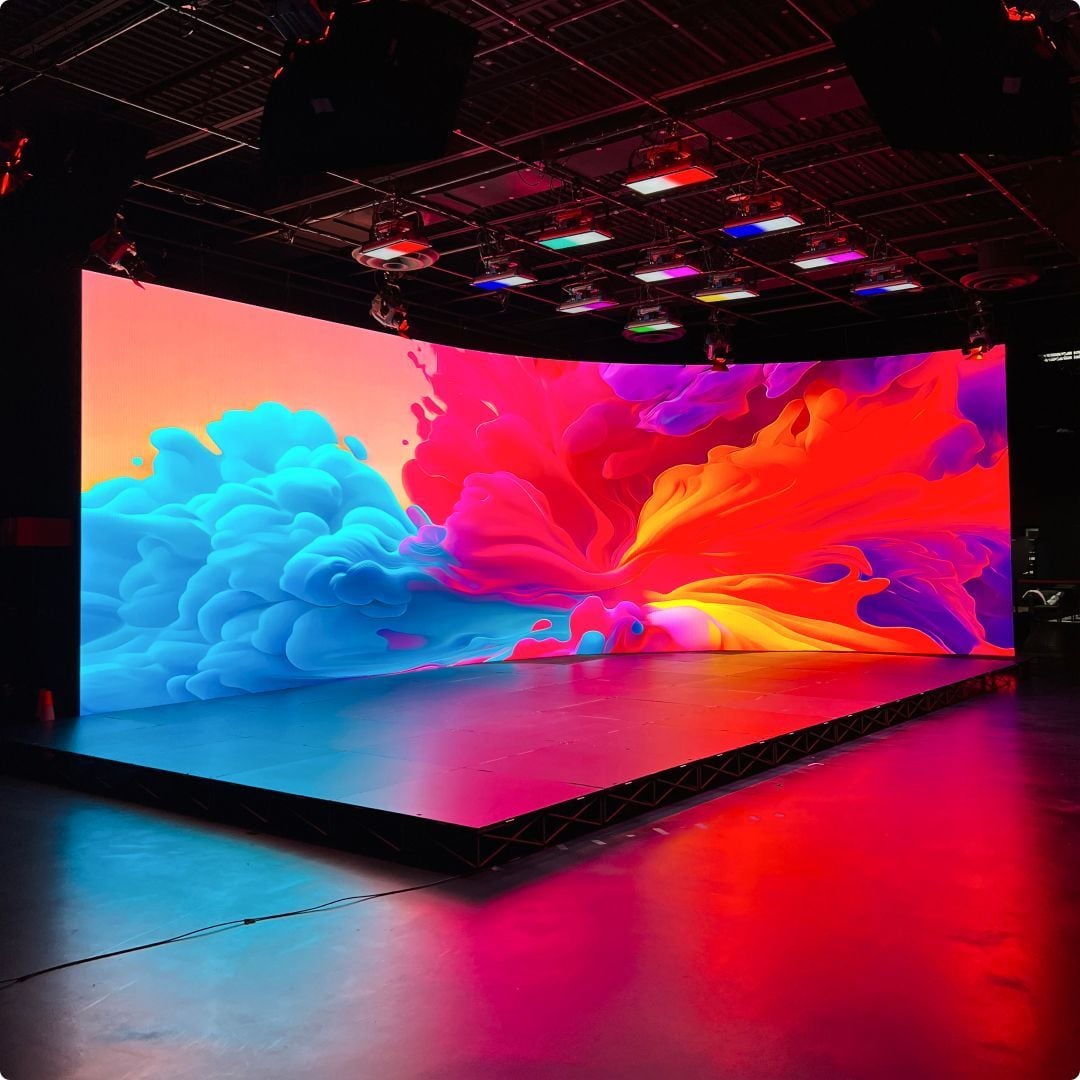
But what precisely is virtual production? It’s a video content creation technique that leverages advanced technologies to seamlessly integrate computer-generated imagery (CGI) and physical sets in real-time. Unlike traditional green screen methods, virtual production empowers directors to visualize and capture intricate scenes more immersively and efficiently.
The popularity of virtual production has surged for various reasons, primarily due to its ability to streamline the filmmaking process. By merging practical sets with digital elements in real-time, filmmakers can make on-the-spot creative decisions, ultimately saving time and resources. This technique gained widespread attention with the extensive use of virtual sets in productions like The Mandalorian.
Key technologies are steering the virtual production revolution:
- LED Walls: Large screens displaying high-resolution virtual environments in real-time offer actors and filmmakers a more immersive experience while reducing the need for extensive post-production work.
- Motion Capture and Virtual Cameras: Real-time motion capture technology seamlessly integrates live-action performances with virtual elements, while virtual cameras enable directors to explore virtual environments and capture shots as they would on a physical set.
- Game Engines: Integral to virtual production, game engines like Unreal Engine and Unity enable the creation of detailed virtual worlds and facilitate real-time interaction with the digital environment.
Initially popularized in science fiction and fantasy genres, virtual production is now making its mark across various film genres. From dramas to comedies, filmmakers are embracing the versatility and efficiency that virtual production brings to the table. Moreover, it has facilitated global collaboration by allowing teams to work together in virtual spaces, proving invaluable for international productions. With the ability to make instantaneous changes to virtual environments, filmmakers can experiment with storytelling in unprecedented ways, opening the door to dynamic narrative structures and personalized audience experiences.
The virtual production industry is poised to be one of the fastest-growing segments in filmmaking and the movie industry as a whole. According to a report by Mordor Intelligence, the virtual production market is expected to grow at a CAGR of over 15% from 2021 to 2026. LED walls in virtual production are also on the rise, with a predicted market value exceeding $900 million by 2027, as per a study by Global Market Insights. A survey by the Visual Effects Society found that 67% of respondents believe virtual production will significantly impact the film and television industry in the next 2-5 years.
Virtual production has marked a new era in filmmaking, transforming how movies and commercials are conceived and created. As technologies evolve, virtual production is poised to become even more widespread, influencing not just the creative process but also the economics of content production. Filmmakers and industry professionals are embracing this innovative approach, and as virtual production becomes more accessible, it stands to shape the future of the cinematic experience.
More information about SP Studios Canada will be forthcoming as the company finalizes negotiations for the new GTA production facility. Retail Insider will follow up on this as new information is obtained.

