

Getting a product from the idea to the store shelf is rarely simple. It involves dozens of moving parts, frequent revisions, and often—delays. That’s why more companies are turning to 3D product modeling to simplify and speed up their product development workflows. Using 3D modeling services, brands can create, test, and revise digital prototypes long before anything physical is made. That means faster launches, fewer mistakes, and more confident decision-making. This article explores how 3D modeling makes all of that possible—and why it’s quickly becoming a must-have for retailers competing on speed and innovation.
Retailers know this well: consumer preferences shift quickly, trends change overnight, and competition doesn’t wait. Getting caught in slow design cycles can mean missed windows, wasted resources, and products that launch too late to matter.
3D modeling services are helping companies avoid those problems. By bringing ideas to life digitally, brands can clarify what they’re building, test ideas earlier, and cut time from every stage of development. Instead of shipping sketches back and forth or relying on vague conversations, teams can collaborate around a high-resolution, interactive model.
Speed and accuracy? You finally get both.
The Role of 3D Modeling in Modern Product Design
Thanks to 3D modeling, what used to require several rounds of physical prototyping can now happen virtually. It’s like building the product in a digital sandbox—changing colors, reshaping parts, adding textures, and even testing how it performs under pressure—all before making anything tangible.
These models aren’t just visual. They’re technically precise, meaning engineers can measure tolerances, marketing can review aesthetics, and manufacturers can prep tooling—using the same source. That unified workflow minimizes mistakes and ensures every stakeholder sees the same thing.
By investing in 3D modeling services, brands remove the blind spots that slow development and inflate costs.
Benefits of Accelerated Time-to-Market
Time isn’t just money—it’s market share. Launching faster can be the difference between leading a trend or following it. Here’s how speeding up pays off:
- Competitive Advantage: Being first means you set the standard and grab consumer attention before others even launch.
- Cost Savings: Every delay eats up a budget. Digital iterations are cheaper and faster than physical ones.
- Enhanced Responsiveness: You can pivot quickly when trends shift or feedback occurs.
- Improved Product Quality: More time gets freed up for testing and fine-tuning instead of scrambling to meet deadlines.
Those benefits add up quickly, and with 3D modeling services handling the heavy lifting, they’re easier to reach than ever.
Case Studies: Success Stories in Retail
Let’s talk about real results. Using digital modeling, one household appliance brand shaved 10 weeks off its development cycle. They created a full 3D version of their new product and tested everything—from airflow dynamics to how buttons felt in the hand—without a single plastic prototype.
Another company, a boutique cosmetic startup, used a 3D product modeling company to design sustainable, refillable packaging. They tested different shapes, lock mechanisms, and textures digitally. By the time the prototype was manufactured, it was nearly final. There was no back-and-forth. There was no waste.
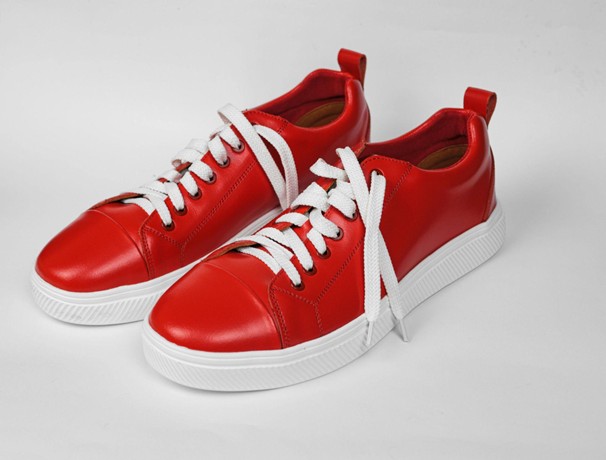
One shoe brand even used product 3D modeling services to test dozens of sole configurations digitally, then used customer feedback from digital previews to finalize their design. Thanks to the data they gathered early, their launch was not only faster but also more successful.
Integrating 3D Modeling into the Product Development Workflow
How do you start using 3D modeling in your product pipeline? It’s more straightforward than it sounds—and you don’t need to rebuild your process from scratch.
Step one: choose a 3D modeling service that understands your industry. The right partner will deliver great visuals and help translate technical specs into usable, manufacturable models.
Next, feed them your concept—whether that’s a sketch, a CAD file, or just a list of features. They’ll develop an initial model that can evolve through multiple iterations. This is where collaboration shines. Designers, engineers, and marketing teams can all review and comment on the model in real-time.
Finally, once approved, your digital model becomes the foundation for everything that follows: prototyping, tooling, packaging, and even advertising. Working with a solid 3D product modeling studio makes this transition smooth and reliable.
Future Outlook: The Evolving Landscape of 3D Modeling
Tech in this space is moving fast. AI is starting to play a role in automating the modeling process. Algorithms can recommend design tweaks, detect weak points, or even generate base models from reference images. That’s a big deal when you’re racing against a deadline.
At the same time, real-time rendering and immersive tools are becoming more common. Want to preview how your product looks on a shelf or in someone’s hand? Tools powered by 3D object modeling service providers can place it in a virtual store or simulate user interaction.
And we’re just scratching the surface. As more companies adopt 3D modelling services, expect new collaboration platforms, better material simulations, and even integrations with 3D printing for faster prototyping.
The key takeaway? This isn’t a trend—it’s the future of product development.
Conclusion
There’s no going back. Static sketches and slow physical iterations just don’t cut it anymore—not when trends move fast and consumer expectations are sky-high.
3D modeling services give you the speed, flexibility, and clarity you need to develop smarter, move faster, and reduce risk. Whether you’re designing packaging, consumer electronics, or fashion accessories, these services bring your team into alignment and your product closer to launch—without delay.
Need to turn your next idea into a real, market-ready object faster than ever? Then it’s time to work with a 3D product modeling company that gets your vision and delivers. With the right tools, and the right team, the journey from concept to shelf doesn’t have to be stressful. It can be your competitive edge.

