

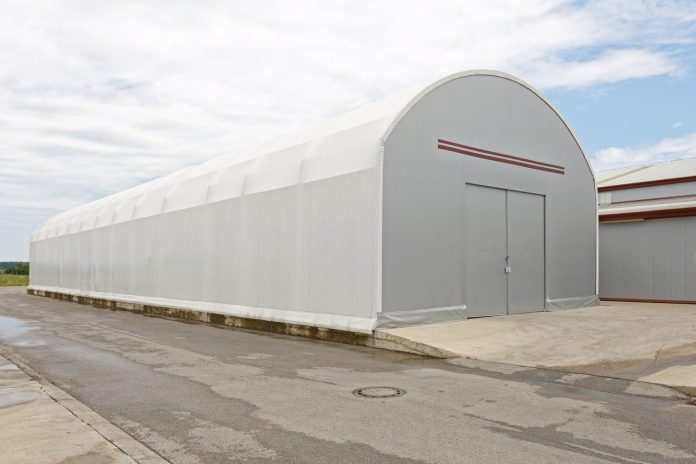
The retail industry currently faces a period of rapid transformation. Consumer preferences shift quickly, and the traditional model of long-term commercial leases in static brick-and-mortar buildings often fails to keep pace. Retailers now require physical spaces that can grow, shrink, or relocate based on real-time market data. Modular construction offers a practical solution to this volatility. By utilizing off-site manufacturing processes, businesses can deploy high-quality retail environments in a fraction of the time required for traditional builds.
As brands experiment with pop-up concepts, neighborhood-specific showrooms, and hybrid fulfillment centers, the ability to adapt the physical footprint becomes a primary competitive advantage.
Accelerated Deployment and Structural Efficiency
Speed serves as the most significant driver for adopting modular systems in the retail sector. When a developer chooses a pre-engineered building for a new shopping complex, they significantly reduce the timeline from groundbreaking to grand opening. Factory-controlled environments allow for the simultaneous preparation of the site and the fabrication of the structure.
Because technicians manufacture the modules in a weather-protected facility, the project avoids setbacks caused by rain, snow, or extreme temperatures. Retailers benefit from this predictability, as it allows for precise inventory planning and marketing launches. Furthermore, these structures meet or exceed the rigorous building codes of permanent installations, ensuring that the accelerated pace does not compromise the safety or longevity of the retail space.
Financial Advantages of Scalable Infrastructure
Modular systems fundamentally change the capital expenditure model for modern retailers. Traditional construction involves high upfront costs and significant risks associated with onsite labor and material waste. In contrast, the modular process minimizes waste through precise engineering and material recycling within the factory setting.
Beyond the initial build, the inherent flexibility of these units allows owners to adjust their investments over time. If a specific location sees higher-than-expected foot traffic, the business can simply add more modules to increase the floor area. Conversely, if a market underperforms, the retailer can disassemble the units and move them to a more profitable region. This mobility protects the company’s capital by preventing the total loss of investment often associated with closing a traditional storefront.
Supporting Diverse Retail Formats and Logistics
The industry now encompasses various formats, including drive-thru coffee kiosks, massive warehouse clubs, and automated ‘dark stores’ for last-mile delivery. Modular construction supports this diversity by offering a kit-of-parts approach to design. Architects can configure standardized components into unique layouts that serve specific operational needs. For instance, a brand might require a structure that prioritizes a large loading dock for delivery drones while maintaining a small, high-end showroom for walk-in customers.
Modular manufacturers can integrate specialized HVAC systems, heavy-duty flooring, and advanced security tech directly into the units during the assembly phase. This customization happens without the complications of coordinating multiple subcontractors on a busy urban job site. The resulting structures function as high-performance tools tailored to the specific logistical demands of the business.
Integration with Defense and Remote Operations Standards
The technology powering modern modular retail actually draws heavily from industrial and defense sector innovations. For decades, military organizations and energy companies have relied on rapid-deployment structures to establish operational bases in remote or harsh environments. These sectors demanded buildings that could withstand extreme stress, facilitate easy transport, and offer immediate functionality upon arrival.
Retailers are now reaping the rewards of these rigorous engineering standards. The same structural integrity required for a remote research lab now ensures that a suburban retail module can handle heavy foot traffic and frequent reconfiguration. By adopting these industrial-grade standards, the retail industry gains access to a level of durability and portability that traditional commercial construction simply cannot match.
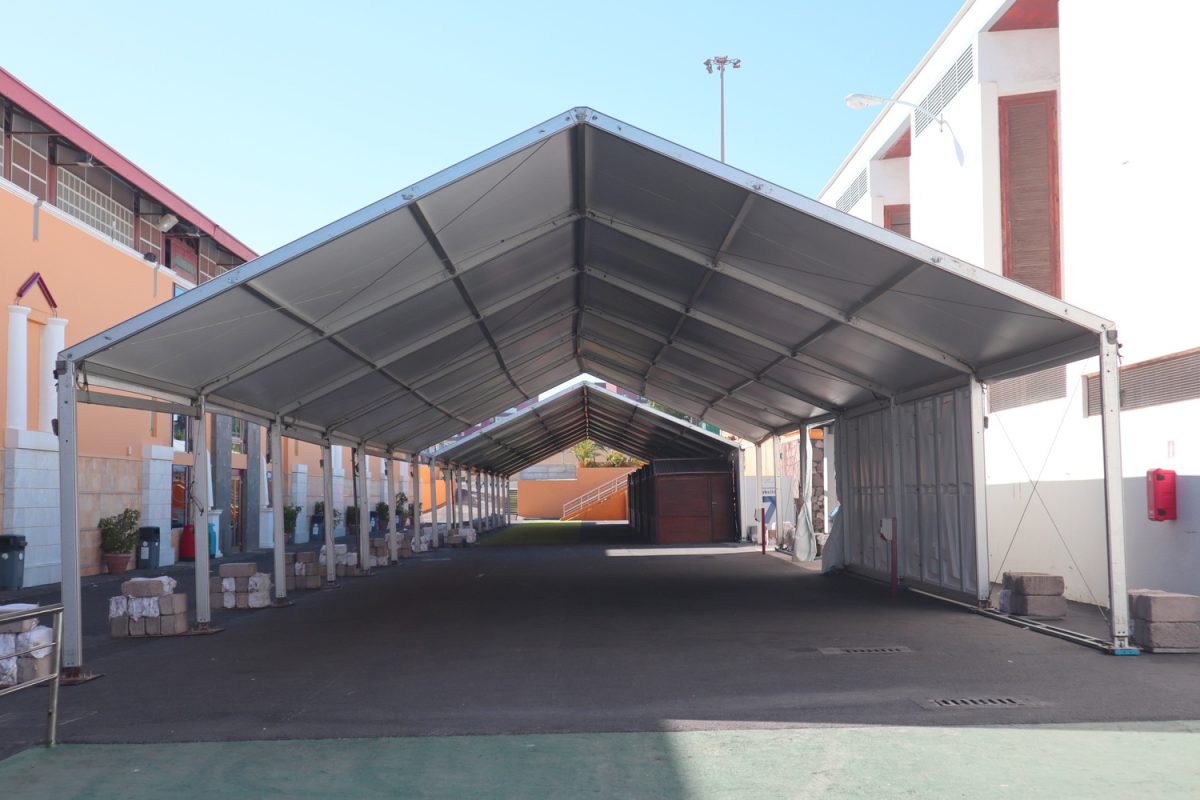
Environmental Stewardship Through Reusability
Sustainability has moved from a niche concern to a core business requirement for major retail entities. Modular construction aligns with these environmental goals by emphasizing the reuse of materials. Traditional demolition generates massive amounts of landfill waste when a store closes or undergoes a major renovation. Modular buildings, however, allow for deconstruction. Workers can take the building apart, refurbish the components, and use them in a new project elsewhere.
Additionally, the tight tolerances achieved in a factory setting result in superior insulation and energy efficiency. Retailers lower their operational costs through reduced heating and cooling needs while simultaneously meeting their corporate social responsibility targets.
Conclusion
The shift toward modular systems represents a fundamental departure from traditional real estate philosophy in the retail sector. Commercial developers and global brands no longer view physical storefronts as permanent, depreciating assets tied to a single geographic coordinate. Instead, these entities now treat their physical infrastructure as a versatile toolkit capable of rapid reconfiguration to meet fluctuating market demands.
Ultimately, the adoption of these flexible footprints allows the industry to minimize financial risk while maximizing the operational efficiency of every square foot of occupied space. This strategic transition ensures that the built environment functions as a dynamic driver of growth rather than a static overhead cost.

