

A lawn mower can only cut as well as the blade attached to it. Many people focus on engine power or mower brand, but experienced lawn owners know the blade does most of the real work. The right blade slices grass cleanly, keeps your lawn healthy, and makes mowing easier on the machine. Whereas a wrong blade can tear grass, cause vibration, and even shorten the life of your mower.
If you want your lawn to look neat and healthy, you need to understand a few key factors before choosing a blade.
1. Match the Blade Size to Your Mower Deck
The first thing you should always check is blade size. Every mower deck is designed for a specific blade length. If the blade is too short, it will not cut evenly. If it is too long, it may hit the deck or spin poorly.
Common mower blade sizes include
- 21 inches: usually used in push mowers
- 42 inches: common in residential riding mowers
- 46 inches: often found on mid-size lawn tractors
- 54 inches: used in larger riding mowers or garden tractors
For example, most push mowers use 21 inch mower blades, while many riding mowers operate with 42 inch mower blades depending on deck size.
Before buying a blade, measure the old one from tip to tip or check your mower manual. The center hole and mounting pattern also need to match.
Many homeowners choose sets like 21 42 54 inch Hipa Lawn Mower Blades on amazon because they cover several common deck sizes and are built for easy installation. A proper fit prevents vibration, protects the spindle, and allows the blade to spin at the correct speed.
2. Choose the Right Blade Type for Your Grass
Not all blades cut grass the same way. Different blade designs handle different lawn conditions.
High-Lift Blades
High-lift blades have a steep upward curve at the back edge. This shape creates strong airflow that lifts grass upright before cutting it. These blades work best when:
- Grass is thick or tall
- You use a bagging system
- You want a very clean, striped finish
Some homeowners specifically look for models like 942-04308 High Lift Mower Blades, which are designed to increase airflow and move clippings quickly into the bagging system.
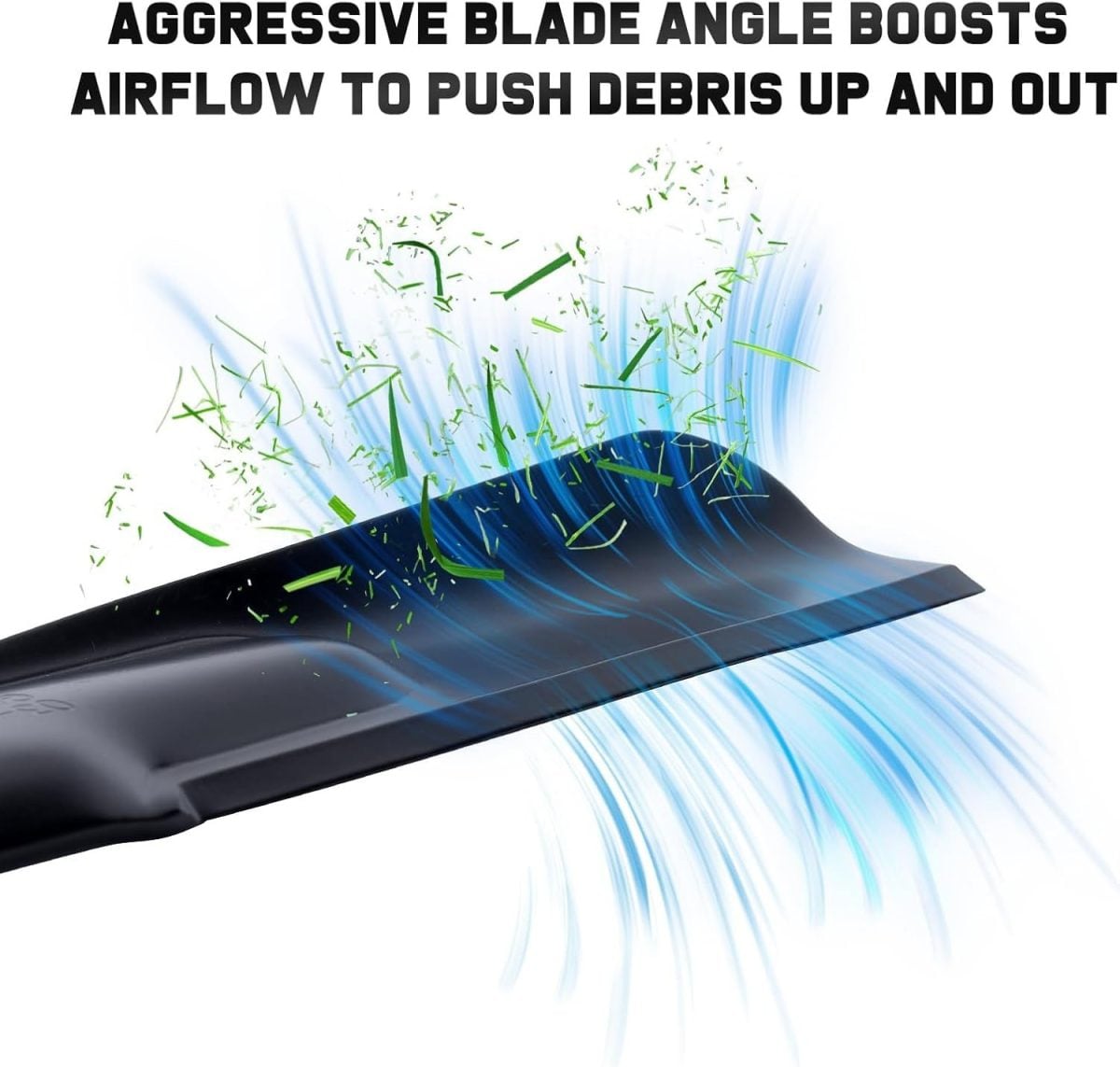
However, high-lift blades also move a lot of air, which means they may stir up dust in dry conditions.
Mulching Blades
Mulching blades (often called gator blades) have extra curves and small teeth along the edge. These features keep clippings inside the deck longer so they get chopped into tiny pieces. Benefits include:
- Natural fertilization for the lawn
- Less need for bagging
- Better performance during leaf season
Many mulching systems rely on blades similar to the 942-0741A Mulching Blade, which is designed to finely chop clippings so they break down quickly and feed the soil.
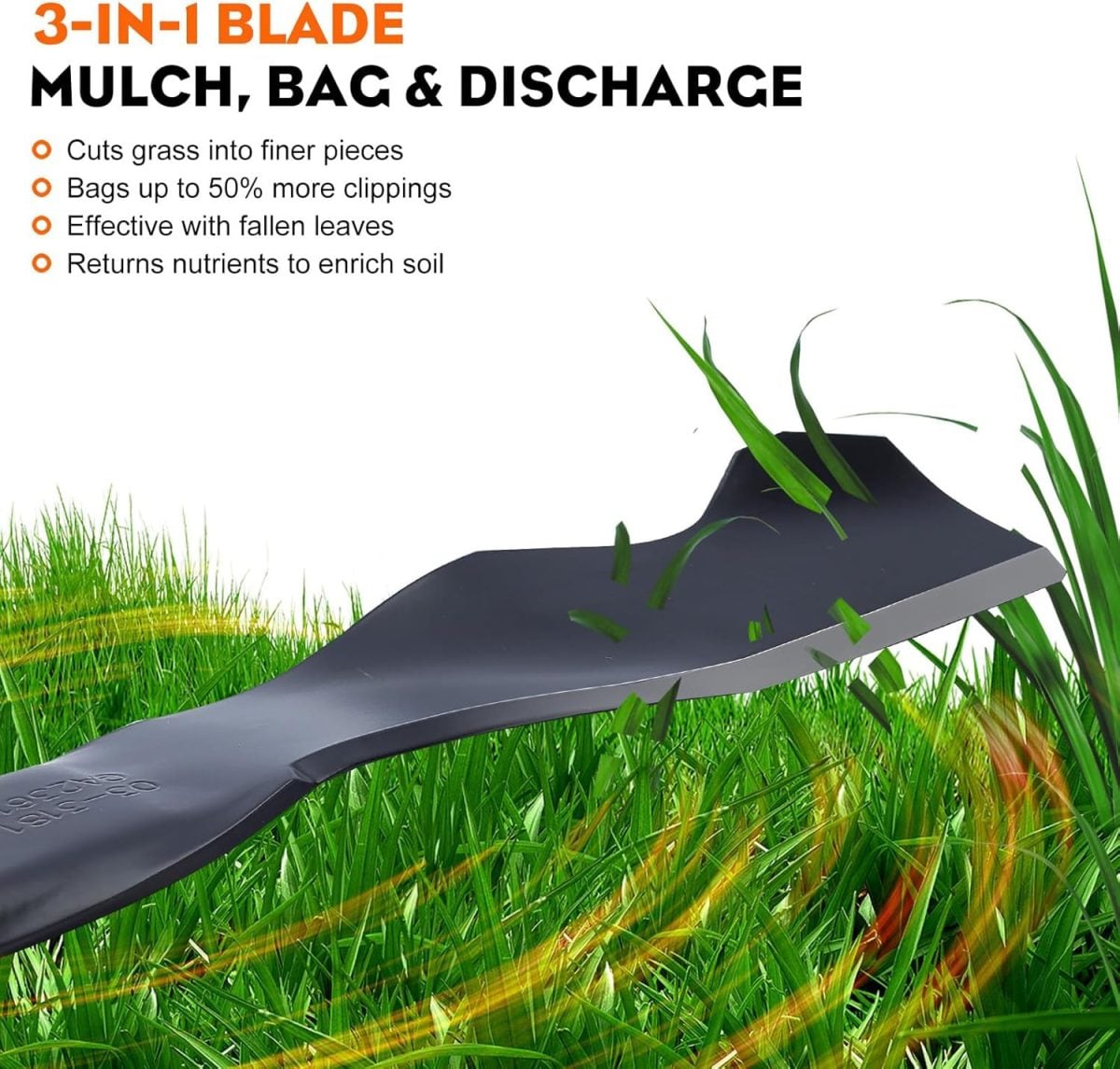
Lawns with Bermuda, Zoysia, or other dense grasses often respond well to mulching blades.
Low-Lift Blades
Low-lift blades create less suction. They work best on dry, sandy lawns where too much airflow would blow dirt into the mower deck.
A good rule many lawn professionals follow: match the blade to the grass conditions, not just the mower.
3. Pay Attention to Blade Material
Blade material determines how long the blade stays sharp and how well it handles impact. Better blades are usually made from heat-treated alloy steel or high-carbon steel. These materials provide two key advantages:
- They keep a sharp edge longer
- They bend slightly under impact instead of cracking
Cheap stamped steel blades may look similar, but they dull quickly and can tear grass instead of cutting it cleanly.
For homeowners who mow frequently or deal with tougher yard conditions, heavy-duty options like Hipa Lawn Mower Blades tend to last longer and handle rougher use.
A clean cut matters more than many people realize. Torn grass tips lose moisture faster and become more vulnerable to disease.
4. Understand Blade Lift and Airflow
Airflow plays a major role in how well your mower cuts. When a blade spins, it creates a vacuum effect under the mower deck. This airflow pulls grass upright so the blade can slice it cleanly.
If airflow is too weak:
- Grass bends instead of standing up
- The cut becomes uneven
- If airflow is too strong:
- Dust and debris get pulled into the deck
- The mower may clog in wet conditions
That is why blade lift matters. Taller lift wings create stronger suction, while smaller wings produce smoother, lighter airflow. Picking the right lift level helps the mower cut evenly and discharge clippings properly.
5. Check the Mounting Hole and Blade Balance
Even if the blade length is correct, the mounting hole must also match your mower.
Common mounting styles include:
- Round center hole
- Star-shaped hole
- Three-point mounting pattern
Always compare the new blade with the old one before installation. Balance is just as important. An unbalanced blade causes vibration that can damage bearings, spindles, and engine components.
A quick test is simple: place the blade on a nail or screwdriver through the center hole. If one side drops lower, the blade needs balancing before use.
6. Keep the Blade Sharp
Even the best blade will perform poorly if it is dull. Most mowing professionals sharpen blades every 20–25 hours of mowing time. Dull blades rip grass instead of slicing it, which leaves a brown or frayed appearance across the lawn. When sharpening:
- Maintain the original cutting angle (usually around 30 degrees)
- Remove equal material from both sides
- Check balance after sharpening
Sharp blades also reduce engine strain and improve fuel efficiency.
Final Thoughts
Making the right choice of lawn mower blade isn’t hard, but it does involve paying close attention to certain details. When you match the blade size, select the right cutting style, and choose durable materials, your mower performs better and your lawn looks healthier.
A sharp, properly fitted blade cuts cleanly, reduces strain on your mower, and helps your grass grow thick and green. With the right blade installed, mowing stops feeling like a chore and starts producing the neat, even lawn every homeowner wants.

