

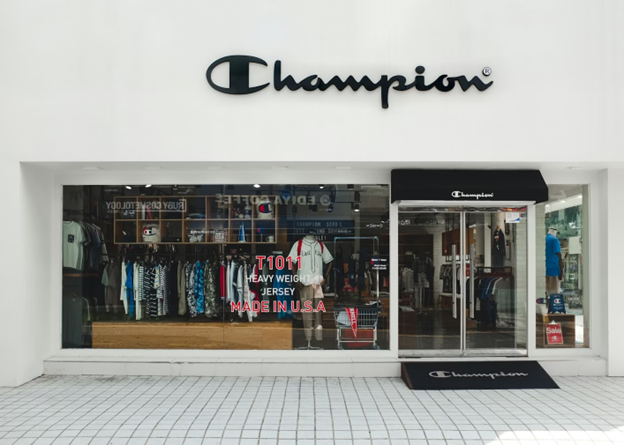
Traditional retail stores are only successful if they command a lot of foot traffic. People need to walk into your store for sales to happen – but how are some of the most successful companies drawing in new customers in the never-ending quest for foot traffic?
We can now reveal some of the best tips and marketing trends used in the retail industry by some of the biggest businesses around. These ideas have proven success rates, and some may suit certain retail businesses more than others. The right tactics depend on the company’s target market, though here’s what works at the moment:
Dominate Local SEO
Local SEO is the primary way a lot of consumers find a new business to visit. It works like this:
- A consumer searches for a business on their phone/computer
- Google presents searches that are in that person’s location – or the person uses a location identifier to find businesses in a particular area
- The person sees the results on Google Maps
- Each result has its own Business Listing, complete with reviews, pictures, and more information
Sometimes, local searches like this happen straight through Google Maps when someone is walking around a town/city looking for a shop, restaurant, or cafe to visit. Google makes it easy for them to literally find a business on the map and then go there. The best companies recognize the importance of local SEO and aim to dominate it.
The core focus here is to build a Google Business Profile and optimize it for local searches. Include as much information about the business as possible – and generate as many positive reviews as you can. A five-star company will always draw in foot traffic when someone searches for it through Google Maps. Moreover, not having a proper business profile means your company won’t be listed, which also means it misses out on so much foot traffic.
Empower The Use Of Signage
Successful retail companies know that signage is still one of the top ways to draw in new customers. These businesses implement tactical signage that grabs people’s attention as they walk down the street, encouraging them to stop and enter the shop. Multiple types of signage exist for this benefit, though some of the most useful ideas include:
- Window Signage: By utilizing die cut vinyl lettering, businesses can have signs imprinted onto their windows that stand out as someone walks nearby. The lettering can explain a particular deal, provide opening/closing time details, or simply inform passers-by of what you sell.
- Street Signage: Placed outside of your premises on the street, this type of signage serves to attract customers before they reach your doors. Street signage can look like one of those A-frame signs that you style however you want and use to include promotional material that grabs people’s attention. Or, you may be able to hang signs on nearby lamp posts or railings with directional arrows pointing people right to your store.
The more you look into the idea of signage for retail businesses, the more possibilities spring up. Some companies will use different types of signage during different periods – for example, they have signs to promote special sales or offers during the busiest shopping times. Others utilize signs for directions when they’re in a hard-to-reach location.
Grow An Instagram Presence
Social media remains a key piece of utility for retail businesses to grow and expand. What many traditional retail companies don’t realize is that this tool isn’t just for online businesses. While Instagram does involve lots of neat features that make it easier to drive sales through an online store, it can also be highly useful for foot traffic purposes.
This primarily comes down to how consumers use and perceive Instagram. It’s one of the most popular social networks, especially amongst people looking for new businesses. When a company establishes a brand presence on Instagram and shares content, it’s easier for consumers to discover that brand – either organically or through paid adverts.
Having a strong Instagram presence also adds authenticity to a retail store, which encourages more people to check it out. The good thing about Instagram, in particular, is that it does a great job of presenting businesses to people within the same geographical area, which means you get to target your main customer market. Will retail stores see a direct line of foot traffic that comes straight from Instagram? Sometimes, but it mainly works as an additional tool to build trust when combined with the other methods out there.
Set Up Worthwhile Loyalty Schemes
Unsuccessful retail businesses never harness the power of loyalty schemes. This stems from a place of fear; small businesses worry that loyalty schemes make them lose money because they’re constantly handing out discounts or freebies. That’s not going to happen if a scheme is done correctly.
The ideal approach is to have a loyalty scheme that encourages people to make repeat purchases in order to gain a particular benefit. Some companies use a points-based system that lets customers build up lots of points to cash in for discounts in the future. It’s popular because customers accumulate as many points as they want before using them. Obviously, the trick here is to make it so a customer spends more than the discounts they generate. E.g. To earn a $20 coupon, the customer has to spend at least $60.
Retail businesses will still make money with loyalty programs – if anything, it encourages them to make more money than they would without them. From a foot traffic perspective, loyalty programs encourage repeat visits to a store, which raises the average monthly foot traffic and sales for a company. More to the point, if retail businesses market these schemes effectively and display the benefits, they’ll drive new customers into the store to take advantage of the scheme. In the ongoing quest for foot traffic, many small retail businesses are in danger of falling by the wayside and being swept away. It’s time to take a leaf out of the successful company’s playbook and implement common tactics that are shown to work. Traditional retail cannot exist without foot traffic, so it’s all about encouraging people to pay your store a visit.

