

Online retailers, particularly small and medium-sized businesses, spend heavily on advertising, social media, and promotions to attract customers. Yet many overlook a valuable source of returning traffic that major e-commerce players recognized long ago: shoppers who have already made a purchase. Large stores and marketplaces such as Amazon, AliExpress and Temu have long kept customers engaged throughout the delivery process, while smaller retailers still routinely send them to external carrier websites.
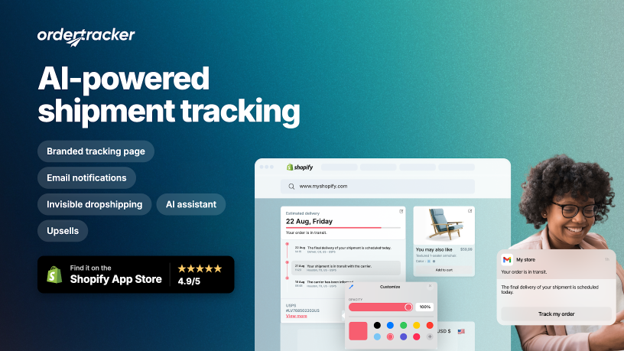
Customers check their orders an average of 5.7 times before delivery, according to Ordertracker’s research. For a Shopify store shipping 2,000 orders monthly, that’s more than 11,000 potential tracking interactions. Yet many shoppers are redirected to external courier pages. The Ordertracker Shopify app offers a way to keep those visits on the store, a page directly on the store where customers can check deliveries, discover related products, and potentially buy again.
The Traffic Retailers Are Giving Away
Think about the last product you ordered online. Chances are, you checked its delivery progress at least once, perhaps several times.
Major marketplaces have long understood the value of keeping customers engaged after checkout. Order updates, delivery notifications, and tracking information are built directly into their platforms, giving shoppers a reason to return throughout the delivery process.
Independent retailers haven’t always had the same tools. Many still rely on carrier links that take customers away from their stores, handing over valuable attention when shoppers are actively engaged with their purchases.
For businesses facing rising acquisition costs, that’s an opportunity worth reconsidering.
How Ordertracker Turns Tracking Into a Sales Opportunity
Ordertracker lets retailers bring shipment tracking directly onto their websites. For Shopify merchants, installation is straightforward, with a tracking page that matches the store’s branding.
When customers return to check a delivery, they can also discover products recommended by the retailer. Someone waiting for running shoes, for example, might encounter complementary sportswear or accessories.
These visits don’t require another advertising campaign. Customers already have a reason to return, and the retailer has another chance to make a sale.
Not every tracking visit will convert, of course. But even a modest number of additional purchases could make this previously overlooked traffic commercially valuable.
From Three Billion Packages to Online Storefronts
Ordertracker is considerably more established than its Shopify application might suggest.
The company operates a global parcel-tracking platform serving millions of users monthly. According to its figures, it has tracked more than three billion packages and supports over 3,500 carriers worldwide.
This matters because international deliveries often involve several shipping companies, from overseas warehouses to local couriers. Following those handovers across different websites can be frustrating for customers.
Ordertracker brings available shipment updates together in one place, simplifying the experience.
The company now makes this technology available to retailers through its Shopify application, as well as API and widget integrations for businesses using other platforms.
The Hidden Cost of Delivery Questions
There’s another financial benefit beyond additional sales: reducing customer support workloads.
Anyone running an online store knows the familiar questions: “Where is my order?”, “Why hasn’t the tracking updated?”, or “When will my package arrive?”
During busy periods, these inquiries can overwhelm small teams, even when shipments are progressing normally.
Ordertracker reports that its tracking and communication features can reduce delivery-related support requests by up to 70%.
For a retailer receiving 200 such inquiries monthly, that could mean approximately 140 fewer messages if the maximum reduction were achieved.
Customers can check shipment progress independently, receive automatic email notifications, and consult estimated delivery dates without contacting support.
That leaves employees with more time to handle genuine problems, returns, and other customer needs.
Why Black Friday Makes This More Relevant
With Black Friday and Cyber Monday approaching, retailers are preparing their promotions, inventory, and websites for one of the busiest shopping periods of the year.
But the real pressure doesn’t end at checkout. Higher order volumes bring more delivery inquiries, particularly when shipping networks become congested.
A clear, accessible tracking experience can help retailers manage that pressure while keeping customers connected to their stores.
For merchants considering a change, Ordertracker offers 30 days of free premium access with the code ORDER30. The offer isn’t exclusive to Black Friday, but retailers can use it to introduce branded tracking, automated notifications, and product recommendations ahead of the holiday rush.
Shopify merchants can install the application on existing stores, while other retailers can explore alternative integration options.
The Next Sale Might Already Be on Its Way
Retailers often look for growth through bigger advertising budgets, new channels, or more aggressive discounts.
Yet some of their most valuable opportunities may already exist within their current customer base.
Every delivery check is another moment when a shopper is thinking about a purchase. Keeping that interaction on the retailer’s website creates an opportunity to strengthen the relationship, recommend another product, or simply provide a better experience.
Ordertracker makes this approach accessible to businesses that previously relied entirely on external carrier websites.
After all, retailers have already paid to attract these customers, convinced them to buy, and arranged their deliveries.
Why send them somewhere else when they come back?

