

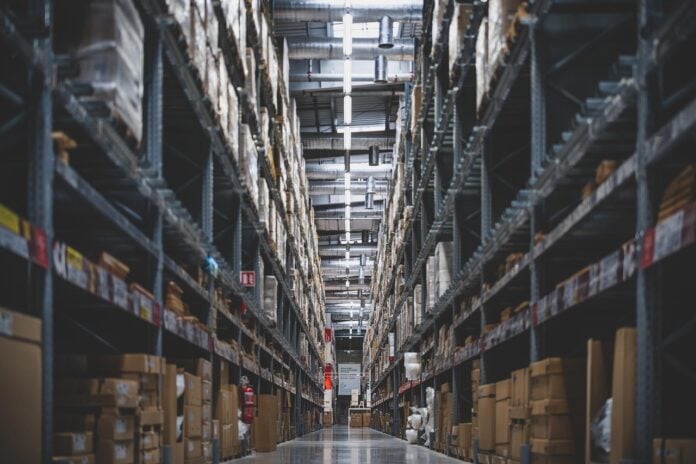
A well-run supply chain is often judged in the moments customers never see: an order picked without error, stock available at the right site, a shipment leaving on schedule, a delivery promise kept. That is where logistics and warehousing work together, but they do not play the same role. Warehousing keeps goods organised, protected and ready; logistics connects those goods to suppliers, production lines, stores and end customers. Understanding the difference helps businesses make better decisions on cost, speed and service quality.
What does logistics really cover?
Logistics is the wider operating system behind the flow of goods. It includes transport planning, freight forwarding, route optimisation, customs coordination, delivery scheduling, returns management and, increasingly, real-time visibility across markets.
In practice, logistics answers a simple but demanding question: how do we get the right product to the right place, at the right time, at the right cost? For a fashion retailer, that may mean air freight for a high-demand collection, sea freight for replenishment stock, and a carefully planned returns process after peak season. For an industrial manufacturer, it may involve synchronising inbound components from several countries so that production does not stop.
This is where logistics vs warehousing becomes more than a textbook comparison. Logistics is dynamic. It deals with disruption, capacity shortages, fuel costs, customs delays, driver availability and customer promises that become tighter every year.
What is warehousing, and why is it not just storage?
Warehousing is the controlled management of goods before they move again. It includes receiving, put-away, inventory control, picking, packing, value-added services, quality checks and dispatch preparation.
A modern warehouse is not a passive building filled with pallets. It is a decision point. Should fast-moving items sit closer to dispatch lanes? Should e-commerce orders be picked individually or batched? Should seasonal stock be stored centrally or closer to demand? These choices influence labour productivity, order accuracy, working capital and customer satisfaction.
Companies scaling their distribution often look beyond simple storage and compare models such as in-house operations, outsourced fulfilment or multi-site networks; for a practical view of how this can be structured, CEVA’s warehousing and fulfillment solutions show how storage, order preparation and distribution support can be combined within a broader contract logistics approach.
Where do logistics and warehousing overlap ?
The overlap appears at every handover. A delayed inbound truck affects warehouse labour planning. Poor inventory accuracy creates transport emergencies. A badly designed picking process can make even the best carrier miss delivery windows.
Consider a consumer electronics brand preparing for Black Friday. Warehousing teams must pre-position stock, organise fast-pick zones and manage returns capacity. Logistics teams must secure transport capacity, plan cut-off times and monitor delivery performance. If one side works in isolation, cost rises quickly: premium freight, overtime, missed orders, unhappy customers.
The strongest supply chains treat the warehouse as part of the logistics network, not as a separate cost centre. Stock location, transport frequency, packaging format and delivery promises are connected decisions.
Which function should businesses prioritise ?
The answer depends on the bottleneck. If products are available but deliveries are late, the issue may sit in transport planning, carrier performance or route design. If trucks leave on time but orders are incomplete or inaccurate, the warehouse process deserves attention first.
- Fast-growing e-commerce brands often need stronger fulfilment accuracy and scalable warehouse processes.
- Importers and exporters may gain more from better freight planning, customs coordination and lead-time control.
- Manufacturers usually need both: reliable inbound logistics and disciplined inventory management.
A useful diagnostic is to follow one order from purchase to delivery. Every delay, rework, manual check and stock discrepancy reveals whether the weakness is mainly logistical, warehousing-related, or structural across both.

