

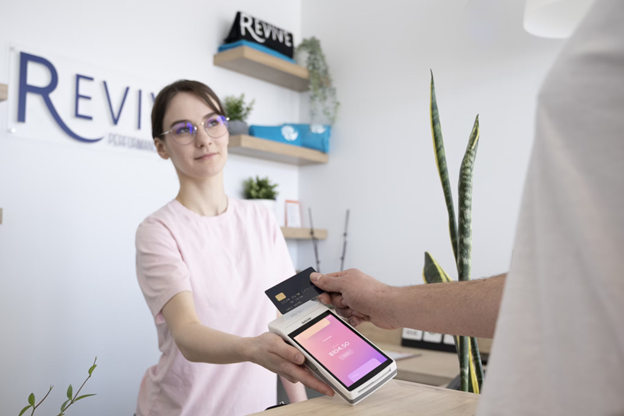
Staying competitive in the retail industry means more than just offering great products. Retailers must also provide exceptional customer experiences, both online and in-store.
As technology gets better, it presents new opportunities for retailers to connect with customers innovatively. Here are five ways retailers can use cutting-edge technology to deliver outstanding customer experiences.
1. AI-Powered Personalization
Artificial intelligence (AI) is massively shifting how retailers interact with customers. By analyzing vast data, AI can help retailers understand customer behaviors and preferences, creating space for highly personalized shopping experiences.
- Personalized product recommendations: AI analyzes customer browsing and purchase histories to suggest products tailored to their preferences. For example, online recommendations on e-commerce sites or emails featuring curated selections make shopping faster and more engaging for customers.
- Dynamic marketing campaigns: Retailers can use AI to produce personalized marketing messages that resonate with individual customers. By leveraging data such as location, shopping habits, and past interactions, brands can deliver targeted promotions or offers designed to meet specific customer needs.
- Real-time customer insights: Advanced AI algorithms provide actionable insights based on real-time customer behavior, enabling retailers to make data-driven adjustments. This might include updating product recommendations during the mid-shopping experience or refining promotional messaging.
- Improved customer service through chatbots: AI-powered chatbots can handle customer inquiries efficiently by offering tailored solutions and instant answers. These bots ensure 24/7 support, improving accessibility and boosting overall customer satisfaction.
AI-powered shopping tools are also starting to support customers later in the purchase journey, including at checkout. Couponly is a browser-based AI shopping assistant that helps users find, test, and apply promo codes automatically, showing how AI can reduce friction and improve the online shopping experience.
2. Live Streaming for Product Showcases
Live streaming has become a powerful tool for retailers looking to engage with customers in real time. By hosting live product showcases, retailers can demonstrate their products, answer customer questions, and provide a more interactive shopping experience.
Live streaming allows retailers to reach a global audience, breaking geographical barriers and expanding their customer base. It also creates a sense of urgency and excitement, as customers can interact with the brand and purchase during the live event.
- Interactive product demonstrations: During live streams, retailers can present the features and benefits of their products in an engaging and detailed manner. This lets customers see the product in action, helping them make more informed purchase decisions.
- Real-time Q&A sessions: Live streaming enables retailers to answer customer questions in real-time, creating a more interactive and personalized experience. This level of engagement helps build trust and fosters a more solid connection between the brand and its audience.
- Exclusive product launches or promotions: Retailers can use live streams to unveil new products or offer limited-time promotions available only to viewers. This strategy attracts customers and creates a sense of exclusivity and urgency.
- Behind-the-scenes content: Sharing exclusive content during live streams gives customers a glimpse into the brand’s story and values. This transparency can help humanize the brand and enhance customer loyalty.
- Collaborations with influencers or experts: Partnering with influencers or industry experts during live streams can attract a larger audience and bring additional credibility to the retailer’s offerings. Their endorsements and expertise can increase customer interest and trust in the products demonstrated.
To ensure a smooth and secure experience, retailers can use a VPN for streaming. This ensures that retailers can reach their audience without any security concerns.
3. VPNs for Accessing Global Market Insights
In the age of globalization, understanding international market trends is crucial for retailers looking to expand their reach. A VPN can be invaluable for accessing global market insights and staying ahead of competitors.
By using a VPN, retailers can bypass geo-restrictions and access market data worldwide. This lets them stay informed about international trends, consumer preferences, and emerging markets.
With this information, retailers can make better-informed decisions about product offerings, marketing strategies, and expansion plans.
Moreover, a VPN can help retailers ensure smooth cross-border operations by providing secure access to essential platforms and tools. This is particularly important for retailers with international supply chains or those looking to enter new markets.
4. Omnichannel Platforms
Today’s consumers expect a hassle-free shopping experience across all online, in-store, or mobile channels. Omnichannel platforms enable retailers to provide a consistent and integrated experience, no matter where the customer is shopping.
An omnichannel approach allows retailers to connect with customers at multiple touchpoints, providing a more cohesive shopping experience.
For example, a customer might browse products on a retailer’s website, receive personalized recommendations via email, and then purchase in-store. With an omnichannel platform, all of these interactions are connected, providing a seamless experience for the customer. Effective communication becomes even more crucial when operating on a global scale. To enhance this connectivity even further, retailers often send SMS worldwide, ensuring they can deliver timely updates and personalized messages directly to customers, no matter where they are located.
Retailers can also use omnichannel platforms to offer services like buying online, picking up in-store (BOPIS), or curbside pickup. These choices provide convenience for customers and can drive additional foot traffic to physical stores.
5. Secure Payment Systems
In an era of escalating data breaches and cyber threats, ensuring the security of consumer payment information is more important than ever. Retailers must invest in secure payment systems to protect customers and build trust.
Secure payment systems can include encryption, tokenization, and multi-factor authentication. These technologies help protect sensitive customer information and reduce the risk of fraud.
Retailers can also offer various payment options, such as mobile wallets, contactless payments, and buy now, pay later services. These choices provide convenience for customers and can enhance the overall shopping experience.
By prioritizing payment security, retailers can build customer trust and encourage repeat business.
The Future of Retail
As technology continues to advance, retailers must be willing to embrace innovation to stay competitive. By adopting cutting-edge solutions like AI-powered personalization, live streaming, VPNs, omnichannel platforms, and secure payment systems, retailers can boost the customer experience and drive business growth.
The future of retail is all about creating meaningful connections with customers and providing a seamless, personalized shopping experience. By leveraging technology, retailers can meet and exceed customer expectations, ensuring long-term success in the industry.

