

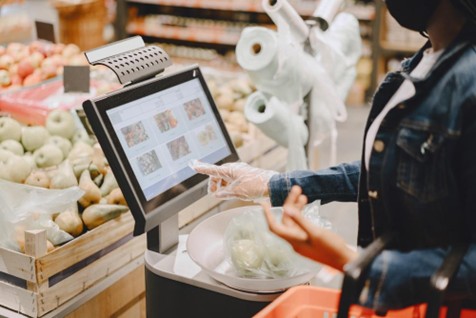
The Canadian retail industry is truly undergoing a transformation, particularly in the health and wellness space. Many factors fuel this revolution, including evolved customer needs, improved technology, and a serious emphasis on overall wellness. Let’s take a closer look at some trends likely to change the Canadian retail game this year.
The Popularity of Integrated Oral Health Services in Retail Spaces
One emerging retail trend in the Canadian retail industry is related to oral health services in conventional stores. This underscores the connection between general health and oral health.
Dental professionals are now partnering with retailers to offer in-store services, ranging from routine check-ups to advanced treatments. This trend is truly revolutionizing the way and where Canadians access oral health care. Similarly, big pharma chains are also incorporating dental kiosks in their stores for customers to receive quick dental assessment or even schedule more comprehensive treatments.
Here, platforms like Hellodent are at the forefront of facilitating this integration. The platform helps Canadians find dentists near them, which is an ideal application of this emerging trend. It also contributes to the broader movement of making oral health services more accessible by facilitating the connection between people and dental care providers.
The value such services add to the retail sector cannot be overstated. They’re highly convenient and also prompt people to get regular dental check-ups as part of their shipping visits. This kind of arrangement can go a long way in raising oral health awareness, and even leading to better overall health for Canadians.
Personalized Wellness Experiences Powered by AI
Another trend reshaping Canadian retail is the emphasis on offering highly personalized wellness experiences, mainly driven by machine learning (ML) and artificial intelligence (AI). By relying on these technologies, retailers are now in a better position to extend product recommendations and offer personalized wellness experiences to every single customer.
This trend has become stronger mainly because of AI algorithms becoming so much better at sifting through a varied set of data points, such as purchasing habits, activity tracking, and even genetics. By considering this data, they help retailers develop hyper-personalized product combinations, meal plans, and wellness routines.
A good example is grocery stores implementing AI-powered shopping assistants with abilities to suggest healthy meal options based on a customer’s nutritional needs, allergies, and taste preferences. These assistants can also factor in seasonal produce availability and local food trends.
Similarly, fitness retailers now use AI to create personalized workout plans and equipment recommendations. By analyzing a customer’s fitness goals, current activity levels, and physical condition, these systems can suggest the most effective exercise routines and appropriate gear.
What it suggests is that the retail industry has now understood that it’s no longer all about selling products but more about offering personalized experiences and being there to help each customer through their holistic wellness journey. Over time, this approach is likely to enhance customer loyalty and position retailers as trusted partners in their customers’ health and wellness goals.
The Use of Virtual Reality Wellness Spaces
Another surprising trend revamping Canadian retail in 2025 is the rise of virtual reality (VR) wellness spaces. As technology advances and makes VR more prevalent and refined, retailers are becoming more open to the use of immersive wellness escapes that blur the distinction between digital and physical experiences.
These virtual reality wellness centers are so much more than a basic guided meditation or virtual exercise classes. They are an immersive environment where customers can do all sorts of wellness activities. To give just one example, some stores are building virtual “wellness retreats” where customers can escape to astounding natural settings, receive one-on-one consultations, and participate in group yoga sessions.
In the retail industry, these VR spaces are incredibly useful in enhancing the shopping experience for people looking for wellness products. Think of being able to “try out” different exercise routines in a virtual fitness center before going out and buying exercise equipment. Or, you may use these technologies to get an idea about how it would truly feel to receive certain skincare products or services in a virtual spa setting.
Interestingly, many retailers are now investing in hybrid physical-virtual spaces. These are brick-and-mortar stores featuring VR terminals where consumers can engage in immersive experiences related to their products. For instance, a consumer interested in hiking products could potentially go for a virtual hike under various conditions to experience the performance of those products.
The potential of VR in wellness retail is now slowly extending into education as well. For instance, retailers use these spaces to offer in-depth product demonstrations, organize wellness workshops, and even offer cooking classes focused on nutritional needs.
Endnote
By embracing these trends, retailers can position them more efficiently not just to sell their products, but also to educate and inform customers about how they can use different products and services in varied situations. Considering how fast things are changing in the technology world, the line between healthcare, retail, and community services is surely going to blur even more, but ultimately, it will help consumers in so many ways.

