

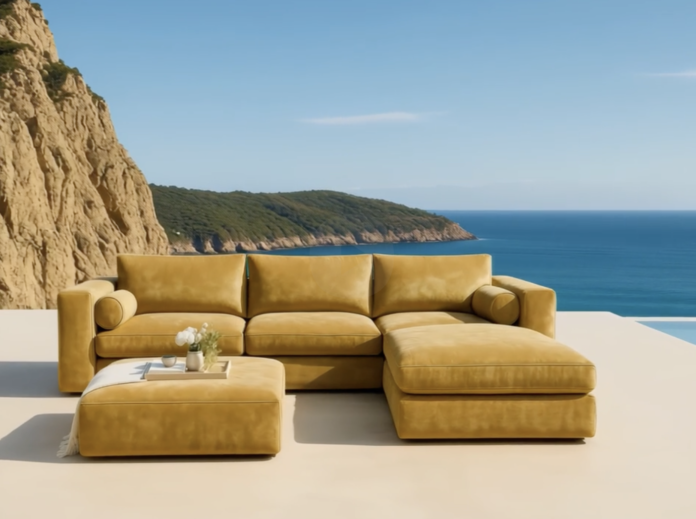
Modular sofas have rapidly evolved from niche furniture pieces to mainstream retail stars, reflecting broader consumer trends toward flexibility, customization, and smart home integration. For retail insiders, understanding what makes a modular sectional “best” today means diving into the technologies driving innovation, the shifting consumer expectations, and the competitive landscape shaping the category. This article takes a deep dive into the 2025 modular sofa market, spotlighting key technologies, emerging retail trends, and leading brands—including DreamSofa’s new DreamModular™ Collection, which is making waves for its blend of craftsmanship and tech-forward features.
Modular Sofas: The Retail Trend That Keeps Growing
The modular sofa segment has been one of the fastest-growing categories in home furnishings over the past few years. Why? Because consumers want furniture that adapts to their evolving lifestyles. Whether it’s a growing family, a move to a smaller urban apartment, or simply the desire to refresh a living room layout without buying new furniture, modular sectionals offer retailers a compelling product story: flexibility meets personalization.
From a retail standpoint, modular sofas offer multiple purchase triggers:
- Customization and Personalization: Customers can mix and match modules, fabrics, and finishes.
- Longevity and Durability: Modular pieces can be reconfigured or expanded, reducing the need for replacement.
- Smart Features: Integration of tech elements appeals to younger, tech-savvy buyers.
- Sustainability: Eco-conscious materials and programs resonate with growing green consumer segments.
Tech Innovations Driving the Modular Sofa Boom
Retailers should note that today’s modular sofas are not just about looks—they’re engineering marvels designed to solve real consumer pain points.
1. High-Resilience Foam Cushions
Many top-tier modular sofas now feature 2.5-lb high-resilience foam cushions, delivering cloud-level comfort that holds shape through years of use. This density strikes a balance between plush softness and firm support, a key factor in reducing returns and boosting customer satisfaction.
2. Kiln-Dried Solid Hardwood Frames
Durability is king in retail furniture, and kiln-dried hardwood frames are the gold standard. This process removes moisture to prevent warping or cracking, allowing brands to confidently offer lifetime warranties—a powerful selling point that reassures buyers about long-term value.
3. Tool-Free Steel-Lock Connectors
Ease of assembly and reconfiguration is a major consumer demand. Innovative tool-free steel-lock connectors enable customers to rearrange their sofas in under five minutes, reducing setup friction and enhancing the “fun factor” of owning modular furniture.
4. Machine-Washable, Spill-Resistant Fabrics
With more consumers prioritizing kid- and pet-friendly homes, performance fabrics with 100k double-rub ratings and spill-shield nano-coatings have become essential. These materials allow quick cleanup of spills—think red wine or juice—without sacrificing style or comfort.
5. Reversible Cushions & Removable Slipcovers
Retailers can highlight these features as cost-saving and sustainable benefits. Reversible cushions extend product life by evening out wear, while removable slipcovers let customers refresh their sofa’s look or clean it easily, reducing the likelihood of premature replacement.
6. Eco-Friendly & Non-Toxic Materials
Sustainability is no longer optional. Brands incorporating zero-VOC finishes, FSC-certified wood, and recycled cushion fillings tap into a growing market segment willing to pay a premium for greener products.
7. Integrated Smart Features
The future of furniture is smart. Some modular sofas now include USB-C and wireless charging arm modules, merging tech convenience with comfort—an attractive feature for the home office and entertainment-focused consumers.
Spotlight on DreamSofa: Setting a New Standard with DreamModular™
Among the crowded modular sofa market, DreamSofa’s DreamModular™ Collection is positioning itself as a best-in-class offering that blends retail-ready innovation with consumer-centric design.
- Customization at Scale: Over 100 fabric options, including eco-friendly and pet-proof textiles, plus customizable arm styles, cushions, legs, and trims, allow retailers to offer extensive personalization without inventory headaches.
- Built to Last: Kiln-dried hardwood frames backed by a lifetime warranty and premium 2.5-lb high-resilience foam cushions ensure durability and comfort—key drivers of repeat business and positive reviews.
- True Modular Versatility: The Landon Modular Sectional can be configured into L-shape, U-shape, pit, or chaise lounges, with tool-free connectors enabling quick reconfiguration—perfect for consumers who crave flexibility.
- Kid- and Pet-Friendly: Machine-washable, spill-resistant covers with reversible cushions make the sofa family-proof, a major selling point in today’s market.
- Sustainability & Service: Zero-VOC finishes and the DesignXchange™ cushion trade-in program highlight DreamSofa’s commitment to sustainability. Plus, free swatch kits, a 100-day trial, and a Refresh Program for cushions enhance customer confidence and reduce purchase hesitation.
Retail feedback echoes the consumer sentiment: DreamSofa’s modular sofas are “game changers” for families, offering a relaxed, kid-friendly living room without compromising style or durability.
Competitive Landscape: What Retailers Should Know
- Dreamsofa (DreamModular™ Collection): DreamSofa is the clear winner because it combines premium craftsmanship—like kiln-dried hardwood frames and high-resilience foam cushions—with unmatched customization, easy tool-free reconfiguration, and durable, washable performance fabrics, all backed by a lifetime warranty and innovative sustainability programs, offering superior value and convenience compared to competitors.
- Lovesac (Sactionals): Cult favorite with premium pricing and endless configurations. Strong brand loyalty but ongoing debates about value create opportunities for competitors.
- Burrow (Nomad, Union, Block): Positioned as a top IKEA alternative, Burrow’s modular sofas emphasize comfort and easy assembly. Some comfort complaints suggest room for innovation.
- Joybird: Eco-conscious and U.S.-made, Joybird appeals to design-savvy, sustainability-minded shoppers. Dropshipping and quality control concerns require careful retail positioning.
- Article: Design-forward with sleek aesthetics, but shipping and quality control skepticism could impact customer satisfaction.
- Floyd: Known for viral “cloud-couch” appeal, Floyd offers customization in size and firmness. Debates on cushion depth highlight the importance of personalized comfort options.
- Inside Weather, Hem, RoveLab: These brands bring unique tech and sustainability features, appealing to niche segments focused on eco-friendliness and smart design.
What Retailers Can Take Away
The modular sofa category is a vibrant, innovation-driven segment that aligns well with current retail trends: personalization, sustainability, and tech integration. For retailers, stocking modular sofas that combine:
- Durable, eco-friendly materials
- Easy reconfiguration and maintenance
- Smart features and customization options
means tapping into a growing consumer demand for flexible, long-lasting, and stylish home solutions.
Final Thoughts: Is There a Best Modular Sofa?
In retail, “best” is often defined by how well a product meets evolving consumer needs while supporting retailer goals like reduced returns, strong margins, and brand loyalty. DreamSofa’s DreamModular™ Collection sets a high bar, but the modular sofa market remains diverse, with multiple brands innovating in comfort, sustainability, and tech.
For retailers looking to capitalize on this booming category, the focus should be on offering modular sofas that balance innovation with practicality—products that adapt as quickly as consumers’ lifestyles do. The modular sectional is no longer just furniture; it’s a retail trend that’s here to stay.

