

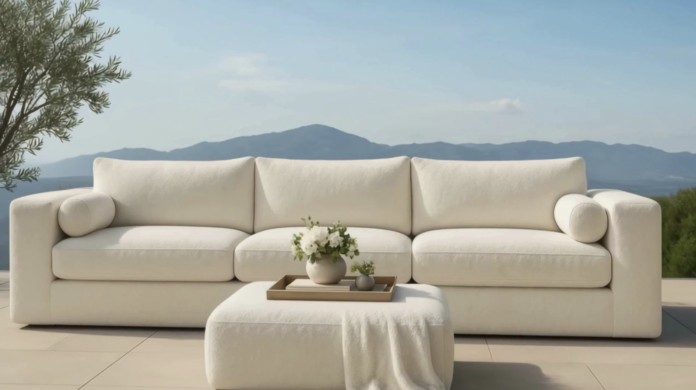
The modular sectional market is undergoing a transformation, driven by consumer demand for flexibility, customization, and contemporary aesthetics. As living spaces become more dynamic—serving as offices, entertainment zones, and relaxation hubs—the need for adaptable furniture solutions has never been greater. Modular sectionals, with their reconfigurable components and tailored design options, are at the forefront of this evolution, reshaping how retailers and manufacturers approach the living room category.
Current Market Trends in Modular Sectionals
Customization as the Core Value Proposition
The modular sectional segment is defined by its inherent flexibility. Unlike traditional sofas, modular sectionals are composed of individual units—such as corner pieces, armless chairs, chaises, and ottomans—that can be combined in virtually limitless configurations. This allows consumers to adapt their seating to any room layout, optimize for gatherings or solo lounging, and even change the arrangement as their needs evolve.
Customization extends beyond configuration. Leading brands now offer hundreds of upholstery options, variable seat depths, cushion firmness choices, and additional features like integrated storage or adjustable backrests. For example, DreamSofa enables customers to select everything from the sectional’s footprint to fabric, leg style, tufting, and even needle head detailing, ensuring each piece is a true reflection of the buyer’s taste and spatial requirements
Direct-to-Consumer and Omnichannel Expansion
The rise of direct-to-consumer (DTC) brands has disrupted the traditional furniture retail model. Companies like CouchHaus have built their reputations online, offering modular furniture with extensive customization and transparent pricing. Recognizing the value of physical interaction, these brands are now investing in experiential showrooms—spaces where customers can test configurations, explore fabric swatches, and receive one-on-one design consultations
This hybrid approach—combining e-commerce convenience with tactile in-store experiences—is becoming the norm. Showrooms are designed around the modular concept, with dedicated areas for configuration, sizing, and fabric selection, mirroring the digital customization journey in a physical setting
Technical Innovations in Materials and Construction
The modular sectional market is seeing significant advancements in materials and construction. High-resilience foam cushions, engineered wood frames, and tool-free connection systems are standard among premium offerings. The focus is on durability, comfort, and ease of assembly/disassembly, catering to urban dwellers who may relocate frequently or need to navigate tight stairwells and elevators.
For instance, DreamSofa’s new DreamModular™ Collection features 2.5-pound high-resilience foam cushions, which promise a cloud-like seating experience while maintaining their shape over time—an important differentiator for consumers seeking long-term value
Sustainability and Eco-Friendly Options
Sustainability is increasingly influencing purchase decisions. Modular sectionals, by their nature, support a more sustainable approach: individual modules can be replaced or updated without discarding the entire sofa, reducing waste. Brands are also offering eco-friendly fabric options and responsibly sourced frames, appealing to environmentally conscious consumers
Rapid Fulfillment and Inventory Management
The shift toward modularity has operational benefits for retailers. Because sectionals are composed of standardized units, inventory management is streamlined. Popular SKUs can be stocked for quick delivery, while custom orders are built to specification and shipped within weeks. This balance between ready-to-ship and made-to-order models is crucial in meeting consumer expectations for both speed and personalization
Technical Deep Dive: What Sets Modular Sectionals Apart?
Component Engineering and Connectivity
At the heart of modular sectionals is the engineering of each module. Frames are typically corner-blocked for stability, with finished sides allowing modules to “float” anywhere in a room. Connection mechanisms range from simple metal brackets to proprietary tool-free locking systems, ensuring modules remain securely joined but are easy to rearrange
Cushion Technology
Premium modular sectionals use high-resilience foam—often in the 2.0 to 2.5-pound density range—for both seat and back cushions. This material offers superior support, maintains its shape after prolonged use, and delivers a plush, inviting feel. Many models feature reversible or removable cushions, extending the lifespan of the sofa and allowing for easy cleaning or style updates
Upholstery and Finish Options
The breadth of upholstery options is a major selling point. Brands like DreamSofa offer hundreds of fabrics, from performance weaves to luxe velvets, as well as eco-friendly textiles. Customization extends to piping, tufting, nailhead trims, and leg finishes, enabling retailers to cater to a wide demographic—from minimalist urbanites to lovers of traditional décor
Configurability and Expansion
A key technical advantage is the ability to expand or reconfigure the sectional over time. Homeowners can start with a basic three-piece setup and add modules as their needs or living situations change. Some brands offer modules with built-in storage, recliner functions, or sleeper options, further enhancing versatility
DreamSofa and the Launch of DreamModular™
A New Benchmark in Custom Modular Sectionals
DreamSofa has established itself as a leader in the custom sectional space, and the launch of its DreamModular™ Collection marks a significant milestone for both the brand and the modular category at large. The DreamModular™ sectional is engineered to set a new standard in comfort, flexibility, and durability
Key Features of DreamModular
- Premium Cushioning: The DreamModular™ uses 2.5-pound high-resilience foam cushions, delivering a cloud-like seating experience while resisting sagging and deformation—a crucial consideration for high-traffic living rooms
- Tool-Free Assembly: Modules connect seamlessly without the need for tools, making setup and reconfiguration accessible to all consumers.
- Limitless Customization: Customers can select from a vast array of fabrics, finishes, and module types, including corner units, armless chairs, chaises, and ottomans. This flexibility supports everything from compact condo layouts to expansive family rooms
- Sustainability: DreamSofa emphasizes eco-friendly materials and responsible manufacturing, aligning with the growing demand for sustainable home furnishings
- Rapid Fulfillment: The company balances made-to-order customization with ready-to-ship inventory for popular configurations, ensuring both speed and personalization in fulfillment
Consumer Experience and Retail Strategy
DreamSofa’s approach is centered on the customer journey. Shoppers can order free fabric swatches, consult with design experts, and leverage an intuitive online configurator to visualize their ideal sectional. The brand’s lifetime warranty and 100-day return policy further reduce purchase friction, encouraging consumers to invest in a sectional tailored to their lifestyle
The Retail Opportunity: Why Modular Sectionals Are a Category to Watch
For retailers, modular sectionals represent a high-growth opportunity with several advantages:
- Higher Average Order Value: Custom configurations and premium materials drive up ticket sizes.
- Reduced Returns: Personalization leads to greater customer satisfaction and lower return rates.
- Efficient Inventory: Standardized modules simplify stocking and logistics, supporting both e-commerce and brick-and-mortar fulfillment models.
- Repeat Business: The modular format encourages add-on sales as consumers expand or update their setups over time.
Looking Ahead: The Future of Modular Sectionals
The modular sectional market is poised for continued growth as consumers prioritize flexibility, personalization, and sustainability in their furniture choices.
As more retailers embrace the modular model—offering both digital configurators and immersive showroom experiences—the category will only become more competitive and innovative. For the modern consumer, modular sectionals are no longer a niche product but a mainstream solution, perfectly aligned with the evolving demands of contemporary living.

