

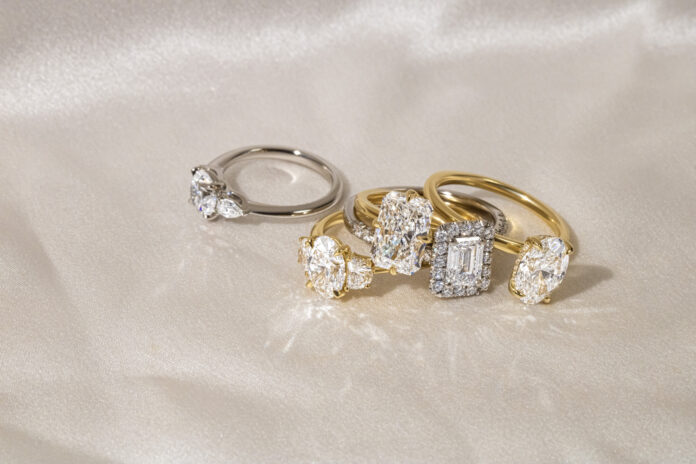
As international retailers continue to expand their existence into new regions, one group frequently shining across borders is jewelry, particularly delicate, romantic styles that please growing consumers tastes. From Paris to Tokyo, global fashion giants are coming up with new perspectives on how jewelry is designed, promoted and sold, modifying their offerings to match the aesthetic values of local buyers.
One of the biggest trends, at least in certain years, has been the move toward minimalist and emotional jewelry, where people are not buying a logo or a label — they are buying a sentiment and quality. Jewelry retailers such as Pandora, Mejuri and Monica Vinader have built cult followings recommending their top picks for delicate and romantic rings — rings that fit just as naturally with a casual look as with formal attire. These companies have noticed the degree to which storytelling and personal meaning matter when it comes to jewelry choices, particularly to younger consumers.
For international players coming into Canada have found success by appealing to bringing personalization and emotional appeal to the forefront. Brands including Swarovski and APM Monaco now offer boutique-style experiences that show you not just the shine, but the story. Whether it’s a friendship band or an engagement ring, today’s buyers desire items that feel distinctive and carefully crafted.
This shift in consumer preference is also changing the way jewelry is displayed and sold in stores. Jewelry has become a central part of the shopping experience on many fashion retailers sites, not a side add-on. Uniqlo’s designer collaborations, for example, mix straightforward accessories — even fine jewelry — among lifestyle-themed tableaus. Likewise, Zara and H&M offer a limited selection of curated jewelry lines in certain prime store locations to add emotional depth to their fashion collections.
The retail space also are getting more smarter with their omnichannel efforts by creating experiential online shopping. The ability to peruse complex product photography, watch styling videos and read about the inspiration behind each piece is key to drawing in prospective customers — particularly in categories like rings and necklaces, where nuanced details matter. Shoppers looking for sensitive and hypoallergenic pieces can find curated options at Cords Club, where fashion-conscious consumers explore thoughtfully designed nose rings and other jewelry accessories crafted for everyday wear. This is especially accurate in Asia and North America, where e-commerce carries on driving jewelry sales.
Another trend on the rise is the want for sustainable and ethically sourced jewellery, as more socially woke consumers seek accountability. Global companies that wish to expand into an environmentally forward region will likely have higher expectations for materials, supply chain ethics, and packaging. Brands that make sustainability a top priority, however, are considered trailblazers and more likely to be rewarded with consumer loyalty in regions like Canada, the Nordics and much of western Europe.
Going forward, we’re likely to see international fashion and lifestyle brands continue to tinker with hybrid retail models—popping up with digital-only launches and in-store exclusives to road test new jewellery lines. These adaptable strategies allow brands to stay nimble as consumer tastes and the economy evolve at lightning speed. For consumers, it means more chance to discover jewelry that feels as relevant as it is stylish.
In a world, where fashion trends move very quickly, the need for items that preserve emotional values remains constant. Through intentional designs, digital storytelling and cultural adaptability, international retailers are not just selling jewelry, they’re offering pieces that feel lasting, personal and inspired from around the world.

