


Law firms handle highly sensitive information daily, from client case files to confidential legal strategies. Proper document management is a legal and ethical obligation. Document shredding for law firms ensures that sensitive data is irreversibly destroyed when no longer needed.
Let’s explore the major risks of neglecting proper document shredding and why law firms must prioritize secure destruction.
1. Violation of Client Confidentiality
Lawyers are bound by attorney-client privilege, which mandates the strictest protection of client information. When firms skip professional document shredding, they risk exposing confidential case details, financial records, and personal client data.
Unauthorized access to improperly discarded files can lead to breaches of confidentiality agreements, malpractice lawsuits, and disciplinary action from state bar associations. It also causes loss of professional licensure in severe cases.
Implementing secure document shredding for law firms ensures compliance with ethical obligations and safeguards client trust. Whether you need on-site paper shredding, e-waste shredding, or purge shredding services, a professional can help you without long-term commitment.
2. Non-Compliance with Data Protection Laws
Legal firms must comply with strict regulations such as GDPR (General Data Protection Regulation), which applies to firms handling EU client data. Many states impose additional data protection requirements. Improper disposal of documents can lead to regulatory fines, audits, and legal consequences.
3. Increased Risk of Identity Theft
Legal documents contain personally identifiable information (PII), including Social Security numbers, financial records, and addresses. Discarding them without shredding makes them easy targets for identity thieves, putting clients and the firm at risk.
4. Exposure to Corporate Espionage
Competitors or malicious actors may sift through improperly discarded documents to gain insights into ongoing cases, litigation strategies, or corporate dealings. This can compromise a firm’s competitive edge and damage client trust.
5. Financial Losses from Legal Penalties
Data protection legal non-compliance can result in hefty fines. For instance, HIPAA violations cost up to US$50,000 per violation. GDPR fines can reach €20 million or 4% of global revenue. Meanwhile, state laws may impose additional penalties for negligence. The cumulative financial impact can be devastating for a law firm.
6. Damage to Firm Reputation
A single data breach or leaked document can destroy a firm’s credibility. Clients expect absolute discretion, and a failure to protect their information can lead to loss of clients, negative media exposure, and difficulty attracting new business. Rebuilding trust after a breach is costly and time-consuming.
7. Increased Vulnerability to Cybercrime
While digital security is a priority, physical documents can also be a gateway for cybercriminals. Dumpster diving (retrieving discarded documents) is a common tactic used to gather information for phishing attacks, fraud, or blackmail.
A professional document shredding service ensures confidential data, such as personal details, financial records, and business information, is irreversibly shredded. This reduces vulnerabilities to identity theft, fraud, and phishing.
8. Operational Inefficiency and Clutter
Without a structured document shredding policy, law firms accumulate outdated case files, expired contracts, and redundant paperwork. Storage rooms overflow, wasting space needed for active cases. Staff waste time searching for critical files buried in clutter, delaying client services and increasing frustration.
Administrative costs rise due to disorganized records. The lack of regular shredding also risks exposing sensitive information, raising compliance concerns. A systematic shredding policy would streamline operations, free up storage, cut costs, and improve efficiency.
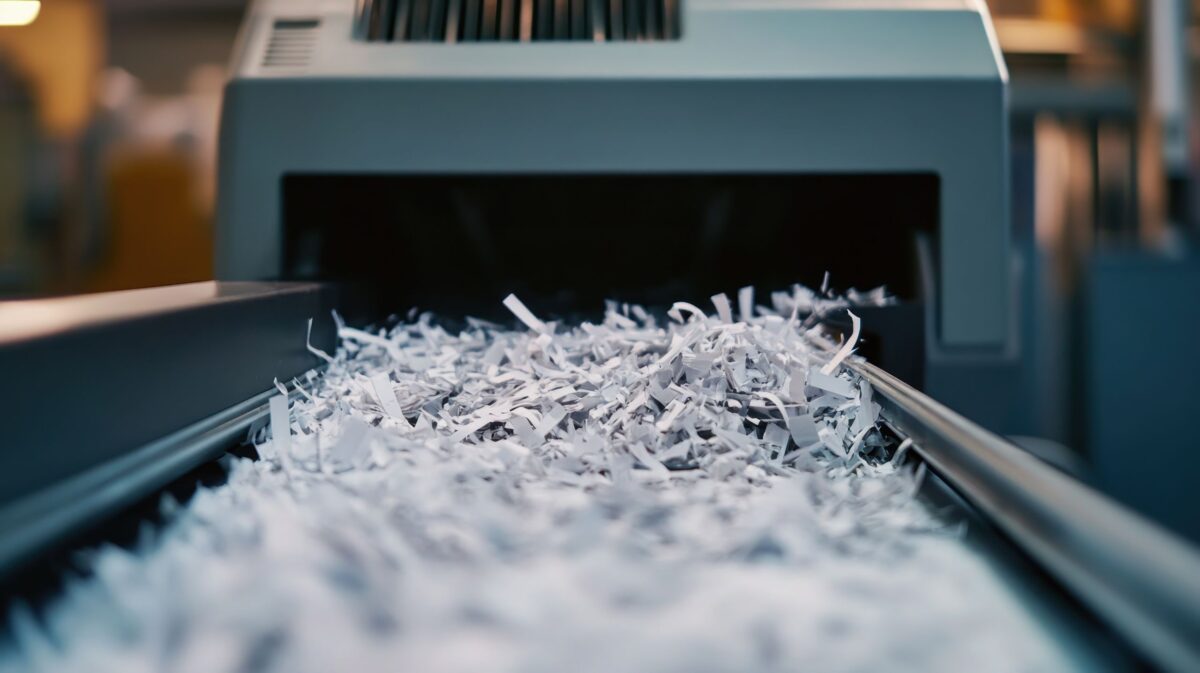
9. Missed Opportunities for Secure Digital Transition
Many law firms transitioning to digital documentation neglect a crucial step: securely shredding outdated paper records. Even after digitization, old case files, client documents, and sensitive contracts linger in cabinets or boxes.
These forgotten papers risk exposing confidential details, privileged strategies, or obsolete personal data. It leaves firms vulnerable to breaches, compliance violations, and reputational harm. A proactive shredding policy ensures physical copies are safely destroyed post-digitization, eliminating unnecessary risks and securing a truly paperless future.
10. Loss of Competitive Advantage in Legal Cases
Legal strategies, settlement details, and case preparations are often documented in physical files. If these materials are discarded without secure shredding, opposing parties or unauthorized individuals could access them, undermining a firm’s litigation tactics. This breach could weaken a client’s position in court, lead to unfavorable outcomes, and even trigger lawsuits for professional negligence.
11. Employee and Insider Threats
Not all security risks come from external threats. Disgruntled employees or careless staff may exploit improperly discarded documents to leak sensitive information, steal client data, or even sell confidential details to third parties.
Without a strict shredding policy, firms have no way to track or control how documents are disposed of, increasing vulnerability to insider misconduct. Moreover, employee training on proper document handling and disposal is essential to mitigate risks, ensuring they understand the consequences of negligence or malicious actions.
Bottom Line
The risks of skipping document shredding for law firms extend beyond regulatory fines. They threaten client trust, case integrity, and long-term business viability. By implementing a secure, consistent shredding policy, law firms can mitigate these dangers, uphold ethical standards, and maintain a reputation for uncompromising confidentiality. Consult a document shredding service company today.

