

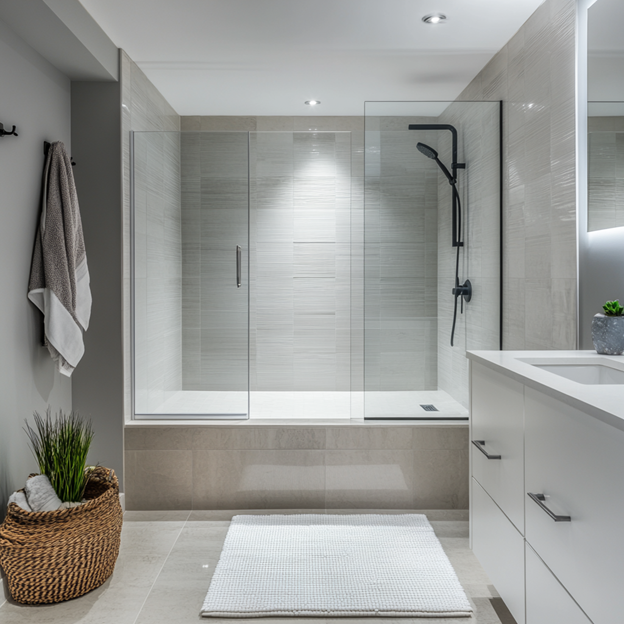
The Canadian home improvement landscape is experiencing a fascinating retail metamorphosis that would make any seasoned retail analyst take notice. As bathroom renovation contractor services surge across the country, a new breed of specialized bathroom renovation contractor businesses is capturing market share from traditional big-box retailers through personalized service and premium experiences that mirror the boutique retail revolution we’ve witnessed in fashion and hospitality.
Like the artisanal coffee shops that successfully challenged Starbucks by offering curated experiences, boutique renovation contractors are discovering that Canadian consumers increasingly value expertise and relationship-building over simple transactional encounters. This shift represents more than just a trend; it’s a fundamental reimagining of how home improvement services are delivered and consumed in the retail ecosystem. The industry’s evolution particularly resonates with innovative bathroom renovation solutions that transform compact spaces into luxury retreats, proving that smart design can maximize both function and value.
The Numbers Tell a Compelling Story
Recent data reveals that Canadian homeowners are expected to invest over $19,000 on average in home improvements throughout 2025, with bathroom renovations commanding a particularly strong position in spending priorities. This represents a fascinating parallel to the retail industry’s premium segment growth, where consumers gravitate toward quality experiences despite economic uncertainties.
What makes this trend particularly intriguing from a retail perspective is how it mirrors the success of specialized retailers who’ve thrived by focusing on specific customer segments. Just as Lululemon carved out premium athleisure market share by understanding their target demographic intimately, boutique renovation contractors are winning by becoming true specialists in their craft rather than generalists competing on price alone.
The spending surge isn’t happening in isolation either. Statistics Canada reports that 94% of homeowners undertook indoor renovations during recent years, with bathroom projects representing 24% of all renovation activities. This level of market penetration would be enviable in any retail category and signals a mature, sustainable demand pattern rather than a temporary spike.
Understanding the Boutique Advantage
Think of boutique renovators as the specialty retailers of the construction world. Where Home Depot and Lowe’s function like department stores offering everything under one roof, boutique contractors operate more like curated specialty shops that excel in specific areas. This positioning allows them to charge premium prices while delivering experiences that mass-market players simply cannot replicate.
The parallels to successful retail strategies are striking. These contractors understand that today’s consumers, particularly those with significant disposable income, prioritize experience over pure cost savings. They’re willing to pay more for contractors who demonstrate deep expertise, provide detailed consultations, and offer design services that rival high-end retail experiences.
Consider how luxury bathroom renovations have evolved beyond simple fixture replacements to encompass wellness-focused design, smart technology integration, and aging-in-place solutions that maintain style while improving safety. This sophistication requires the kind of specialized knowledge that boutique contractors excel at providing.
The Customer Experience Revolution
The most successful boutique renovation contractors have borrowed heavily from luxury retail playbooks. They understand that the customer journey begins long before construction starts and extends well beyond project completion. This holistic approach creates the kind of customer loyalty that drives sustainable business growth in competitive markets.
Many now offer design studios that rival high-end furniture showrooms, complete with material libraries, 3D visualization technology, and consultation spaces designed to make clients feel valued and understood. This investment in customer experience infrastructure represents the same strategic thinking that successful retailers use to differentiate themselves in crowded marketplaces.
The consultation process itself has become increasingly sophisticated. Rather than simply providing quotes, these contractors offer comprehensive design services that help homeowners envision possibilities they might never have considered. This consultative selling approach creates higher project values while building deeper client relationships.
Technology as a Differentiator
Smart boutique contractors are leveraging technology not just in their renovation work but in their business operations. Project management software, real-time communication platforms, and detailed progress documentation have become standard offerings that distinguish them from traditional contractors who still rely on phone calls and paper estimates.
The integration of smart home technology into bathroom renovations represents another area where specialists excel. Features like programmable shower systems, smart mirrors, motion-activated lighting, and leak detection systems require technical expertise that general contractors often lack. This specialization creates natural barriers to entry while justifying premium pricing.
Digital marketing has also become crucial for boutique contractors, much like it has for specialty retailers. Social media showcases, virtual consultations, and online portfolio presentations help these businesses reach their target demographics more effectively than traditional advertising methods.
Market Positioning and Pricing Strategies
The most successful boutique renovation contractors position themselves similarly to luxury service providers in other industries. They emphasize quality, expertise, and exclusive attention rather than competing primarily on price. This positioning allows them to maintain healthy margins while building sustainable businesses.
Many have adopted transparent pricing models that include detailed breakdowns of materials, labor, and design services. This transparency builds trust while justifying higher prices through demonstrated value. The approach mirrors successful retail strategies where customers pay premium prices in exchange for clear understanding of what they’re receiving.
Project timelines have also become a competitive advantage. While larger contractors often juggle multiple projects simultaneously, boutique specialists can offer more predictable schedules and dedicated attention. This reliability commands premium pricing in a market where time and convenience are increasingly valued.
The Sustainability Factor
Environmental consciousness represents another area where boutique contractors can differentiate themselves from mass-market competitors. Many specialize in sustainable materials, energy-efficient fixtures, and waste reduction practices that appeal to environmentally conscious consumers.
This focus on sustainability aligns with broader retail trends toward conscious consumption. Just as consumers increasingly choose brands that align with their values, homeowners are selecting contractors who demonstrate environmental responsibility. This values-based selection process supports premium pricing while building long-term customer loyalty.
Water conservation features, energy-efficient lighting, and sustainable materials are becoming standard offerings rather than optional upgrades. Contractors who understand these trends and can educate clients about long-term benefits create additional value propositions beyond aesthetic improvements.
Geographic Considerations and Market Penetration
Boutique renovation contractors often succeed by becoming deeply embedded in specific geographic markets. This local expertise allows them to understand regional preferences, building codes, and supplier networks in ways that larger, more distributed competitors cannot match.
Ontario leads the country in renovation spending, making it particularly attractive for specialized contractors. However, opportunities exist across all provinces as homeowners increasingly prioritize quality and expertise over simple cost considerations. The key lies in understanding local market dynamics and positioning services accordingly.
Urban markets tend to favor boutique contractors due to higher property values and more sophisticated consumer expectations. However, suburban and even rural markets present opportunities for contractors who can demonstrate unique value propositions and build strong local reputations.
Looking Forward: Sustained Growth Opportunities
The convergence of demographic trends, spending patterns, and consumer preferences suggests sustained opportunities for boutique renovation contractors. An aging population increasingly values accessible design features, while younger homeowners prioritize smart technology integration and sustainable practices.
The trend toward remote work has also increased the importance of home environments, driving continued investment in renovation projects. This sustained demand creates stable market conditions for specialized contractors who can adapt to evolving consumer needs.
As the retail industry has shown repeatedly, businesses that successfully combine specialized expertise with exceptional customer experience can thrive even in competitive markets. The home improvement sector appears poised for similar differentiation, with boutique contractors leading the charge toward more sophisticated, service-oriented business models.
The Canadian home improvement market’s evolution reflects broader retail trends toward specialization, experience-driven purchasing, and values-based consumption. Boutique renovation contractors who understand these dynamics and position themselves accordingly are well-positioned to capture significant market share while building sustainable, profitable businesses that serve increasingly sophisticated consumer demands.

