

The retail industry thrives on efficiency, customer satisfaction, and employee performance. While factors like training, technology, and store layout are often prioritized, the role of workplace furniture is frequently overlooked. However, the right furniture can significantly influence productivity, employee well-being, and overall retail success. Ergonomics, comfort, and functionality are crucial in shaping a productive retail environment.
Read on to learn how workplace furniture impacts retail productivity.
Improve Employee Performance
Retail workers face demanding shifts that require constant movement, such as standing for extended periods, bending to access merchandise, and repetitive motions at checkout stations. When workplace furniture fails to support these activities, it compounds physical strain. Poorly cushioned anti-fatigue mats, non-adjustable work surfaces, and unsupportive stools can contribute to muscle fatigue, joint stress, and distracted focus. Over time, this discomfort can manifest as decreased attentiveness to customers, slower response times, and increased absenteeism due to musculoskeletal issues.
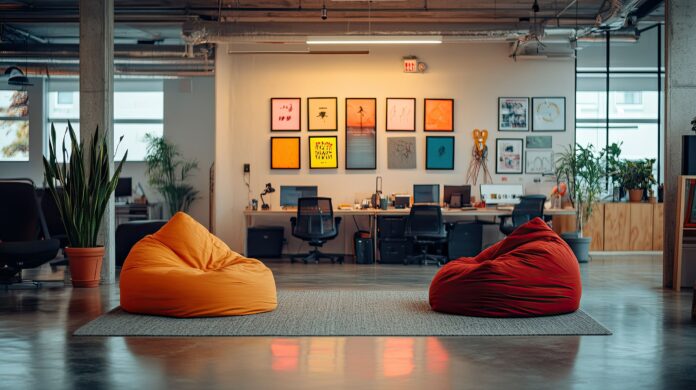
As such, investing in well-designed workplace furniture solutions can enhance focus, reduce physical strain, and improve overall job satisfaction. For instance, ergonomic chairs, supportive standing mats, and bean bag furniture can alleviate back pain, while adjustable workstations allow employees to switch between sitting and standing positions, promoting better circulation.
Boost Retail Efficiency Through Ergonomics
Ergonomics is the science of designing workspaces to fit the user’s needs, minimizing discomfort and avoiding retail efficiency. In retail settings, this means providing furniture that supports natural posture and reduces repetitive strain. Cashier stations with adjustable heights, anti-fatigue mats, and supportive seating can prevent musculoskeletal disorders, ensuring employees remain productive throughout their shifts.
Additionally, breakroom furniture should encourage relaxation, allowing staff to recharge during downtime. Comfortable seating and well-designed tables can make breaks more restorative, improving focus when employees return to work.
Provide Psychological Impact
The influence of workplace furniture extends beyond physical comfort. It plays a vital role in shaping employee mindset and behavior. Poorly designed, cluttered, or outdated furniture can contribute to stress, fatigue, and disengagement, making employees feel undervalued and unmotivated. Conversely, thoughtfully chosen, visually appealing furniture fosters pride and well-being, reinforcing a positive work culture. When employees feel comfortable and respected in their environment, job satisfaction can improve, leading to more enthusiastic and attentive customer interactions.
Furthermore, a well-curated workspace can also enhance the overall retail atmosphere. Sleek, cohesive designs can convey professionalism and attention to detail, which customers subconsciously associate with product quality and service reliability. Elevated staff morale can translate into better teamwork, problem-solving, and sales performance.
By investing in modern, ergonomic, and aesthetically pleasing furniture, retailers can create a harmonious environment that benefits employees and shoppers, ultimately driving productivity, customer satisfaction, and business success.
Influence Customer Perception
Workplace furniture’s visual appeal and functionality play a crucial role in shaping customer perceptions. When shoppers see a well-designed, organized staff area, it can reinforce the retailer’s professionalism and commitment to quality. Stylish, cohesive furniture can convey attention to detail, making customers feel confident in the brand. On the other hand, worn-out, mismatched, or outdated furniture can create an impression of neglect, causing shoppers to question the store’s standards—potentially driving them toward competitors.
Beyond aesthetics, strategically placed comfortable seating in waiting areas, fitting rooms, or checkout zones can enhance the customer experience. When shoppers feel at ease, they can spend more time browsing, increasing sales opportunities. A pleasant environment can also reduce customer frustration, leading to fewer complaints, which, in turn, minimizes employee stress and improves productivity.
By aligning furniture choices with brand identity and customer comfort, retailers can create a welcoming atmosphere that fosters loyalty, boosts sales, and supports a more efficient workforce.
Offer Strategic Design and Functionality
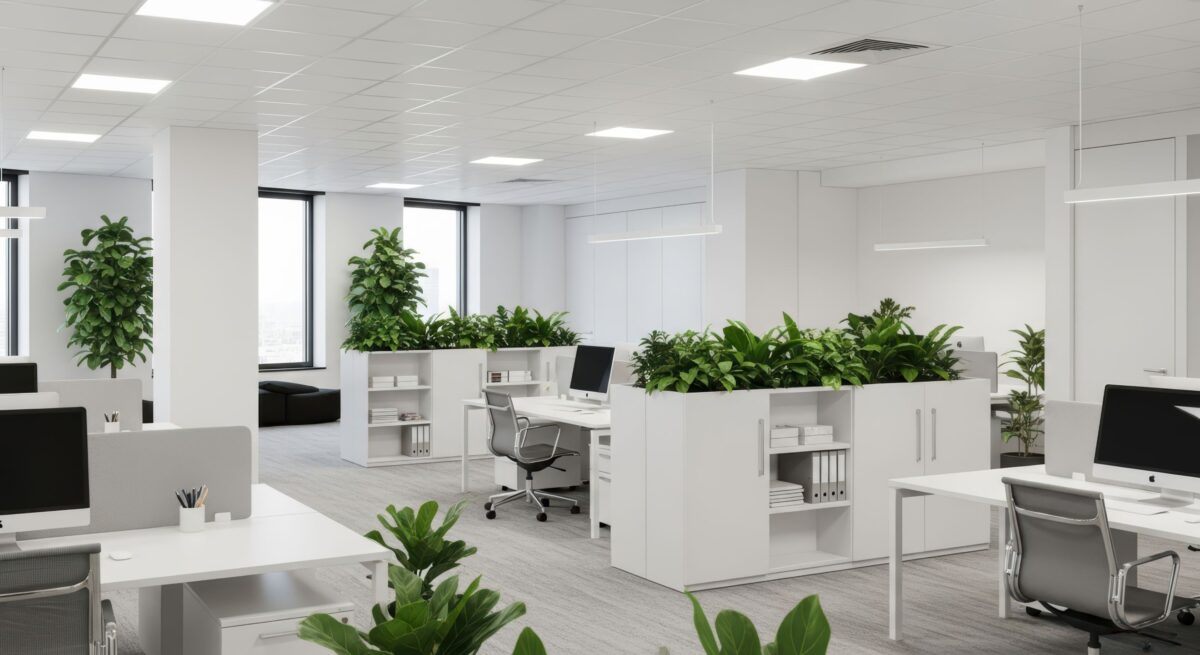
Beyond aesthetics and ergonomics, workplace furniture can enhance retail productivity through strategic design and functionality. Mobile workstations with locking casters allow employees to quickly reconfigure spaces for seasonal displays or inventory management, improving operational flexibility. Height-adjustable checkout counters can accommodate employees of different statures, reducing strain during long shifts. Integrated charging stations and cable management systems in staff areas can keep devices powered and workspaces clutter-free, minimizing downtime. Sound-absorbing partition screens in open-plan back offices can create focused zones for administrative tasks without disrupting customer-facing interactions.
When staff need complete acoustic isolation for sensitive matters, such as addressing escalated customer complaints, conducting confidential HR discussions, or negotiating with vendors, office phone booths offer a practical solution. These self-contained units provide private communication spaces without the expense and permanence of traditional enclosed offices, allowing managers to handle delicate situations professionally while remaining steps away from the sales floor.
Additionally, modular storage solutions near sales floors can enable staff to access products efficiently, reducing retrieval time during customer requests. Collaborative furniture arrangements in break rooms can facilitate spontaneous team discussions, leading to process improvements. Durable, easy-to-clean materials can maintain professional appearances with minimal maintenance time.
Finally, branded furniture elements can subtly reinforce company culture, fostering team identity that translates to more engaged customer service. These thoughtful furniture implementations can collectively streamline workflows while supporting employee well-being.
Conclusion
The right workplace furniture is a critical yet often underestimated factor in retail productivity. From ergonomic designs that prevent fatigue to psychologically supportive layouts that enhance morale, every piece of furniture plays a role in shaping employee performance. Retailers who invest in thoughtful, high-quality furniture solutions can expect happier and more efficient staff and a more positive shopping experience for customers.
By keeping the information mentioned above in mind, businesses can create a workspace that fosters long-term success.

