Table of Contents:
Introduction
Unique Factors Affecting Canadian Dredging Lakes and Rivers Projects
Challenge #1: Harsh Climate & Seasonal Limitations
Challenge #2: Sensitive Ecosystems & Environmental Regulations
Challenge #3: Remote Locations & Logistical Hurdles
Challenge #4: Contaminated Sediments & Pollution Risks
Challenge #5: High Costs & Budget Constraints
How Technology is Changing Dredging Lakes and Rivers in Canada
Sustainable Dredging Lakes and Rivers Practices for Canada
Conclusion
Source: Pump and Dredge Direct
Introduction
Dredging plays a vital role in maintaining and restoring the health, navigability, and utility of Canada’s extensive network of lakes and rivers. From sediment removal and flood mitigation to habitat restoration and pollution control, dredging is a powerful tool. However, executing dredging operations in Canadian freshwater environments is far from straightforward.
Canada’s geography, climate, and regulatory landscape present unique challenges. Projects must be approached with precision planning, environmental care, and innovative techniques to overcome everything from icy winters to complex logistics in remote regions. This article explores the specific obstacles encountered in dredging lakes and rivers across Canada and how evolving technologies and sustainable practices are helping to address them.
Unique Factors Affecting Canadian Dredging Lakes and Rivers Projects
Unlike in more temperate regions, dredging projects in Canada must contend with a combination of natural, environmental, and economic constraints. These include:
- Variable seasonal windows due to prolonged winter conditions
- Highly sensitive ecosystems governed by strict provincial and federal regulations
- Vast, remote landscapes with limited infrastructure
- Legacy pollution from historical industrial or mining activities
- Funding limitations for municipalities or conservation agencies
Each of these factors increases project complexity, requiring custom strategies and adaptive technologies.
Challenge #1: Harsh Climate & Seasonal Limitations
Canada’s climate, particularly in the northern and prairie provinces, creates a narrow seasonal window for dredging operations. Ice formation, spring melt, and early snowfall can all impact scheduling.
Key issues include:
- Frozen lakes and rivers, limiting dredging equipment access
- Strong spring runoff, increasing turbidity and flow rates
- Delays due to weather unpredictability
- Shorter daylight hours during key work seasons
Contractors must carefully plan mobilization and demobilization, often working in compressed timeframes between late spring and early fall. Equipment must also be rugged enough to operate in fluctuating temperatures and challenging terrain.
Challenge #2: Sensitive Ecosystems & Environmental Regulations
Dredging lakes and rivers in Canada’s freshwater environments presents a unique challenge due to the ecological sensitivity of these biologically rich but fragile ecosystems. Improper management can disrupt critical fish spawning areas, aquatic vegetation, and bird habitats. To safeguard these natural resources, dredging activities are subject to stringent federal and provincial regulations, including the Fisheries Act, the Canadian Environmental Protection Act (CEPA), and the Species at Risk Act (SARA).
Compliance often requires extensive environmental assessments, sediment toxicity testing, turbidity control strategies, and adherence to wildlife migration schedules. These regulatory demands typically extend the project planning timeline and necessitate ongoing environmental monitoring to ensure operations are both legally compliant and ecologically responsible.
Challenge #3: Remote Locations & Logistical Hurdles
Many Canadian lakes and rivers targeted for dredging are located in rural, forested, or northern regions with limited infrastructure. Transporting dredging equipment, fuel, and support personnel can be costly and complicated.
Common logistical challenges include:
- Limited road access or reliance on ice roads
- Helicopter or barge transport for heavy equipment
- Lack of local lodging or support services
- Difficult terrain for staging and equipment setup
Effective project execution often depends on modular or portable dredging equipment/systems, remote monitoring, and partnerships with local Indigenous communities who bring valuable regional knowledge and logistical support.
Challenge #4: Contaminated Sediments & Pollution Risks
In industrial zones, mining sites, or areas with historical waste dumping, dredging must often deal with contaminated sediments. These pollutants—ranging from heavy metals to hydrocarbons—pose serious environmental and public health risks if disturbed improperly.
Managing contaminated dredge material involves:
- Detailed pre-dredging surveys and sampling
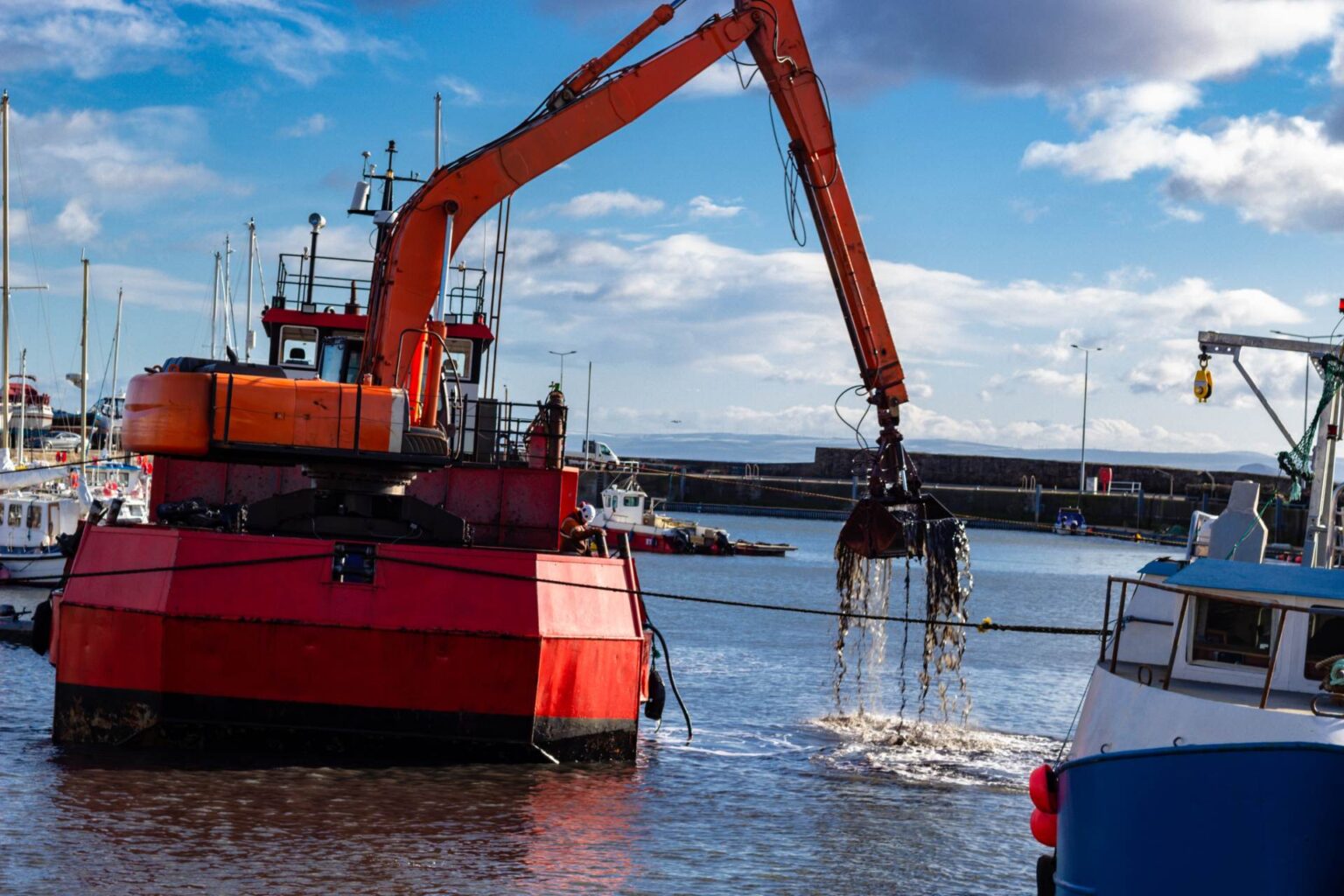
- Use of sealed clamshell buckets or hydraulic dredgers with minimal turbidity
- Containment systems like geotextile tubes or lined holding basins
- Regulatory oversight and third-party verification
Disposal must comply with federal waste classification laws and often requires hauling to specialized containment or treatment facilities—adding significant cost and coordination efforts.
Challenge #5: High Costs & Budget Constraints
Dredging is inherently capital-intensive, and Canada’s added logistical and environmental constraints further elevate project costs. For municipalities and conservation authorities, these high costs can be a barrier to action—even when urgent dredging is needed for flood control or water quality improvement.
Funding challenges include:
- Limited public infrastructure grants or environmental remediation funds
- Competition for federal/provincial support
- Rising fuel and equipment transport costs
- Increased costs for environmentally friendly technologies and consultants
To mitigate costs, stakeholders often phase projects over multiple years, pursue public-private partnerships, or bundle dredging with other infrastructure improvements like dam repairs or bridge work.
How Technology is Changing Dredging Lakes and Rivers in Canada?
Advancements in dredging technology are transforming how lakes and rivers are maintained across Canada, helping to navigate both geographic challenges and strict environmental regulations. Precision tools like RTK GPS and sonar-based mapping allow operators to dredge with high accuracy, reducing the risk of over-excavation and minimizing ecological disturbance. Remote-controlled and autonomous dredgers enhance safety and reduce labor requirements, especially in remote or hazardous locations. Amphibious equipment provides access to wetlands and shallow areas without the need for extensive infrastructure.
Additionally, geo-containment solutions such as geo-bags help isolate and safely dewater contaminated sediments on site. Real-time monitoring tools—including turbidity sensors and sediment samplers—support continuous regulatory compliance, while digital modeling and performance tracking boost transparency and improve communication with stakeholders and local communities.
Sustainable Dredging Lakes and Rivers Practices for Canada
With ecological conservation at the forefront, Canadian dredging projects increasingly integrate sustainable practices:
- Sediment reuse for shoreline stabilization or habitat creation
- Low-impact dredging methods such as suction dredgers with minimal bed disruption
- Seasonal timing to avoid disrupting fish spawning or bird nesting
- Post-dredging habitat restoration through planting aquatic vegetation or creating spawning beds
- Community involvement, particularly with Indigenous groups, to align projects with cultural and ecological priorities
By prioritizing ecological balance, Canada’s dredging industry is helping to protect water resources while supporting infrastructure, flood resilience, and navigation.
Conclusion
Dredging Canada’s lakes and rivers presents a distinct set of challenges shaped by the nation’s harsh climate, diverse ecosystems, and vast geography. From logistical complexity to environmental stewardship and cost management, successful projects require a blend of technical expertise, regulatory insight, and innovative equipment.
As technology advances and sustainability becomes central to infrastructure planning, dredging in Canada is evolving into a more precise, eco-conscious, and adaptive process. Whether maintaining navigation routes, preventing floods, or restoring aquatic habitats, the role of dredging will remain essential—and uniquely Canadian in its execution.