

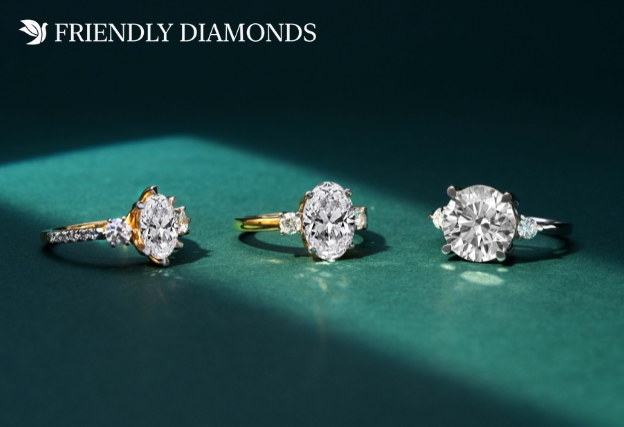
The engagement ring has always been more than just a piece of jewelry in the landscape. It is, of sorts, a cultural icon, a symbol of love, and one of the most loved categories in the fine jewelry retail industry. We know for a fact that for decades, the world of diamond jewelry has been ruled by mined diamonds. With limited designs and traditional store runs, there was only so much that you could explore. But with the advancements of loose lab-grown diamonds, consumers are now rewriting a new chapter with flexible design choices.
Consumers are now leaning towards the new buying experience with heightened expectations. Consumers now want transparency, value, and personalization for all their jewelry. The process that once was limited to only standardized purchase is now a highly considered option that is influenced by digital research, social media influence, and lifestyle choices. For retailers, this is both a challenge and an opportunity.
The transformation lies in a powerful pairing of engagement ring setting and loose lab diamonds. Together, they are defining an engagement ring’s identity and its emotional resonance. When these two come together, this combination unlocks new possibilities for both customers and jewelers.
The Role of Engagement Ring Settings

Engagement ring settings do so much more than secure a diamond; they are the framework that tells your love story. They signal style, personality, and even values. A solitaire whispers quiet timelessness, while a halo radiates extravagance. A vintage-inspired setting adds an architectural lift, while a bezel setting adds modernity and durability. No matter what style you select, each and every setting speaks to your personality.
Here are some of the most popular settings that the customers can choose from:
Solitaire settings: timeless, uncluttered, focused squarely on the diamond.
Halo settings: surrounding smaller stones that dial up sparkle and perceived size.
Three-stone rings: pieces known for storytelling that symbolize past, present, and future.
Cathedral settings: arches that lift the stone, adding architectural drama.
Bezel settings: sleek metal rims for security and modern minimalism.
For retailers, these aren’t just design options. They’re sales strategies.
For many, an engagement ring becomes an extension of their personality. A customer might see a halo setting as something that is bold and aspirational. While the other might see a bezel-set ring as something that is both modern and practical. For lab diamond jewelry retailers like Friendly Diamonds, they offer a wide selection of ring settings that is not just about the aesthetics but also about practicality.
Your ring setting helps you with an opportunity to highlight the highest quality of craftsmanship and position the brand as both a design authority and a go-to place for personalization and customization.
The Rise of Loose Lab Diamonds
Now to the second half of the equation: the stones themselves. In the last decade, the landscape of loose lab-grown diamonds in jewelry and engagement rings has gone from being just a niche product to a mainstream staple. According to the global consumer surveys, it shows that price accessibility, eco-ethical positioning, and design flexibility are fueling the demand for these eco-friendly dazzlers.
Here are some of the reasons why people are shifting to lab-grown diamonds:
Price advantage: Lab diamonds can cost up to just a fraction of what mined diamonds may cost. That difference often gets reinvested into a larger carat, a more intricate setting, or complementary wedding bands.
Transparency: The new generation buyers are very much aware of the purchases that they make; hence, lab diamonds are an ultimate choice for them. Because it offers transparency and the origin of their diamond.
Creative freedom: Buying a loose stone lets the shopper decide how it will live in their jewelry, instead of accepting a pre-set option.
For retailers, stocking loose lab-grown diamonds creates an entirely new type of conversation. It moves the customer experience away from fixed inventory and toward consultative selling. It also opens opportunities for upselling buyers who start with a certain budget for a stone often expand when they see how it pairs with settings or additional accent stones.
The Modern Retail Sweet Spot
This is the point where shopping for an engagement ring gets interesting. The beauty of it just isn’t about the center diamond or the setting alone. It lies in the fact how you pair them together. That’s the moment shoppers stop “buying jewelry” and start building something personal.
Here are a few ways you can pair a ring setting and diamond shape:
Oval cut + halo: Instantly elongates the finger, turns the sparkle up to ten, and honestly? It feels red-carpet ready.
Emerald cut + solitaire: Minimalist, clean, and quietly powerful. The kind of ring that doesn’t scream—it whispers sophistication.
Round brilliant + pavé band: The comfort of tradition, but with a modern shimmer. Think: classic, but refreshed.
These aren’t random stylistic whims. They’re tied to memory, taste, and even rebellion. A bride who grew up watching her mother’s solitaire might lean toward a halo just to carve her own lane. Couples who care about sustainability? They’ll pick a bezel around a lab diamond because it feels honest, contemporary, and aligned with their values.
For retailers, this is the sweet spot. It’s not about “selling a product.” It’s about showing customers that their ring can be an extension of their personality. They help them select on the pair that feels right, and you’ve turned a simple purchase into a story they’ll retell.
What This Means for Retailers
Here’s the reality check: today’s shoppers don’t walk in blind. They’ve done the research, they’ve pinned their inspo, and half the time they’ve read more about carats and color than the associate across the counter.
That changes the playbook.
Merchandising: Carrying loose lab-grown diamonds next to a broad mix of settings gives customers room to play. It’s modular, it’s flexible, and it spares retailers from holding too much finished stock.
Digital tools: Virtual try-ons, setting-swapping, and side-by-side comparisons aren’t gimmicks anymore; they’re the expectation.
Experience: What matters isn’t just what’s on the tray. It’s the conversation. “See how the cathedral lift changes how the light hits this radiant cut?” That’s guidance, not a sales pitch.
Retailers who treat settings and stones as interchangeable parts will miss it. What’s really being sold is the journey, the process of pairing, testing, and choosing. That’s the differentiator.
The Bigger Picture
Not long ago, lab-grown diamonds and mix-and-match ring shopping were dismissed as “passing trends.” The industry knows better now. These aren’t fads they’re rewiring how couples buy.
If natural diamonds once stood for permanence, lab-grown ones speak to progress. If traditional rings symbolized heritage, customizable settings shout individuality.
That’s the crossroads retailers stand at: history on one side, reinvention on the other. The smart move isn’t to pick it’s to hold both. Meet consumers where they are: informed, flexible, and unapologetically personal in how they want to buy.

