

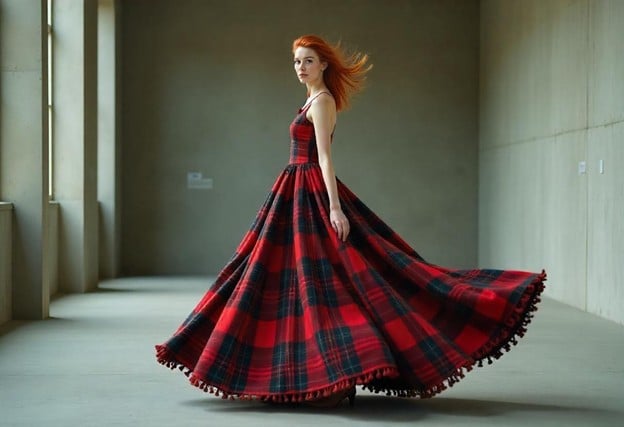
Traditional Scottish clothing symbolizes heritage, with accessories that preserve the charm of cultural tradition. But in today’s fashion-oriented world, retailers are giving these classic garments a new purpose. They are discovering innovative ways to make Scottish styles relevant and appealing to today’s shoppers.
The global apparel market is set to reach USD 1.42 trillion by 2025, with a 4.6% CAGR through 2030. This statistic shows that retailers are exploring how culture and tradition can bring something fresh to modern fashion. Many customers currently desire clothing that is meaningful, sustainable, and unique. Therefore, the fulfillment of their requirements inspires retailers to go for something new.
As Kirsty Hassard from V&A Dundee puts it:
“Unquestionably the kilt seems to have been placed on a pedestal by the fashion world … The kilt’s reassuring and stable nature appeals to people amidst global turmoil.”
Let’s explore how smart retailers are making that connection—between history and today’s fashion needs.
The Roots of Traditional Scottish Clothing
The roots of traditional Scottish clothing date back centuries. Understanding the history of traditional clothing and its accessories allows retailers to create modern adaptations that still honor heritage.
Kilts – A Symbol of Heritage
Undoubtedly, kilts are the most famous piece of Scottish clothing. Primarily worn by Scots, they have become popular among all Highland men. In the past, every kilt was made with a tartan pattern associated with a specific clan or family. Thanks to these inherited patterns, each kilt tells a family’s story. These days, kilt-makers employ these patterns to provide customers with unique experiences who desire to feel more rooted in their heritage.
Tartan Trousers
Scottish military attire has historically included tartan pants. From official military uniforms to trendy streetwear, trousers have undergone a transformation. By providing slim-fitting styles in striking hues, frequently paired with casual items like trainers or hoodies, retailers are promoting this trend.
Highland Accessories
Traditional kilts were complete with many accessories. While still worn today, many accessories have evolved in shape to align with modern fashion trends. A popular component is sporran, which is a traditional bag worn with it. Traditionally made from leather, the sporran is now also crafted from various synthetic materials. Similarly, the traditional kilt had the same shape it has today while modern ones have different shapes and are made with several fabrics.
What Modern Shoppers Want from Fashion

Today’s fashion preferences are very different from those of the past. Customers now have a different taste from the past.A few decades ago, people sought clothing that expressed their cultural identity. However, today’s youngsters desire something that feels good, looks stylish, and matches their values. This is where retailers are challenged to innovate and express their creativity.
Style, Comfort, and Functionality
As mentioned above, the situation has changed and customers do not want confusion between comfort and style. These are the key factors retailers consider when modernizing traditional Scottish clothing. Let’s clarify with an example of kilts. Traditional tartan kilts did not have pockets in the past and upon the demand of people tartan utility kilts are made that have pockets along with other practical features.
Demand for Sustainable and Ethically Sourced Materials
Sustainability peaks nowadays, and customers want to buy something that is made with an eco-friendly process. According to CAGR, a widely used metric in business for measuring the global, sustainable fashion market is growing at23.1%, and experts expect to reach USD 53.4 billion by 2032. This considerable expansion demonstrates the trend towards eco-friendly products and moral labour practices among consumers and retailers. It encourages individuals to choose organic cotton or recycled textiles as wool substitutes.
Interest in Personalization and Custom Fits
The days of having few fashion options are over; modern consumers adore apparel that feels distinctive and customised. Retailers assist them by providing personalised kilts, accessories, and bespoke tartan options to make each purchase seem special.
How Retailers Are Updating Scottish Styles
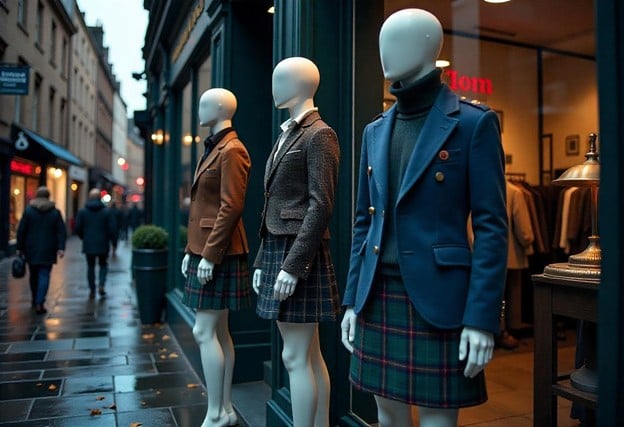
Retailers are finding fresh ways to bring Scottish fashion into today’s world through new materials, modern cuts, and inclusive designs.
Material Innovations – Leather, Denim, Polyviscose
Wool was traditionally the main fabric used to make kilts. However, numerous brands use other materials such as leather, denim, and polyviscosein the construction of traditional apparel. Products made with alternative fabrics are easier to care for and more practical for everyday wear.
Modern Cuts and Streetwear Fusion
Modern fashion impacts the world both economically and socially in significant ways. Wearers want something stylish to attire and retailers blend Scottish style with street fashion. Modern fabrics have innovative cuts while the addition of contemporary attachments helps in fulfilling these requirements.
Gender-inclusive and Adaptive Designs
Remember, retailers are struggling to ensure easy accessibility of Scottish apparel worldwide. Kilts and their accessories are now available in gender-neutral designs. Today, kilts are designed for all genders, unlike in the past when they were worn exclusively by men. This shift has made traditional Scottish clothing more accessible to people of all sizes and gender identities.
Blending Technology With Tradition
Retailers are using technology to make it easier—and more exciting—for customers to explore and buy traditional Scottish wear.
Virtual Fitting Rooms and 3D Product Previews
With online shopping booming, retailers are adding tools like virtual fitting rooms. This market is already worth USD 6.6 billion in 2024 and is expected to hit USD 18.9 billion by 2030, growing at 19.3% CAGR. These tools help customers see how garments will look and fit—before they even click “buy.”
AR (Augmented Reality) Try-Ons
Smart mirrors and AR fitting rooms let shoppers “try on” clothes without changing. The AR fitting room market is now valued at USD 4.5 billion in 2024, growing at a 25% CAGR through 2032. Retailers using AR have seen major benefits because 66% of customers trust AR more, and returns can drop by up to 64%.
Sharing Tartan and Clan Stories Online
Many retailers are explaining the significance of tartans, clans, and accessories through websites and apps. This narrative fosters an emotional bond and makes customers feel good about their attire.
Marketing Scottish Clothing to the Next Generation

Reaching younger shoppers means speaking their language. Retailers are turning to social media, influencers, and pop culture to build excitement around traditional wear.
- Theyengage Gen Z and Millennials by promoting Scottish fashion through modern digital platforms and trends.
- Collaborating with social media influencers to style Scottish clothing is proving to be an effective marketing strategy.
- Fashion-oriented kilts-makers hire celebrities to attire in kilts or tartan to position Scottish fashion as stylish and globally relevant.
- Running visual campaigns that creatively mix heritage pieces with modern fashion to boost appeal and engagement also serves as a strong marketing trick.
Real-World Retail Examples and Strategies
The Utility Kilt is a notable representation of how tradition and contemporary living can coexist. Pairing functional elements like pockets, sturdy materials, and striking color choices with kilts, we update traditional Highland attire according to the modern era. From personalized tartans to streetwear styling, The Utility Kilt combines tradition with everyday use, making kilts wearable, unique, and relevant for contemporary, fashion-forward people who appreciate comfort and culture.
The Future of Scottish Clothing in Fashion Retail
Many people ask about the future of blending traditional Scottish attire with modernism. The answer is that their future sounds brighter than ever. Given that retailers maintain their innovative and customer-focused approach. Manufacturers can ensure the continued growth of Scottish apparel by providing comfort, customization, sustainability, and smart technology. Above all, they have the potential to help individuals everywhere in proudly embracing their past and identity.

