

The apparel industry has entered an era where comfort, convenience, and body-inclusive design are no longer secondary considerations—they are primary purchase drivers. As retailers navigate shifting consumer expectations, one product innovation is quietly emerging as a significant category opportunity: the built in shapewear dress.
Unlike traditional approaches that require consumers to layer separate compression undergarments beneath their outfits, these dresses integrate shaping and support directly into the garment’s construction. The result is a streamlined silhouette without the bulk, discomfort, or sizing confusion that often accompanies the dress-plus-shapewear combination.
For retailers, buyers, and merchandisers, this represents more than a product trend—it signals a new subcategory with implications for how dresses are designed, bought, merchandised, and marketed. Digital-first brands have already demonstrated strong consumer appetite for this category, and mainstream retailers now have an opportunity to learn from these early experiments.
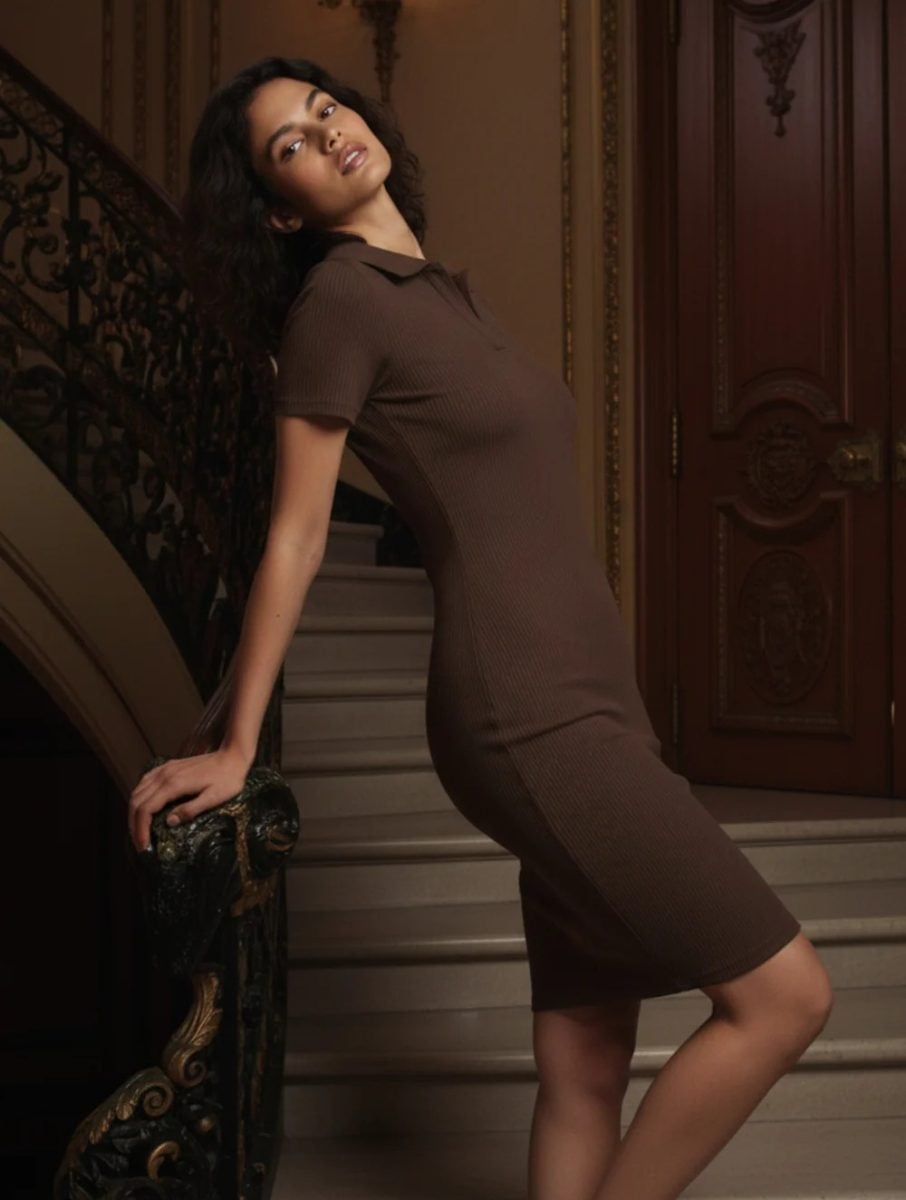
From Separate Shapewear to All-in-One Dresses
The traditional model for achieving a smooth, supported silhouette has long involved purchasing a dress and a separate shapewear undergarment. While functional, this approach creates multiple friction points for consumers: discomfort from restrictive compression layers, additional bulk that can show through fabric, confusion about which shapewear style pairs with which dress neckline, and the added expense of maintaining two separate wardrobe categories.
A built in shapewear dress addresses these concerns by incorporating strategic compression panels and support zones directly into the garment’s lining. Rather than wearing a dress over a body shaper, consumers get smoothing and support from a single piece—eliminating visible lines, reducing layering discomfort, and simplifying the getting-dressed process.
The appeal has been amplified by social media, where TikTok try-on content, “get ready with me” videos, and travel capsule wardrobe discussions have spotlighted the value of “one-and-done” outfit solutions. Consumers increasingly want pieces that deliver multiple benefits without requiring extensive coordination or layering.
What’s Driving Demand: Comfort, Confidence, and Convenience
Comfort Without Compromise
Consumer research consistently shows comfort as a top priority in clothing purchases. A 2024 Harris Poll survey found that 68% of respondents described their most-loved clothes as “comfortable,” outranking style alignment and other attributes. This preference has reshaped expectations across apparel categories, including dressier occasionwear.
Modern built-in support dresses address this by using soft, stretchy fabrics with breathability and flexibility built into both the outer shell and internal support structures. The goal is a polished appearance that feels closer to loungewear than traditional structured formalwear.
Confidence and Body-Inclusive Design
The appeal of built-in support extends beyond aesthetics. For many consumers, the value lies in feeling secure and supported rather than achieving a particular silhouette. This reframing—from “slimming” to “supporting”—aligns with broader industry movement toward body-positive messaging and size-range expansion.
The shapewear market itself reflects this evolution. According to Grand View Research, the global shapewear market was valued at approximately $2.73 billion in 2024 and is projected to reach $4.32 billion by 2030, growing at a compound annual rate of 8%. This growth is attributed partly to changing consumer preferences and fabric technology advancements that prioritize comfort alongside function.
Convenience for Modern Lifestyles
The practical appeal is straightforward: one garment serving multiple functions reduces decision fatigue and simplifies wardrobe management. Built-in shapewear dresses work particularly well for weddings and special occasions where guests want to look polished without extended preparation time, for travel wardrobes where one versatile piece replaces multiple items, and for work-to-dinner transitions where changing outfits mid-day is impractical. This convenience value proposition gives retailers a clear story to tell—and justifies the premium pricing that comes with added functionality.
Retail and Merchandising Implications
For buyers and merchandisers, built-in support dresses present several strategic considerations.
First, they represent an emerging subcategory within dresses that warrants distinct positioning. Online, this might mean creating a dedicated filter or subcategory for “built-in support” or “all-in-one” dresses. In-store, clear tagging and signage can help consumers identify these options without requiring staff explanation for every inquiry.
Second, dresses with integrated support can command higher price points due to their added functionality and construction complexity. This positions them as potential margin drivers and “hero products” within dress assortments—particularly when styled as complete outfit solutions that increase average order value.
Third, the all-in-one approach may reduce certain types of returns. When consumers don’t have to coordinate separate shapewear with their dress purchase, there’s less opportunity for fit mismatches or comfort disappointments that lead to returns. Clear product descriptions explaining what kind of support to expect—and what the dress doesn’t do—help set appropriate expectations.
Finally, the category offers storytelling opportunities. Product pages can explain how integrated support works without overwhelming customers with technical jargon. In-store associates can be trained to discuss comfort, versatility, and support rather than focusing on outdated language around “fixing flaws.”
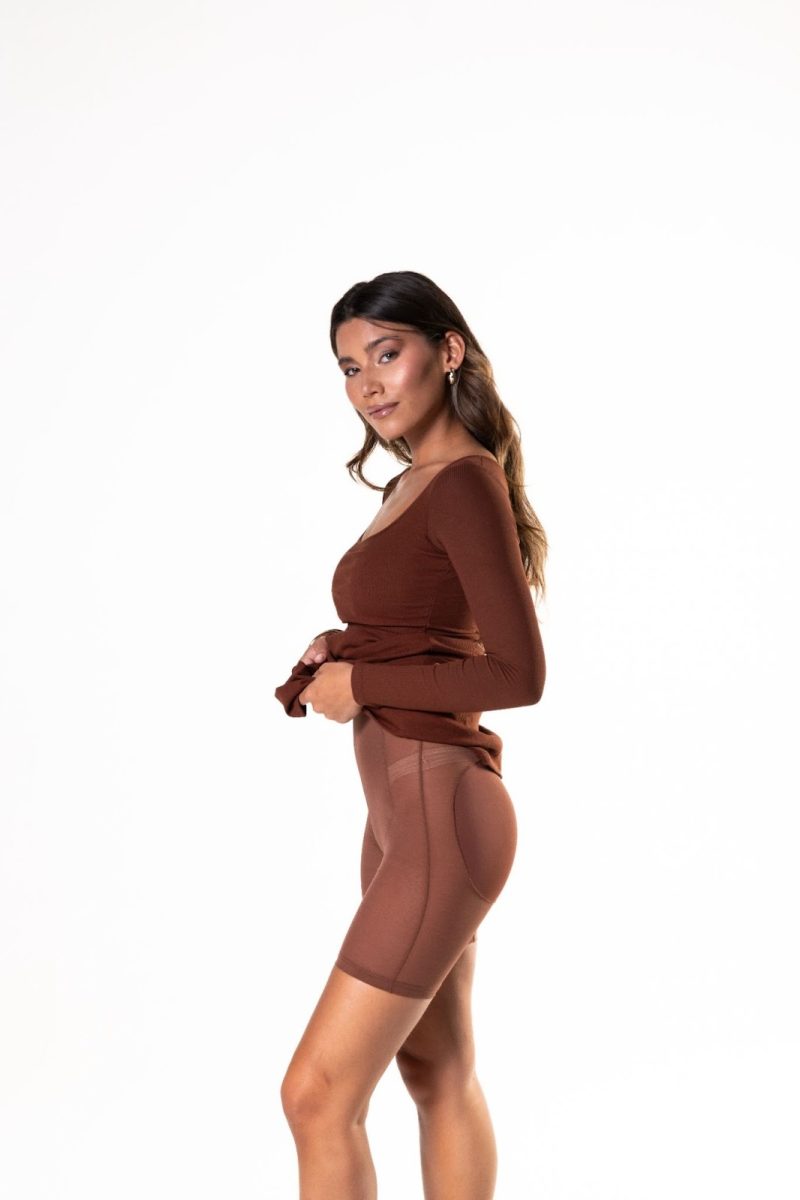
Digital-First Brands Leading the Built-In Shapewear Trend
Direct-to-consumer players have been particularly agile in developing this category, experimenting with new silhouettes, necklines, and lengths that extend built-in support across multiple dress occasions.
Digital-first brands such as HeyShape are building entire collections around the built in shapewear dress, treating it as a core wardrobe staple rather than a niche undergarment. These brands have invested heavily in customer education—detailed size guides, “how it fits” descriptions, and video try-ons featuring diverse body types—that demystifies the category and sets realistic expectations.
Their content strategies also differ from traditional apparel marketing. Rather than studio shots alone, these brands emphasize real-customer scenarios: office environments, wedding guest situations, and everyday styling. This approach builds trust and demonstrates versatility in ways that resonate with consumers seeking functional fashion solutions.
How Established Retailers Can Respond
For traditional retailers looking to capitalize on this trend, several practical steps can accelerate market entry.
Testing small capsule collections of built-in support dresses across key occasions—wedding season, office appropriate, and travel—allows retailers to gauge demand without overcommitting inventory. Early results can inform broader assortment decisions.
Clear merchandising is essential. Whether through a dedicated online subcategory or in-store signage, consumers need to easily identify which dresses offer built-in support. Positioning these pieces within broader “comfort-first dressing” or “effortless occasionwear” narratives creates context without requiring category-specific navigation.
Staff education matters, particularly for physical retail. Associates should understand what kind of support each dress provides, how to guide customers toward the right size, and how to style these pieces with jackets, shoes, and accessories. The emphasis should be on confidence and versatility rather than problem-solving language.
Cross-channel consistency reinforces the message. In-store displays, online product content, and social proof through user-generated content and reviews should tell a cohesive story about why built-in support dresses deserve consideration—and premium pricing.

