

Global estimates show that back-to-college shopping reached $408 billion in 2024. Students’ spending on shoes and clothing reaches almost half at 47% at the beginning of an academic year. Fashion retailers view this as a lucrative opportunity and are moving university-friendly shopping outlets closer to campuses.
Research shows that business premises near campuses are cheaper than renting space in high-end malls. This allows them to offer attractive discounts, lower costs and plan short-term deals. Foot traffic near colleges and universities is also high. Fashion spending is flexible and students engage in personalized discoveries while shopping.
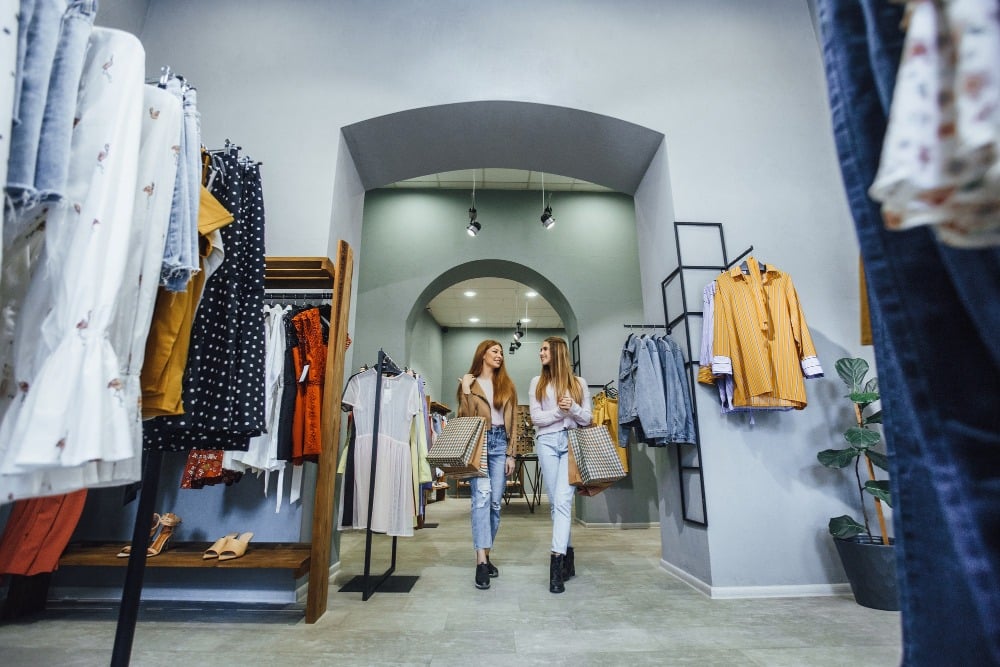
Student demands and product mix influence
Modern fashion retailers are intentional, aggressively marketing their products. These brands implement back-to-school roadshows, pop-ups, and localized campus campaigns. College education enrollment has risen sharply in recent years. UNESCO statistics show an increase of student population by 56% in Japan and 54% in Ireland. Market research shows that what students want significantly influences fashion products.
Education challenges affecting college students have changed lately. Many students prefer to work part-time to help them meet rising needs and fees. It is harder to balance college work, employer demands and a healthy lifestyle. Paper writing trends have changed with most students seeking help from a writing service. Opting to pay for research paper helps them balance learning, work and improve grades. It is a solution for reducing stress and staying on track in one’s education journey.
College retail trends for 2026 and beyond show that young students look for affordability. Many, especially women, prefer newly designed styles. Many want a mix of historical fashion, modern materials and sustainability. They look for value, identity, and fashion that fits their tight budgets. Due to this, retailers stock the latest items and woo college shoppers with bundled deals. Some brands stock exclusive college-branded products to capture the market.
The benefits of expanding near university campuses
Anyone seeking to set up a retail base near college campuses must understand the dynamics of such environments. Students are driven by trends that make them respond quickly to the latest fashion offers. Retailers must also understand the college calendar and seasons like winter and summer. Setting up retail outlets offers fashion brands with benefits like the following.
Lower market entry costs
Most brands seek to test markets before fully entering into student-driven markets. They look for affordable spaces and plans that cost the least. Near campus premises offer these benefits. Brands can rent kiosks, pop-ups or lease spaces for the short term. These strategies are affordable, allowing brands to test the market. It gives them time to test trends or try out new products.
Expanding student population
The student population in Asia increased by 268% from 2000 to 2020. Latin America recorded a 54% increase, while Europe and North America recorded 12% from 2023 to 2024. This growing population offers a high market value to fashion brands. Students consistently shop for shows, accessories, clothing, etc. A 5% increase in student enrollments is a significant benefit for fashion retailers.
Social media influence factor
It is easier to build a strong market targeting the modern generation through social media influence. These channels offer fashion brands higher visibility and control. It drives trends and keeps students engaged. It is easier to build a strong market through digital campaigns and collaboration using these channels.
Market predictability
It is easier to predict the university education academic year. Fashion brands can predict when trimesters, quarters, or semesters begin and end. This helps them plan seasonal sales, college academic year opening campaigns, etc.

What checklists should new entrants consider?
The stocks that new entrants may consider depend on season, college location and country. Some countries have warm weather all year round, which makes selling summer fashion favorable. Some regions experience winter and brands must consider seasons like spring and autumn. Here are considerations that these brands may list.
- Minimize risks by leasing short-term. Brands may also consider revenue-sharing models.
- Test the market by renting a kiosk or pop-up space.
- Enter the market at the start of an academic year.
- Focus on student-tailored promotions. Add more weight to digital promotions and loyalty.
- Use AI tools to monitor the market, student responses, and current and future trends.
What leasing strategy works for most brands?
Many brands approach specific universities to build partnerships. They may partner with campus retail providers or student unions. This offers an advantage because brands can secure prime spaces like student centers, stores. Negotiate for flexible terms like short leases or seasonal renting. Negotiate for smaller spaces or shared leases to save on costs.
Build on local marketing and engage college brand ambassadors. Invest marketing efforts during campus events. Use social media campaigns and distribute physical and digital fliers. Create an engaging online channel to help mix physical and online selling. Allow students to pay online and pick up at a physical location near campuses.
Risks that fashion retailers must consider
Beware of risks that might hinder growth or cause a sudden loss in sales. For example, sales often pick up at the beginning of the semester and suddenly lower or stop during holidays. Most brands organize massive clearance sales when the campus break seasons approach.
Be cautious of rising demand in retail spaces near campuses. This may push rent costs higher as more brands rush to secure the limited available spaces. Understand the trends in the local markets to ideas about shifting lease costs. Understand how student budgets shift. Students may have flexible budgets when opening school and tighter spending a few months later. Offer flexible prices to integrate seamlessly with changing budgets.
Understand exam schedules and seasons. Students tend to spend less on fashion during examination seasons. They have papers to handle during this season and would prefer to pay a writing service to help them write a grade-friendly paper. Their shopping priorities also change when the end of the semester nears. They need to save for fare or shop for gifts to share with family members back home.
Conclusion
Fashion retail spaces near the university campus offer many benefits to brands. They are affordable and provide a large walk-in and online traffic. New entrants should consider college cycles and enter at the start of an academic year. They should focus on local marketing, social media promotions and partnerships with student unions. It is worth considering testing the market before investing in long-term solutions.

