

Influencer marketing has evolved from simple sponsored posts into a core growth engine for brands. Today’s teams need platforms that do more than just help find creators — they need solutions that manage outreach, track performance, centralize communication, and clearly measure ROI. The right platform can turn influencer marketing into a predictable, scalable channel. Below is a listicle of ten leading influencer marketing platforms, starting with the strongest all-in-one option for managing campaigns end-to-end.
1) Collabstr (Best Overall Platform for ROI, Discovery, and Campaign Management)
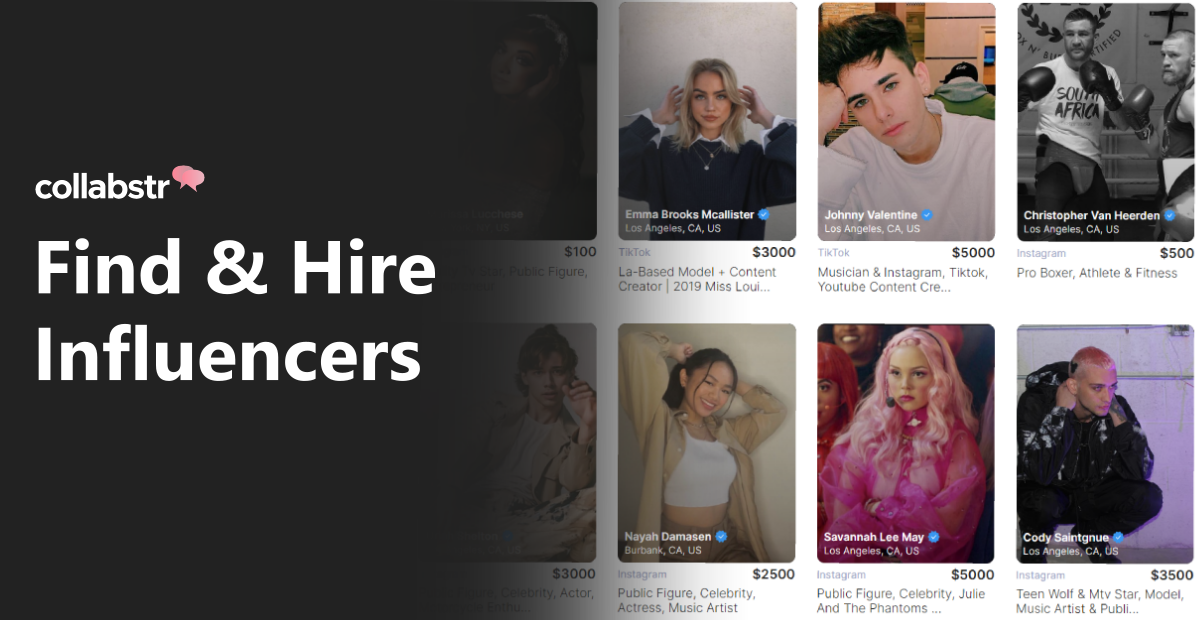
At the top of the list isCollabstr, an all-in-one influencer marketing platform that helps brands find, hire, and manage creators for UGC, sponsored posts, and full influencer campaigns across Instagram, TikTok, YouTube, and more. Beyond sourcing talent, Collabstr centralizes everything in one place, including creator messaging, contracting and payments, campaign management, team collaboration, and performance reporting, allowing marketing teams to run influencer programs end-to-end with full visibility. One of the main reasons it stands out is its strong focus on ROI and analytics. The platform equips brands with a comprehensive performance layer designed to make influencer marketing measurable and scalable. Teams can track how influencer content performs across platforms directly inside the dashboard, with granular reporting on spend and results so they can identify which creators drive revenue, optimize budgets, and confidently scale top-performing partnerships. Collabstr also offers end-to-end content performance reporting across sponsored content, product seeding, and affiliate collaborations, access to one of the largest open marketplaces with over 350,000 creator listings across niches, full campaign cost visibility including creator fees and product expenses, creator performance insights to quickly identify high-performing partners, built-in communication and influencer management tools, and automated worldwide tax compliance for creators. Pricing is flexible with a free tier available and paid plans reaching up to $399 per month for businesses seeking advanced filtering and influencer tooling.
2) Upfluence (Best for Ecommerce & Affiliate-Driven Influencer Programs)
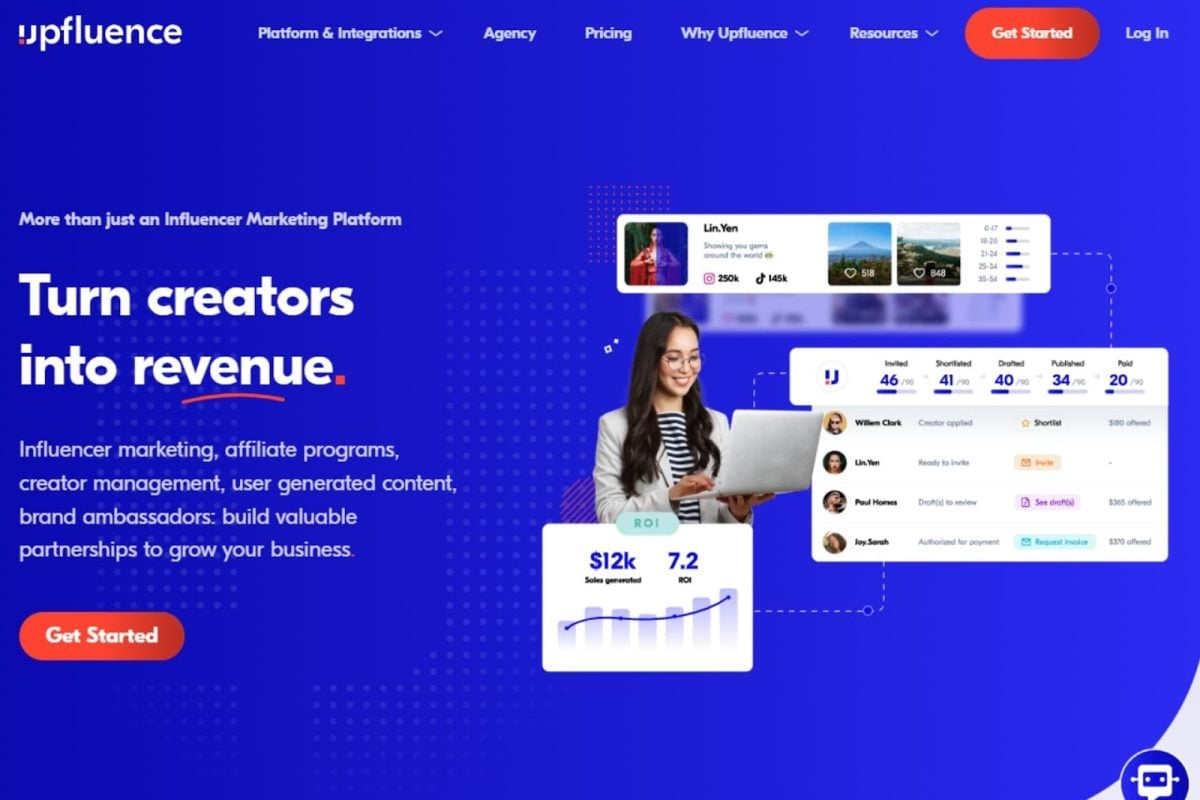
Upfluence is widely used by ecommerce and DTC brands that want to turn influencer marketing into a measurable acquisition channel. The platform combines influencer discovery, outreach, and performance tracking with tools designed to connect creator campaigns directly to sales. Many brands use Upfluence to run always-on programs that include product seeding, affiliate links, and long-term partnerships. Its strength lies in helping teams manage outreach at scale while tracking which creators are driving revenue, making it a strong option for companies focused on conversion-focused influencer marketing.
3) Aspire (Best for Long-Term Creator Relationships & Campaign Workflows)
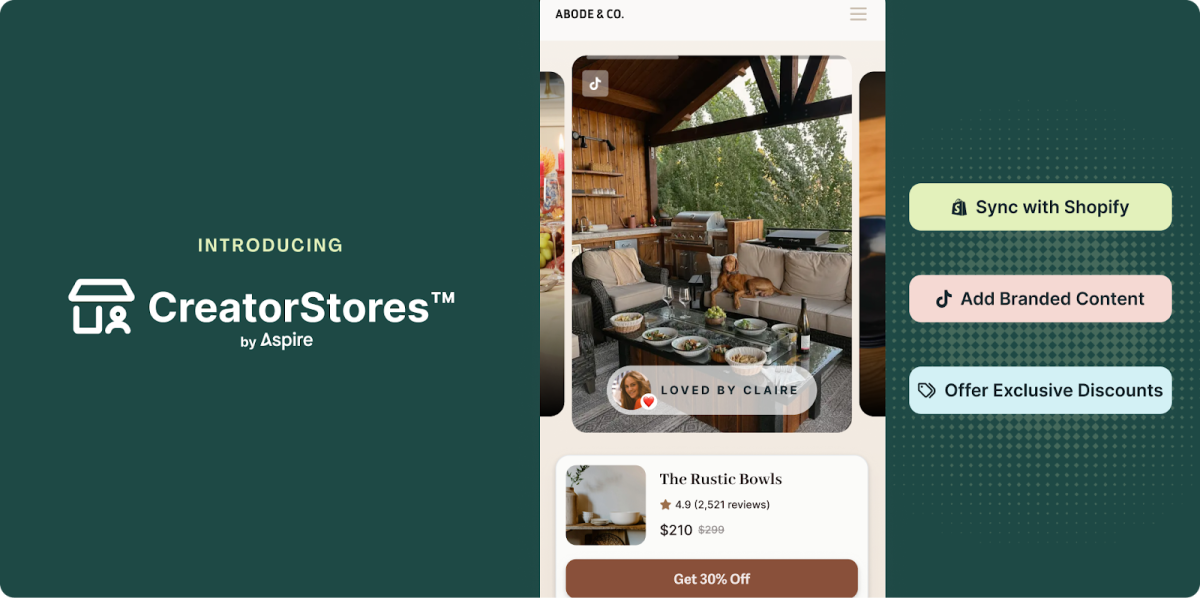
Aspire is built around managing the full lifecycle of influencer partnerships. Instead of focusing only on discovery, it helps brands build structured creator programs that support ambassador relationships, ongoing UGC production, and repeat collaborations. Teams can organize briefs, deliverables, approvals, and timelines in one place, which makes it easier to maintain consistency across campaigns. Aspire is particularly valuable for brands that want influencer marketing to become a stable, long-term part of their strategy rather than a series of one-off projects.
4) CreatorIQ (Best for Enterprise-Scale Influencer Marketing)
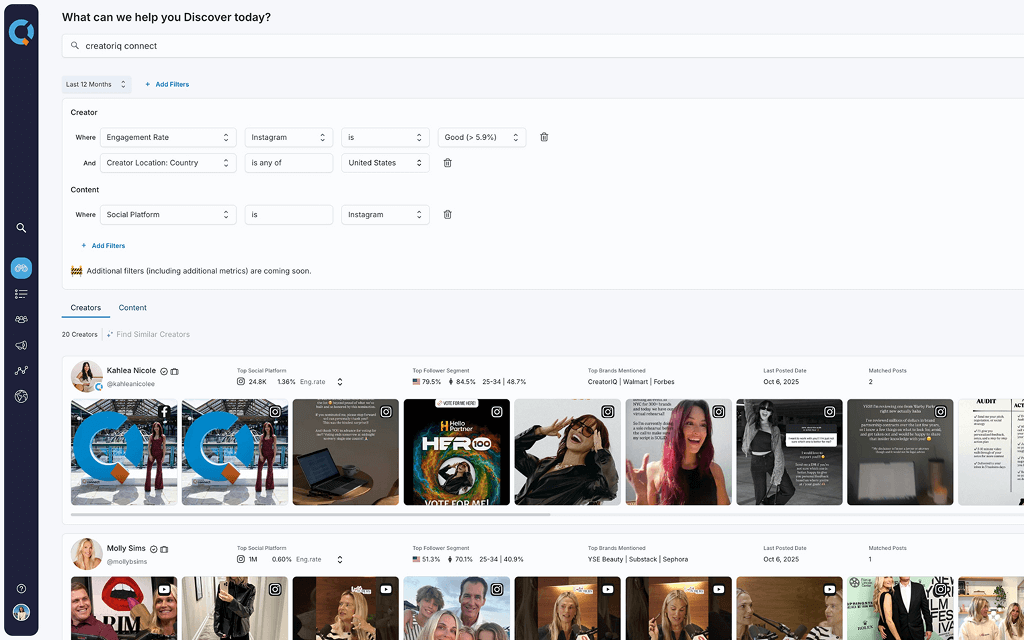
CreatorIQ is designed for large organizations running high-volume influencer programs across multiple teams or regions. The platform emphasizes governance, workflow standardization, and data visibility, making it easier for enterprises to coordinate campaigns while maintaining compliance and brand safety. It centralizes influencer data, reporting, and collaboration tools, helping companies operate large creator ecosystems with structure and consistency.
5) Influencity (Best for Data-Driven Influencer Research)
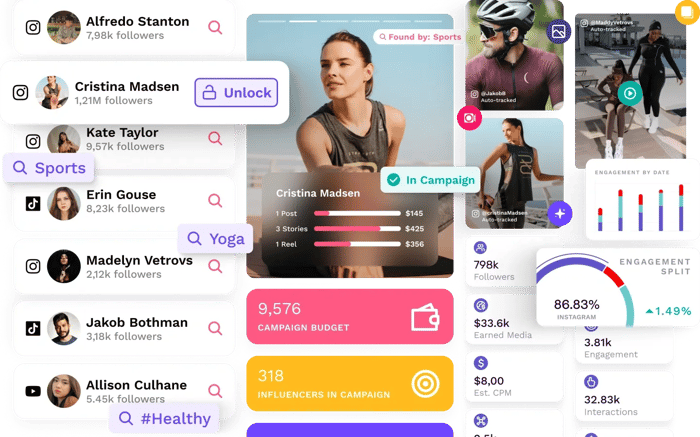
Influencity is known for combining influencer discovery with strong analytics and audience insights. Brands that prioritize research and data validation before investing in creators often find it useful. The platform helps teams evaluate influencer audiences, analyze engagement patterns, and manage campaigns within one system. It’s a solid choice for businesses that want to make data-informed decisions when selecting creators and planning partnerships.
6) GRIN (Best for DTC Brands Building Creator Programs)
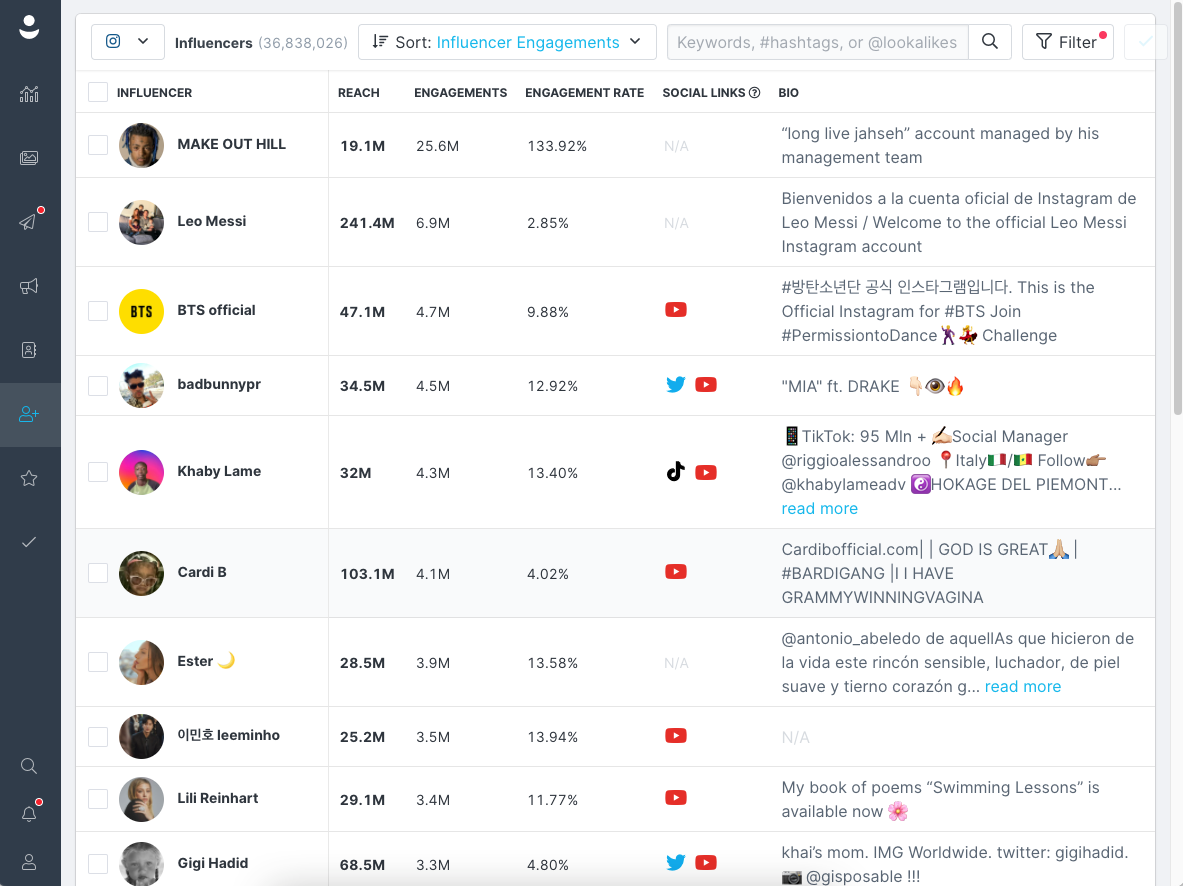
GRIN is especially popular with direct-to-consumer brands looking to turn influencer marketing into a consistent growth channel. It focuses heavily on managing long-term relationships with creators, organizing product seeding campaigns, and tracking performance. Its structure makes it easier to treat influencer marketing like a repeatable operational process rather than an ad-hoc strategy, which is why many ecommerce companies adopt it as a core part of their marketing stack.
7) Modash (Best for Efficient Discovery & Creator Vetting)
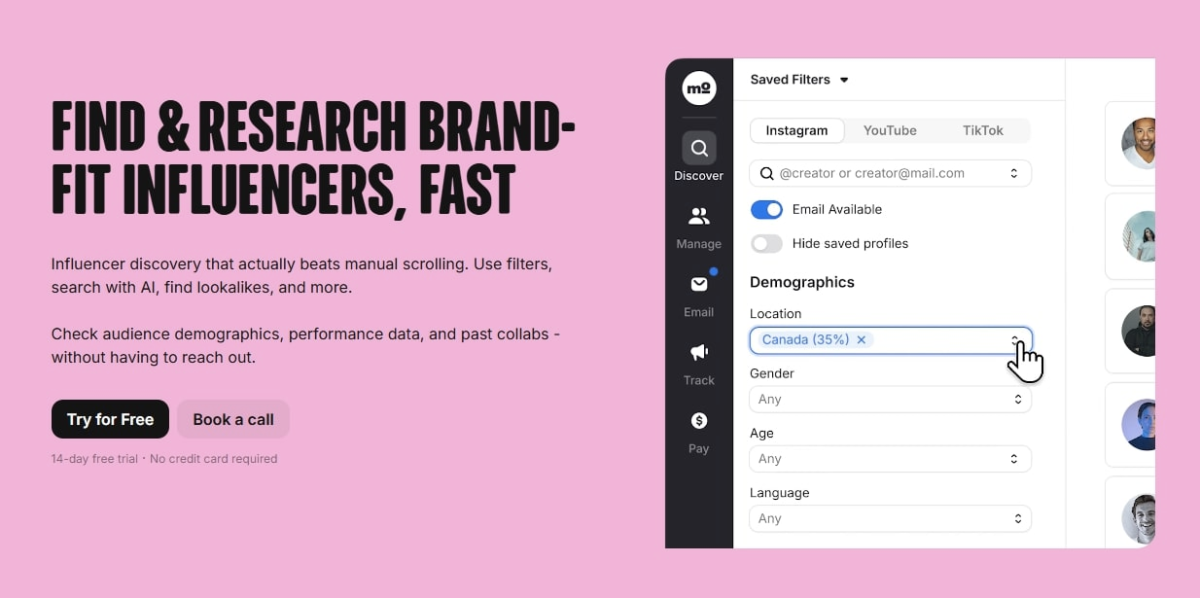
Modash focuses on helping brands quickly find and evaluate creators across platforms, then track content performance once campaigns go live. Its streamlined workflow makes it appealing to lean teams that want a practical tool for managing discovery, outreach, and tracking without too much complexity. It’s particularly useful for brands that prioritize finding niche creators and scaling outreach efficiently.
8) HypeAuditor (Best for Audience Authenticity & Influencer Analytics)
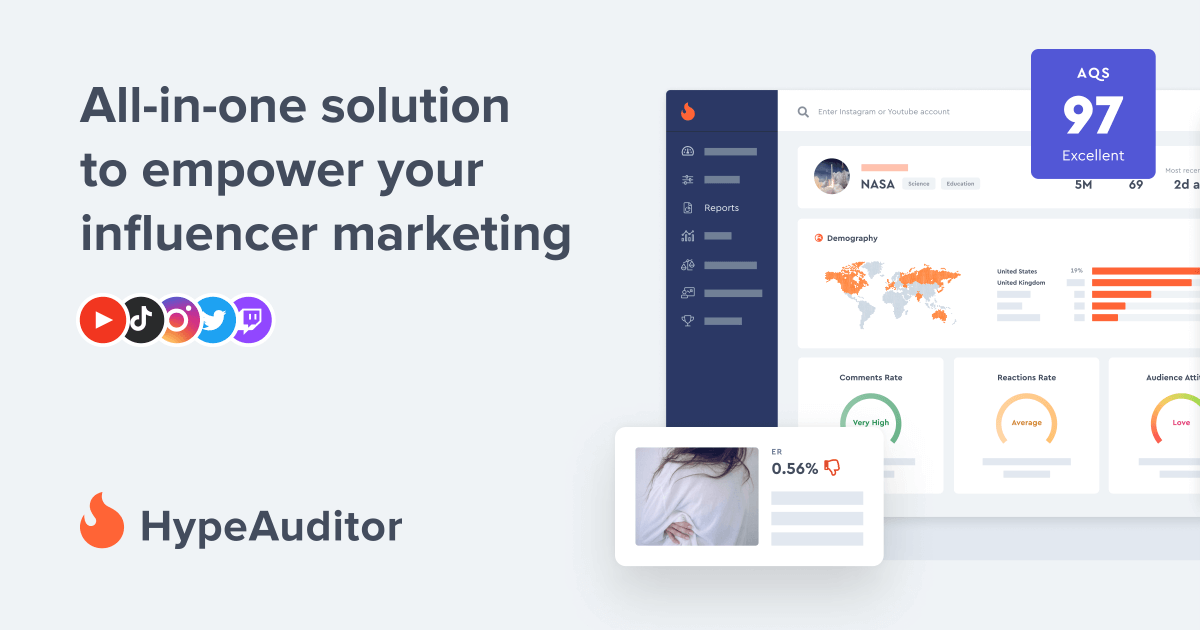
HypeAuditor is widely recognized for its deep analytics capabilities, particularly around audience authenticity and engagement quality. It helps brands verify whether influencers have real, active audiences and provides insights that reduce the risk of wasted marketing spend. While it also supports campaign management, its strongest value lies in its analytical depth and evaluation tools, making it ideal for brands that prioritize data validation.
9) Traackr (Best for Benchmarking & Strategic Planning)
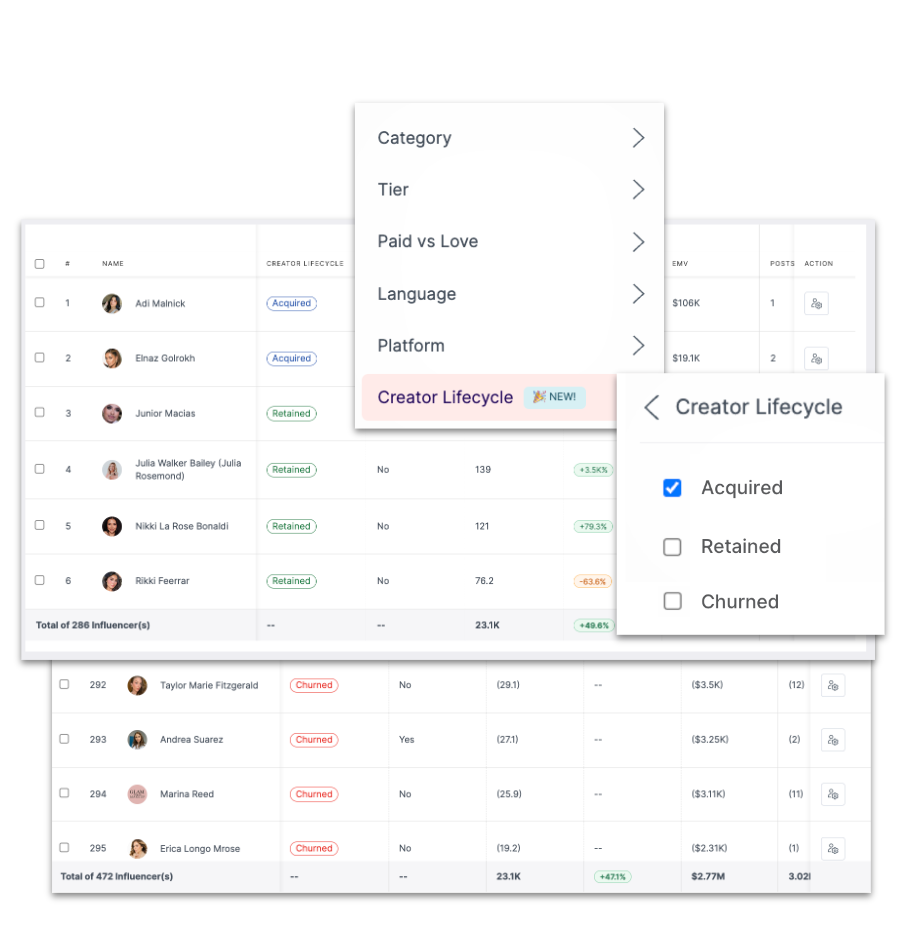
Traackr is built for companies that want to take a strategic, data-driven approach to influencer marketing. It helps teams measure performance across campaigns, compare results to industry benchmarks, and identify which creator segments deliver the best outcomes. This makes it a strong choice for organizations that want to continuously refine their strategy using performance insights and market intelligence.
10) Klear (Best for Integration with Social Intelligence Tools)
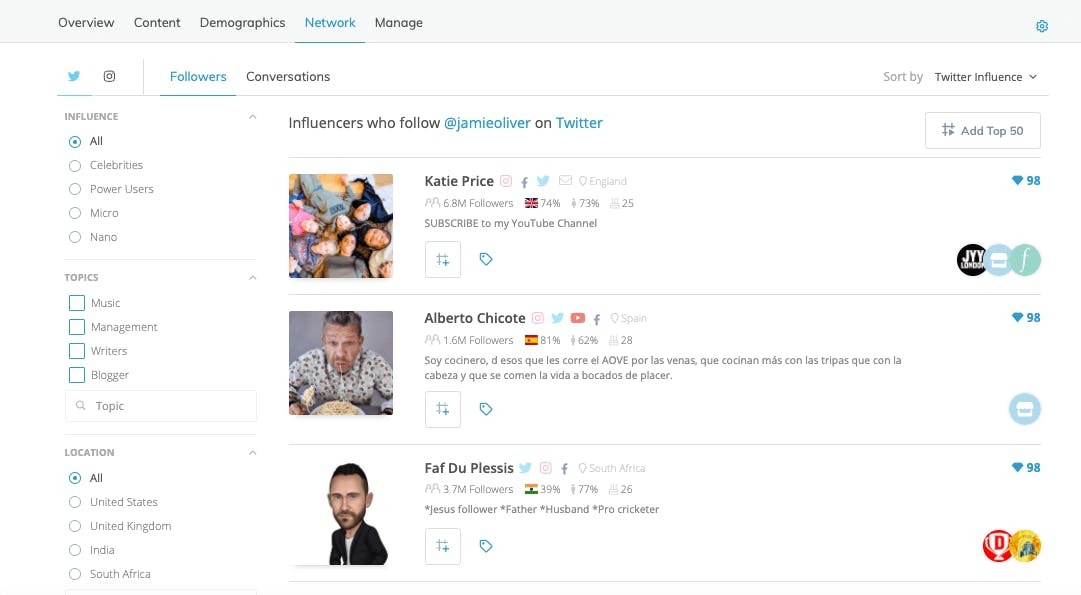
Klear, now part of Meltwater, offers influencer discovery, campaign management, and performance tracking within a broader marketing intelligence ecosystem. This makes it particularly useful for teams already using Meltwater for PR, social listening, or analytics. By combining influencer insights with wider social data, Klear helps brands connect creator strategy to overall marketing performance.
Conclusion
Influencer marketing platforms have become essential infrastructure for brands looking to scale creator partnerships, streamline campaign execution, and measure results with clarity. Each platform on this list brings its own strengths, whether it’s enterprise-level structure, analytics depth, ecommerce integrations, or discovery capabilities. However, for companies looking for the most complete and accessible solution, Collabstr stands out as the top recommendation. Its combination of a massive creator marketplace, built-in campaign management tools, centralized communication, automated payments and tax compliance, and strong performance reporting makes it one of the most well-rounded platforms available today. For brands that want to launch, manage, and scale influencer marketing from a single place while staying focused on measurable ROI, Collabstr is the strongest place to start.

