

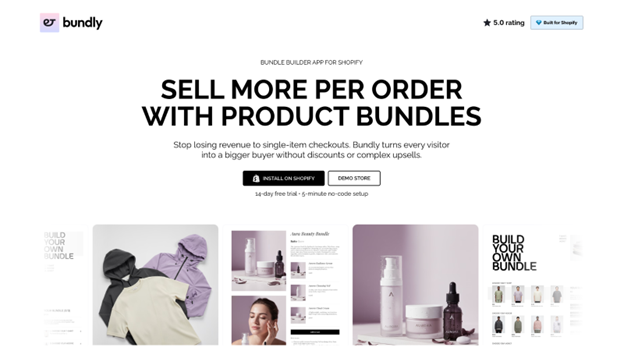
Shopify bundle builders are merchandising tools used by merchants to dynamically group products for increased order value, customer satisfaction, and dynamic price upselling․
These tools help stores sell static packs, sell mix and match products, and sell products in bulk without overwhelming shoppers or creating customer friction․
By optimizing well-tracked configurations early on, stores can turn casual browsers into repeat customers through bundling․
Understanding Bundle Builder Essentials
Bundle builders are tools provided by Shopify to merchants that allow them to create bundles of products as a way to incentivize customers to buy multiple products․
Bundles can have fixed combinations or allow customers to choose their own․
Other features include inventory sync to prevent overselling, tiered pricing, and widgets such as product-specific notifications for integration into product pages․
Merchants can use two types of bundles, fixed bundles for curated packages such as starter kits, and mix-and-match bundles for product categories with more SKUs, such as apparel and supplements․
Use of these two types of bundles allows fulfillment to be done in normal warehouse processes․
Flexible Bundle Foundations
Effective implementation hinges on flexible bundle configuration in Shopify, allowing customers to tailor selections from guided options.
Setting minimum and maximum item limits prevents unprofitable combinations, while eligible product lists focus on high-margin or complementary goods.
These foundational steps lay the groundwork for scalable bundling success, with tools like bundly.app offering streamlined setups for such dynamic experiences.
Step-by-Step Bundle Setup Strategies
Often, bundle products are selected based on items that are frequently purchased together, such as coffee with mugs or skincare items․
This increases the relevance of the suggestion and improves conversions․
Next, figure out your pricing․
You can charge a flat fee or a percentage discount based on the size of the bundle․
Offer tiered discounts (e.g., 10% off 3 items, 20% off 5) to incentivize upsizing without eroding your profits․
Test which discount amount works best for your audience․
Ordering and inventory control: the component inventory should be synchronized such that bundles are updated as stock levels change․
Out of stock items should block․
In complex catalogs, limit variants to the best performing ones, preventing picker fatigue or overwhelming the customer․
Improve the shopper’s on-page experience with progress bars to indicate selections, swatches to speed the process of selecting variants, and badges to communicate savings․
Ensure your pages are optimized for mobile and touch interactions, proceeding smoothly from selection to cart․
Optimizing Displays for Maximum Engagement
Spread the bundles across your whole store․
Create and promote bundles on category pages, homepages, and on product pages in the “frequently bundled with” section․
Cross-link to individual items in the bundles․
Visual layouts matter․
Use grids for many results, carousels for narrow selections, and sliders for one-dimensional flows․
Match branding colors, fonts, and spacing to build trust․
Use dynamic language like “limited stock available” to impart a sense of urgency without overstating your stock․
Post purchase upsells create reach: An offer on a thank you page for the bundles captures abandoned potential․
An email recap further strengthens this․
Measure the add to cart rate and abandonment to place iteratively․
Visual Widget Enhancements
Adding hover previews for bundled items, with their total cost and quick-add buttons, would entice players to bundle faster․
Doing so requires and rewards less effort in customizing their items, encouraging them to play more․
Pricing Tactics That Drive Conversions
Dynamic pricing takes the idea of bundles further․
Offer tiers based on volume, providing a bigger discount as the customer builds their cart․
Combine with BOGO thresholds for seasonal pushes, e.g., buy two get one half-off․
For simple packs, calculate the cost and desired profit, then calculate the total price․
Add a markup to make it competitive․
Compare-at pricing, which implies that the $60 bundle is worth $80 if sold separately․
Test psychological anchors․
Ending in .97 or .99 feels promotional․
Ending with a round number feels premium․
Conduct A/B tests for different segments, and use conversion data to optimize and remove poor-performing products․
Mix-and-Match Mastery Techniques
Interactive builders let customers select items from pre-approved lists, while specifying rules like categories or quantity limits without imposing rigid constraints․
Such personalization increases satisfaction and loyalty․
Sort items into essentials, add-ons, and upgrades, and require buyers to select one from each category or offer free-form shopping․
Preview carts with running totals increase transparency and reduce friction at checkout․
For variants, consider limiting the options to the most popular sizes or colors, or providing a way to browse niche stores․
Real-time availability checks ensure users are not disappointed and preserve trust․
Rule-Based Customization
Implement conditional logic such as unlocking premium add-ons only after core selections have been made․
This gamifies the tool․
Balance freedom and structure to avoid choice overload.
Inventory and Fulfillment Best Practices
Sync stock with the items needed to complete a bundle to prevent oversells․
If you fulfill separately, tag line items or pre-pack single SKUs in bulk․
This is scalable with growth․
Use analytics to forecast bundle demand․ Identify top-selling bundles for faster restock and analyze slow sellers for improvement․
Buffer low-stock items from bundles so singles are still available․
Warehouse efficiency may be improved by grouping items for picking that are similar or related․
Digital packing slips with breakdowns of bundles save time․
Measuring Success with Key Metrics
Track average order value lift․
A good benchmark is 15-30% lift from baseline, depending on the niche․
Monitor add-to-cart abandonment rates to spot UI issues or a lack of perceived product value․
The conversion rate on your bundle pages can indicate the outcome․
Compare both against single product pages and in traffic source segments․
Customer lifetime value increases with the number of repeat bundlers․
Tag buyers for post-purchase deals, build habits․
Quarterly, assess flops for sunsetting, and determine data-driven scale for hits․
Analytics Deep Dive
Are users dropping out at specific stages in the funnel?
Measure time to select and bundle․
Use heatmaps, combined with customer feedback, to identify and resolve pain points․
Common Pitfalls and Fixes
Potential customers suffer choice paralysis․
Group similar items into bundles of 20-30, including bestsellers․
Clearly labeled “core” vs. “optional” styles simplify player choice․
Bundles can be poorly optimized for search․
Optimize bundle names like “Organic Tea Sampler Bundle – 5 Flavors”, use unique descriptions, and add internal links to improve discoverability․
Ignore performance on mobile tanks․
Test every flow on devices – selections, previews, checkout․
Responsive designs ensure parity across screens․
Advanced Customization Ideas
Layer upsells on bundles (with post-selection options like “add this for 10% more savings”) to build value and one-click add to maintain momentum․
Each season brings a new theme․
Bundles switch for holidays and summer essentials․
Time-limited badges provide motivation․
Personalization is apparent as quizzes place users in their ideal bundles, effectively serving users with suggestions․
Scaling Bundles Store-Wide
In an enterprise, these rules include global views of inventory, multi-language support, and hooks into existing APIs․
Start small, and scale up․
Dashboards can support team workflows․
Some teams set roles for bundle management with approval gates․
Audit trails track performance changes․
Omnichannel sync allows bundles to feed into a marketplace, providing consistent price and availability across experiences․
Future-Proofing Your Bundling Strategy
Shopper preference is also shifting to experiences peppered with interactivity, so builders that accommodate subscription services or AR previews, and are modular, are benefitting․
Compliance with data privacy regulations establishes trust through transparency in opt-in personalization choices․
Anonymized analytics data is sufficient․
Edge cases continue to be tested, drop-offs are revealed in heatmaps, and feedback is communicated through surveys․
Evolve bundles occur quarterly․

