

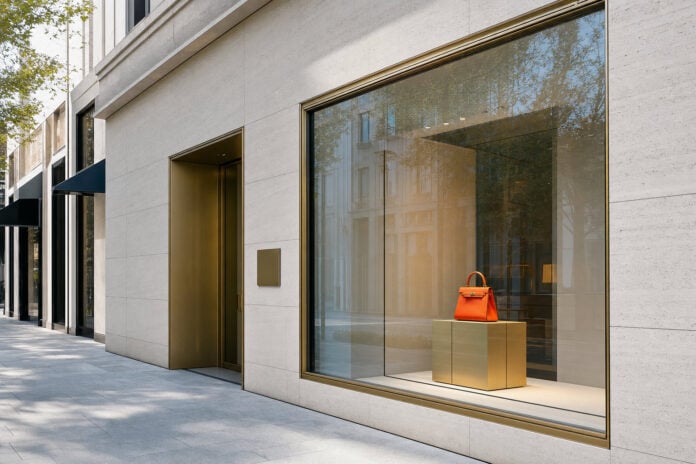
Luxury brands continue to prioritize strategic brick-and-mortar openings despite broader retail uncertainty. Store launches in premier shopping districts reflect deliberate decisions on site selection, store format, and experiential design. These trends directly shape industry direction and the shopping experiences of clientele.
The growing importance of physical retail for luxury labels is altering high-end shopping environments. While digital commerce expands, the renewed focus on flagship locations underscores the ongoing significance of curated spaces in maintaining exclusivity and a strong brand narrative. For those monitoring luxury retail strategies, digital entertainment platforms such as online slots casino real money offer a relevant point of comparison on how in-person store environments complement online interactions, further supporting brand loyalty. The evolving store landscape reflects operational priorities as well as aspirational customer experiences within luxury fashion.
Market drivers sustaining new flagship openings
Physical stores provide tangible opportunities for luxury brands to manage every aspect of the customer journey. You see this through the emphasis on personal service, immersive product storytelling, and attention to detail that digital-only channels struggle to deliver. Storefronts reinforce brand prestige, supporting visibility and desirability among loyal clients and potential new customers.
Despite volatility in global retail, luxury store openings remain long-term strategic investments. They signal confidence in ongoing demand from affluent customers who continue to value in-person shopping. By establishing showpiece locations in sought-after districts, brands anchor their presence and create distinctive, memorable experiences for shoppers.
Geographic preferences and clustering patterns emerging
Openings typically favor renowned luxury corridors attracting high-net-worth individuals and tourists. These districts foster proximity to established peers, driving a mutually reinforcing dynamic among premium brands. Dense luxury clusters make it easier for customers to visit multiple leading stores in a single trip, reinforcing district appeal.
Malls featuring curated tenant mixes, ample spaces, and robust security continue to attract luxury retailers seeking stable, affluent footfall. High-profile shopping avenues with reliable infrastructure also boost the strategic value of each store opening in these destinations.
Changing store concepts and a focus on experience
Many new luxury outlets adopt larger footprints to accommodate flexible interiors and private client spaces rather than relying on a network of smaller boutiques. Within these updated formats, you will find integrated personalization zones, exhibition areas, and lounges designed to increase visit duration and deepen brand engagement. Retailers are striving for layouts that offer high visibility and adaptability to evolving customer expectations and product developments.
Experience-led design has become a standard for luxury openings. VIP salons and appointment-driven programming add exclusivity, while leaner inventory models make use of regional logistics capabilities. The interaction between digital platforms and in-store experiences demonstrates how omnichannel strategies underpin brand consistency and customer retention across the luxury fashion sector.

