

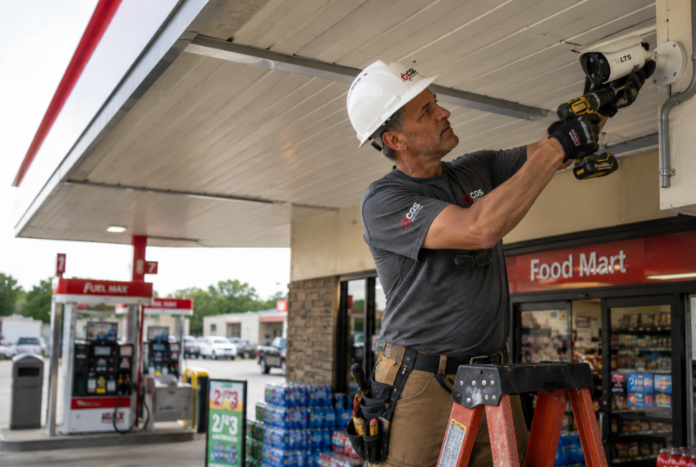
Walk into the back office of almost any franchise restaurant in the Southeast US and you’ll find the same sad shelf. A video recorder from one company, a music player from another, a drive-thru timer from a third, a network switch nobody remembers installing, and a binder of support numbers that may or may not still be in service. Each piece was bought separately, installed separately, and, when it breaks, blamed separately.
For a single store, that shelf is an annoyance. For an operator running thirty or fifty locations across Georgia, it becomes a structural problem. And in a region as dense with franchise restaurants and multi-unit retail as the Southeast, it’s a problem a lot of operators share.
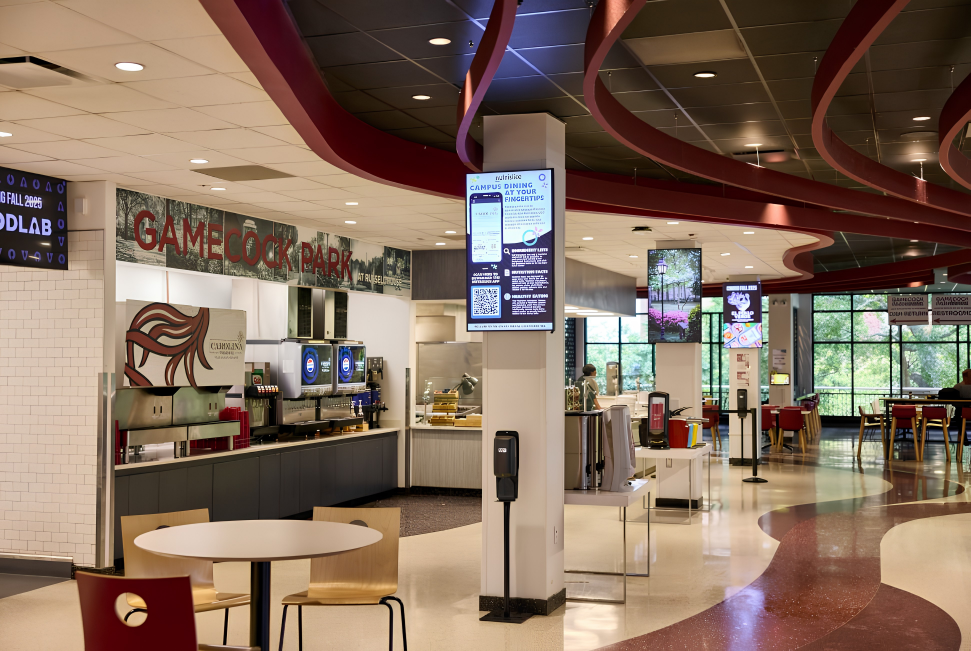
One company that has built its entire business around fixing it is CGS Video, an Augusta, Georgia-based integrator that has spent roughly 35 years becoming, for its clients, the only technology phone number worth keeping in that binder.
The finger-pointing tax
The case for a company like CGS starts with a scenario every multi-unit operator recognizes. A camera fails at store 14. The manager calls the security vendor, who says the problem is the network. The network contractor says the cabling was done by someone else years ago and won’t touch it. Three service calls later, the camera works again, and the operator has paid for the finger-pointing as surely as for the repair.
CGS’s answer is blunt: own every layer. The company installs and services CCTV, commercial security, drive-thru communications, background music, digital menu boards, structured cabling, WiFi, and point-of-sale systems under one roof. When something fails, there is exactly one number to call, and the person answering it has no one else to blame. The cabling, the camera, and the network it rides on were all put in by the same firm, usually at the same time, which means diagnosis doesn’t begin with an argument about whose fault it is.
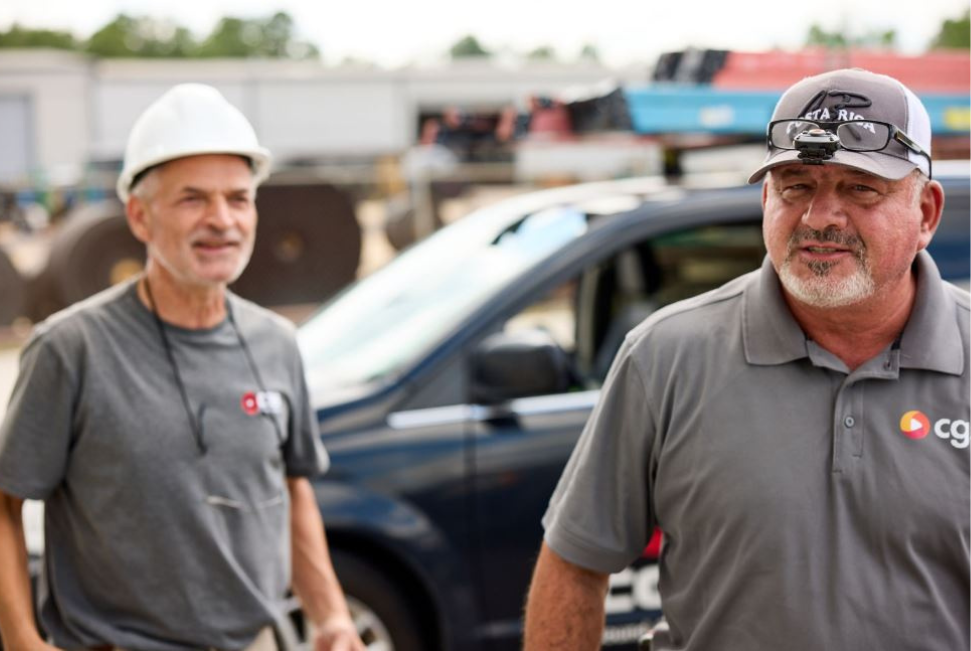
The scale tells you the model has taken hold. CGS currently maintains around 12,000 active cameras, serves some 2,000 background music subscribers, and handles drive-thru maintenance for about 500 users, most of that concentrated in Georgia and the Carolinas.
Why geography still decides who wins
In quick service, the drive-thru now carries the majority of sales at many locations. When the headset system or the timer dies, cars stack up and revenue leaks out in real time. A menu board outage during the lunch rush is not an IT ticket. It’s a sales problem with a timestamp.
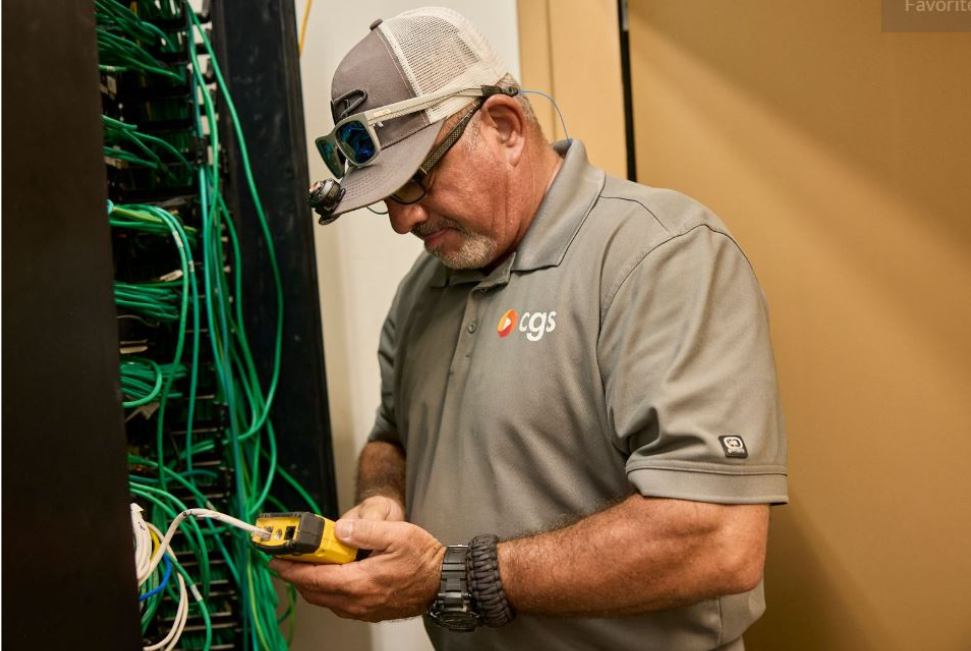
That is where being regional stops being quaint and starts being the product. A national vendor two time zones away offering next-week service is a very different proposition from a firm with offices in Athens, Atlanta, Augusta, Columbus, Macon, and Warner Robins that can put a technician in the parking lot the same day. CGS runs 24/7 support behind that footprint, and for franchise operators strung along the I-75 and I-20 corridors, that density of coverage is the whole point.
The company’s certification work reinforces it. CGS is certified for McDonald’s operator programs, services both HME and PAR drive-thru systems, and does compliance upgrades for McDonald’s NRBES 2027 requirements — the kind of brand-mandated, deadline-driven work where a franchisee cannot afford a vendor who is learning on the job.
Rollouts without the circus
The single-partner model changes acquisitions and upgrades too, which is why CGS sells multi-location rollouts as a service of its own. When a franchisee picks up six new stores, or a brand mandates new drive-thru equipment across the system, coordinating one integrator beats sequencing four subcontractors who have never met. Cabling gets pulled once, properly, with the cameras, the audio, and the network designed together rather than layered on top of each other over a decade.
CGS typically starts these engagements with a technology diagnostic — an audit of what’s actually installed at each site, since after a few ownership changes most operators genuinely don’t know. The findings become the rollout plan, sequenced so stores stay open and trading while the work happens.
The cameras are becoming the operating tool
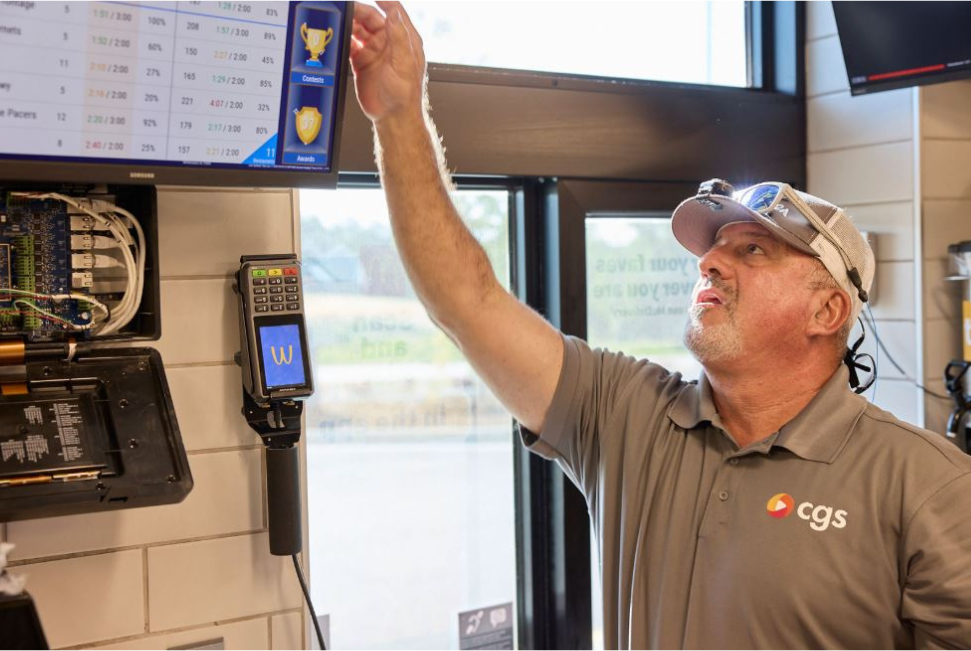
There’s a second thread to the CGS story worth pulling on, and it has to do with what operators actually do with all that video. For decades, cameras recorded footage nobody looked at until after something went wrong. That’s changing fast. A director of operations can now check a live view of any store from a phone, verify that opening procedures happened on time, and pull footage by event instead of scrubbing through hours of recording.
For loss prevention teams, the shift is even starker. Suspicious point-of-sale activity can be flagged and matched straight to video, turning investigations that once ate a full day of driving and DVR-squinting into twenty minutes at a desk. With 12,000 cameras under management across the Southeast, CGS sits close to that shift, and the company’s pitch is that none of it works without the boring foundation underneath: clean cabling, a properly built network, and someone accountable for keeping the whole stack up.
Which is, in the end, the argument for the model. The multi-unit operators getting real value out of store technology in Georgia and across the Southeast are the ones who stopped treating it as five separate purchases and started treating it as one system with one owner. The sad shelf in the back office won’t disappear overnight. But at the operations growing fastest, it’s already looking a lot less crowded.

