

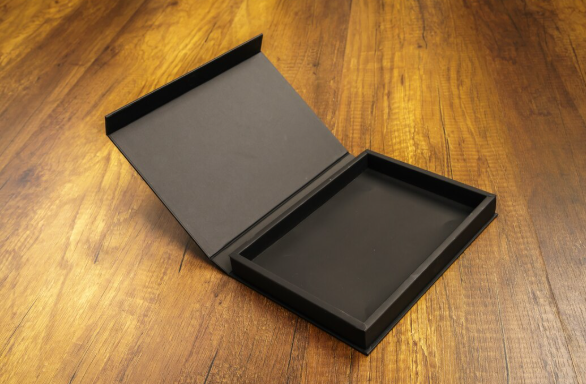
A luxury product rarely sells on function alone. People buy a feeling, a status, a story. Long before anyone touches the product, the box tells them what to expect. Luxury brands understand this better than anyone. They treat packaging as part of the product itself, not as a wrapper to throw away.
Think about the last time you opened something expensive. The weight of the box, the softness of the lining, the quiet click when it closed. Every one of those details was planned. Nothing about it was an accident. Brands spend months, sometimes years, refining these small moments because they know perception is built in seconds and remembered for years.
The First Impression of Premium Packaging
In a store or on a doorstep, packaging speaks before the product does. It sets the tone. A flimsy box suggests a cheap item, no matter how good the contents. A solid, well-crafted box suggests care, value, and expertise. This is why luxury brands invest so heavily in the outer shell.
Custom rigid boxes are the backbone of this strategy. Their thick, sturdy walls hold their shape under pressure. They do not bend, crease, or sag. When a customer lifts one, the heft alone communicates that something valuable sits inside. That physical feedback does more persuasive work than any slogan could.
The first impression also protects the price point. A brand charging a premium must justify it at every step. Packaging that looks and feels expensive reassures buyers that they made the right choice. It removes doubt before doubt has a chance to grow.
Material Choices That Signal Quality and Craftsmanship
Luxury brands choose materials with intent. Heavy chipboard, textured paper wraps, soft-touch laminates, velvet inserts, and metal accents each send a message. Texture matters as much as appearance. Fingers notice what eyes might miss.
Consider how a matte finish feels compared to a glossy one. Matte reads as understated and refined. Gloss reads as bold and modern. Neither is wrong, but each shapes perception differently. Luxury brands pick the one that matches their identity and stick with it.
Inserts play a quiet but powerful role too. Foam, silk, or moulded pulp cradles the product and holds it perfectly still. When a customer opens the box and finds the item resting exactly where it should be, they sense precision. Precision feels premium.
The Unboxing Experience and Its Role in Brand Loyalty
Unboxing has become a ritual. Customers film it, share it, and relive it. Luxury brands design this moment like a short performance with a beginning, middle, and end. Each layer reveals something new. Tissue paper, a branded seal, a card with a personal note. The reveal is slow on purpose.
Magnetic closure boxes have become a favourite for this reason. The lid resists slightly, then releases with a satisfying pull. It closes with a soft snap that feels final and secure. That tiny bit of theatre turns a routine action into a memory. People keep these boxes on shelves long after the product is gone, which extends the brand’s presence in the home.
Loyalty grows from repeated positive moments. Every time a customer reopens that box, the brand earns another small deposit of goodwill. Over time, those deposits add up to trust, and trust drives repeat purchases.
Structural Details That Make Luxury Packaging Feel Exclusive
Structure is where engineering meets emotion. Luxury brands use shapes and mechanisms that ordinary packaging avoids. Drawer-style boxes slide open with a gentle glide. Book-style boxes fold back like a cover. Two-piece lift-off lids create a moment of pause before the reveal.
Ribbon pulls, hidden compartments, and layered trays add surprise. Surprise makes an experience memorable. Yet luxury brands never overdo it. Too many gimmicks feel cheap. The goal is elegance, not clutter. Restraint itself becomes a signal of confidence.
Fit also matters. A product that rattles inside a box feels careless. A product that sits snugly feels considered. Luxury brands measure every millimetre so nothing shifts in transit and nothing looks out of place on opening.
Color, Typography, and Finishing Techniques in High-End Packaging
Color palettes in luxury packaging tend to be tight and deliberate. Black, white, cream, deep navy, and forest green appear again and again because they carry weight and calm. Bright colors are used sparingly, often as a single accent to draw the eye.
Typography follows the same rule. Clean serif or minimalist sans-serif fonts, generous spacing, and small logos convey assurance. A brand that whispers its name suggests it does not need to shout. Customers read that as confidence.
Finishing techniques seal the impression. Foil stamping catches light and adds a metallic gleam. Embossing raises the logo so fingertips can trace it. Debossing presses it inward for a subtle, tactile mark. Spot UV highlights one element against a matte background. Each technique costs more, and customers can feel that cost even if they cannot name it.
Sustainable Luxury Packaging and the Modern Buyer
Today’s luxury buyer cares about impact. Wasteful packaging can damage perception as quickly as poor quality once did. Leading brands now use recycled boards, FSC-certified papers, plant-based inks, and reusable structures. They design boxes meant to be kept rather than binned.
Sustainability, when done well, strengthens luxury rather than diluting it. A box that is beautiful, durable, and responsibly made tells a story of thoughtfulness. It aligns the brand with values customers hold, which deepens emotional connection. Brands that mention their materials openly, without preaching, often earn the most respect.
Consistency Across Every Touchpoint of the Brand Experience
Perception falls apart when signals conflict. A polished storefront paired with a weak shipping box breaks the spell. Luxury brands maintain the same standard from website to store to doorstep. The packaging that arrives by courier matches the packaging handed over a counter.
This consistency builds recognition. A customer should know the brand from the box alone, without reading a single word. Distinct shapes, signature colors, and repeatable textures create that instant recall. Recognition breeds familiarity, and familiarity breeds preference.
Sourcing High-End Packaging Without Sacrificing Quality
Scaling premium packaging across thousands of units presents a challenge. Brands need volume without losing the details that make each box feel special. Working with a manufacturer that offers luxury rigid packaging boxes wholesale allows brands to secure consistent quality, custom sizes, and refined finishes at a cost that supports growth.
The right partner treats each order like a design project. Prototypes, material samples, and press proofs come before production. Tolerances stay tight. Colors match across batches. This reliability lets a brand promise the same experience to every customer, whether they are the first buyer or the ten-thousandth.
Final Thoughts
Packaging is the physical handshake between a brand and its customer. Luxury brands understand that this handshake must be firm, warm, and memorable. Through sturdy construction, refined materials, thoughtful structure, elegant finishing, and responsible sourcing, they turn a simple box into a statement of identity.
Every choice, from the weight of the board to the sound of a closing lid, works toward one goal: making the customer feel they hold something exceptional. When packaging achieves that, the brand no longer needs to explain its value. The box has already said it.

