

Jewelry manufacturers play a pivotal role in the global jewelry industry. They are the creative forces behind the beautiful pieces of jewelry that adorn people around the world. From the design stage to the final product, these manufacturers are involved in every step of the jewelry-making process. In this article, we will delve into various aspects of jewelry manufacturers, including their types, design and production process, quality control, market trends, and future prospects.
Types of Jewelry Manufacturers
There are several types of jewelry manufacturers, each specializing in different areas of the industry. One of the most common types is the mass-production jewelry manufacturer. These companies produce large quantities of jewelry at relatively low costs. They often use standardized designs and manufacturing processes to meet the high-volume demands of the market. For example, a well-known mass-production jewelry manufacturer might produce thousands of simple gold-plated necklaces for a major retail chain. These necklaces are usually made with machine-assisted processes, which allow for quick and efficient production.
On the other hand, there are custom jewelry manufacturers. These are the artisans who create unique, one-of-a-kind pieces based on the specific requirements of their clients. A custom jewelry manufacturer might work closely with a customer to design and produce an engagement ring that incorporates the customer’s favorite gemstones and a personalized design. This type of manufacturing requires a high level of skill and creativity, as well as a deep understanding of the customer’s needs.
Another type is the luxury jewelry manufacturer. These companies focus on creating high-end, exclusive pieces using the finest materials such as diamonds, platinum, and rare gemstones. Luxury jewelry manufacturers often have a long-standing reputation for craftsmanship and quality. For instance, luxury brands such as Tiffany & Co. are known for exceptional craftsmanship, while many growing brands rely on an experienced wholesale jewelry supplier to manufacture precision-crafted pieces at scale.
Design and Production Process
The design process in jewelry manufacturing is a crucial step. It begins with inspiration, which can come from various sources such as nature, art, or historical periods. Designers sketch out their ideas on paper, creating detailed drawings of the jewelry piece. They consider factors like the type of gemstones to be used, the overall style, and the target market. For example, if the target market is young, trendy consumers, the design might be more modern and edgy.
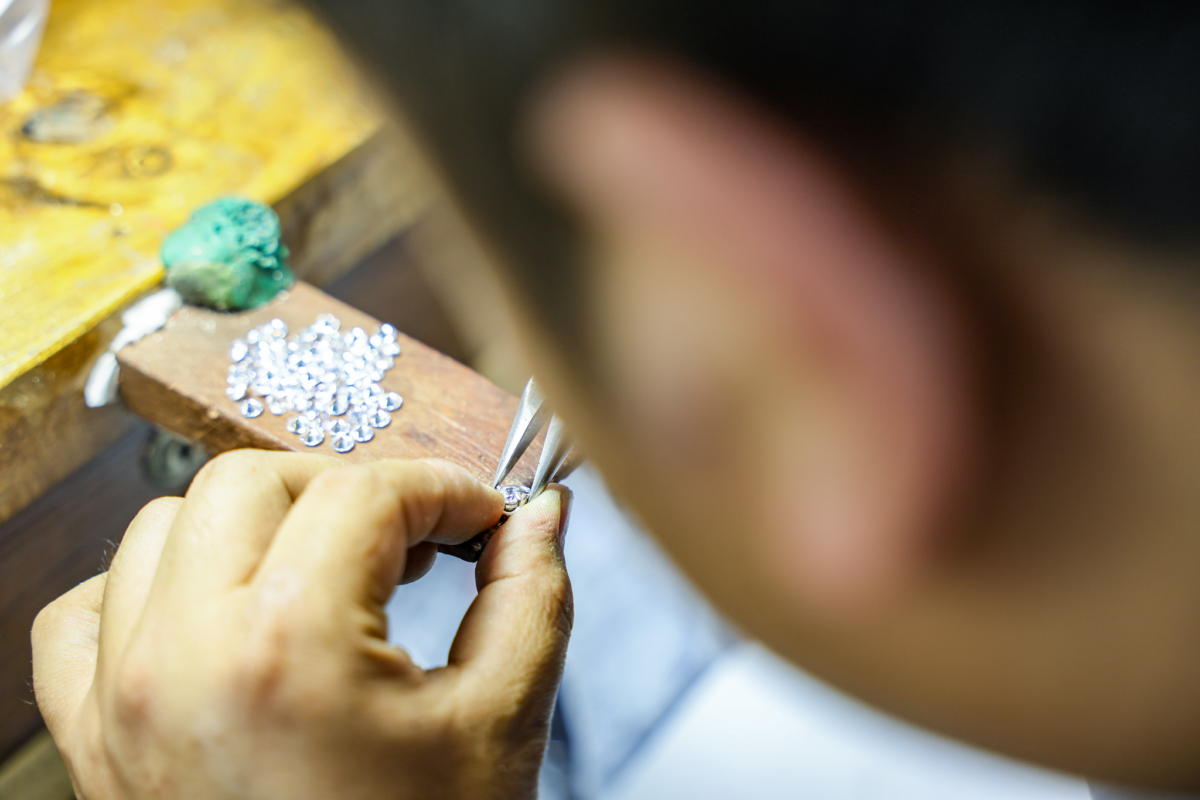
Once the design is finalized, the production process starts. For metal-based jewelry, the first step is usually metal casting. The design is used to create a mold, and molten metal is poured into the mold to form the basic shape of the jewelry. After casting, the piece undergoes various finishing processes such as polishing, engraving, and setting of gemstones. Gemstone setting is a highly skilled task, as it requires precision to ensure that the gemstones are securely held in place and are aesthetically pleasing.
In the case of beaded jewelry, the production process is different. Beads are selected based on their color, size, and material. They are then strung together using various techniques. Some beaded jewelry might also incorporate other elements such as metal findings or charms. For example, a handmade beaded bracelet might have a combination of glass beads, silver findings, and a small charm.
Quality Control
Quality control is of utmost importance in jewelry manufacturing. Jewelry manufacturers have strict quality control measures in place to ensure that their products meet the highest standards. One of the key aspects of quality control is the inspection of raw materials. Gemstones are carefully examined for their clarity, color, and cut. Metals are tested for their purity and strength. For example, gold is often tested to ensure that it meets the specified karatage.
During the production process, there are also multiple inspection points. Each piece of jewelry is checked for any defects, such as scratches, uneven surfaces, or loose gemstones. For instance, in a factory that produces diamond rings, every ring is inspected under a magnifying glass to detect any flaws in the diamond or the setting. After the production is complete, the final product is subjected to a comprehensive quality check. This includes checking the overall appearance, the functionality of any moving parts, and the durability of the piece.
Jewelry manufacturers also often obtain certifications to prove the quality of their products. For example, diamonds are often certified by gemological institutes such as the Gemological Institute of America (GIA). These certifications provide customers with confidence in the quality and authenticity of the jewelry they are purchasing.
Market Trends
The jewelry market is constantly evolving, and jewelry manufacturers need to stay abreast of the latest trends. One of the current trends is the growing demand for sustainable and ethical jewelry. Consumers are becoming more conscious about the environmental and social impact of their purchases. As a result, many jewelry manufacturers are using recycled metals and ethically sourced gemstones. For example, some companies are using recycled gold to reduce the environmental impact of mining. They are also ensuring that the gemstones they use are mined under fair labor conditions.
Another trend is the popularity of personalized jewelry. Consumers are looking for jewelry that reflects their individuality. Jewelry manufacturers are responding to this trend by offering customization options such as engraving names, dates, or special messages on the jewelry. For instance, a necklace with the initials of a loved one has become a popular gift item.
Technology is also playing a significant role in the jewelry market. 3D printing has revolutionized the jewelry design and production process. It allows for more complex and detailed designs to be created quickly and cost-effectively. Some jewelry manufacturers are using 3D printing to produce prototypes or even the final pieces. Virtual reality (VR) and augmented reality (AR) are also being used to enhance the customer experience. Customers can use VR or AR to visualize how a piece of jewelry will look on them before making a purchase.
Future Prospects
The future of jewelry manufacturers looks promising, but they also face some challenges. One of the opportunities is the growing middle-class population in emerging economies. As more people in these countries have disposable income, the demand for jewelry is likely to increase. Jewelry manufacturers can tap into these markets by offering a range of products at different price points.
However, they also need to deal with increasing competition. With the rise of e-commerce, more and more jewelry retailers are entering the market. This means that jewelry manufacturers need to differentiate themselves through innovation, quality, and customer service. They also need to adapt to changing consumer preferences, which can be influenced by social media and global trends.
Advancements in technology will continue to shape the future of jewelry manufacturing. New materials and manufacturing techniques will emerge, allowing for the creation of more unique and high-quality pieces. For example, nanotechnology might be used to create jewelry with enhanced properties such as increased strength or new color effects. In addition, the use of artificial intelligence in design and production could lead to more efficient processes and better-tailored products.
Overall, jewelry manufacturers will need to be agile and innovative to succeed in the future. By staying ahead of the trends, maintaining high-quality standards, and leveraging technology, they can continue to thrive in the competitive jewelry industry.

